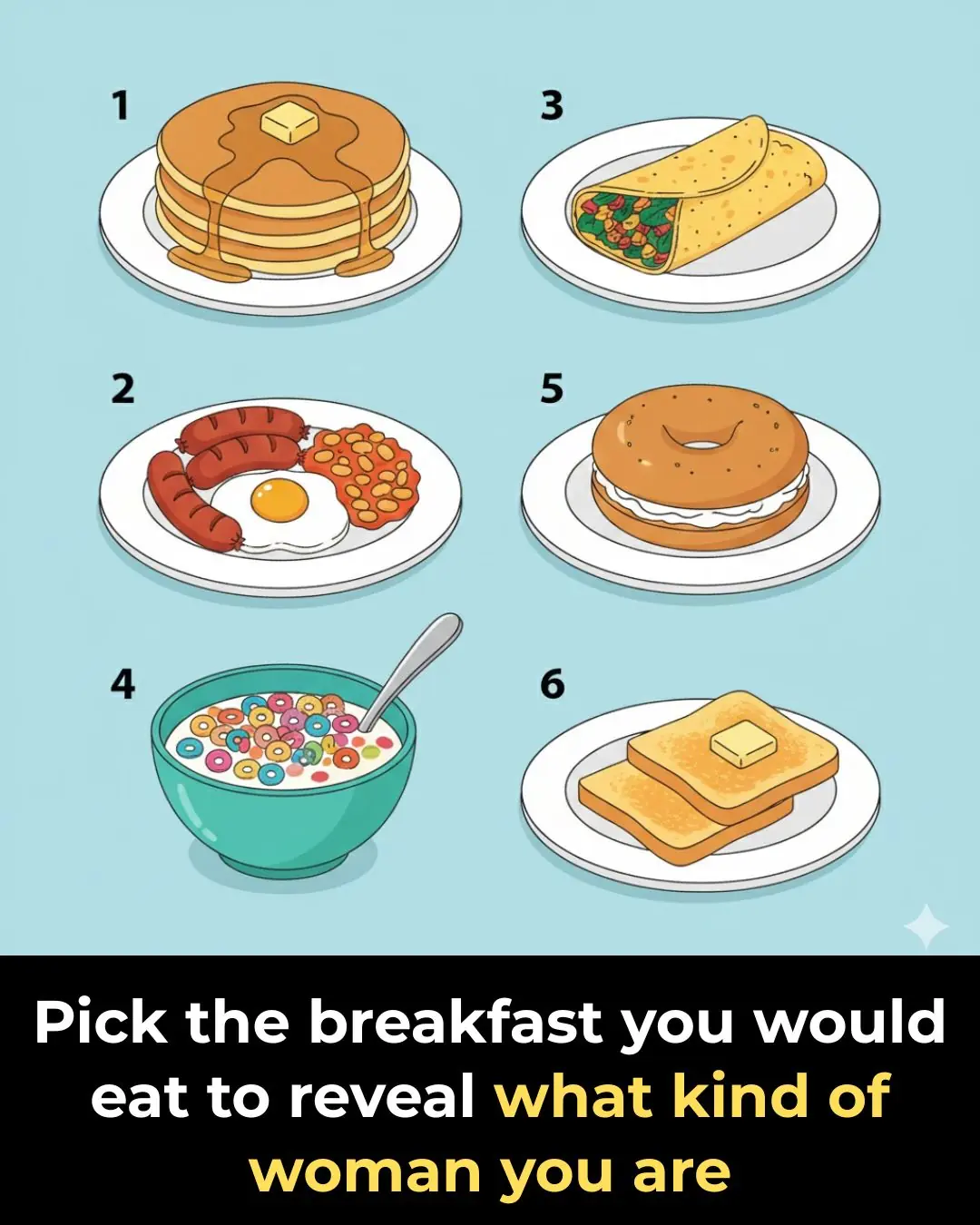
Pick the Breakfast You’d Eat
Facts 07/12/2025 22:32
If you’ve ever looked up from your phone or dinner plate and found your dog staring at you like they’re reading your soul, you’re not alone. Many dog owners experience these long, expressive gazes and wonder what’s happening in that furry little mind.

While the stare can feel intense or mysterious, experts say it’s actually one of the most important ways dogs communicate with humans. The meaning behind the look depends on the moment, the dog’s body language, and what you’re doing. Here are the most common — and most surprising — reasons your dog might be locking eyes with you.
Sometimes your dog’s deep, soft gaze is simply an expression of affection. Studies show that when dogs make gentle eye contact with their owners, both species experience a rise in oxytocin — the hormone associated with bonding, trust, and emotional attachment (Source: National Geographic, The New York Times).
Researchers have noted that this oxytocin “feedback loop” is similar to what happens between a mother and her baby. So when your pup holds your gaze, they aren’t just staring — they’re strengthening the emotional connection.
In short:
Your dog’s soft stare = “I feel safe with you — you’re my person.”
Dogs are impressively good at using eye contact to get what they want. That long, meaningful stare can translate to:
“Is it time for a walk yet?”
“Are you going to share that sandwich?”
“Dinner was supposed to be 10 minutes ago.”
Animal behaviorists say dogs quickly learn that humans respond strongly to eye contact, especially when paired with cute tilts, tail wags, or glances toward what they want (Source: American Kennel Club, NPR).
If they’re looking back and forth between you and an object — like the door, the treat jar, or a favorite toy — they’re likely trying to communicate a clear request.
Not every stare is affectionate. Sometimes, a hard, stiff, unblinking look — especially when a dog is near their food, toys, or resting spot — can indicate resource guarding.
This behavior often comes with other warning signs like:
a rigid body
lowered head
raised hackles
growling or lip lifting
Experts say this kind of stare expresses fear or insecurity, not dominance, and should be handled calmly and safely (Source: RSPCA, BBC Science).
If this happens often, working with a certified behaviorist can help reduce tension and prevent escalation.
When senior dogs stare blankly at you — or at walls, corners, or empty spaces — it may not be communication at all. It can be an early symptom of canine cognitive dysfunction (CCD), which is similar to dementia in humans (Source: Scientific American, USA Today).
Other signs include:
Disorientation or wandering
Forgetting routines or potty training
Nighttime restlessness
Sudden anxiety or personality changes
Veterinarians recommend early evaluation if you notice these symptoms, as certain treatments or lifestyle adjustments can help slow decline.
A dog’s stare carries many possible meanings, and understanding it depends on context:
Soft eyes + relaxed body: affection, trust, bonding
Alert eyes + shifting behavior: request for attention or a need
Stiff posture + hard stare: resource guarding or discomfort
Blank stare + senior dog: possible cognitive issues requiring a vet visit
What’s consistent is this: your dog’s stare is always an attempt to connect. Whether they’re expressing love, curiosity, or concern, eye contact is one of the clearest windows into your dog’s emotional world.