Finally! People Are Getting Fined for Loud Speakerphone Calls in Public
News 16/12/2025 22:11
There was a widely circulated report in Đời sống & Pháp luật on January 12, 2025 about a 26-year-old woman in Hefei, China, who became seriously ill and later died after eating spicy hot pot with friends. The article suggested that eating certain combinations of foods and drinks together during hot pot may be dangerous.
Below is a responsible English summary of what happened, what doctors actually said, and what you should be aware of — including what is and isn’t scientifically supported.
A 26-year-old woman ate spicy hot pot late at night with friends. When she got home, she developed sore throat and irritation which she initially attributed to the spiciness of the food. The next day her symptoms worsened — she had trouble swallowing, difficulty breathing, and increasing discomfort.
By the time she reached the hospital’s internal medicine department, her condition was severe and she needed assistance standing. Shortly after an ear, nose, and throat (ENT) specialist was called, she suddenly had trouble breathing and collapsed. Medical staff performed resuscitation, but she tragically did not survive.
According to the report, doctors believed she had developed acute epiglottitis — a rapid inflammation and swelling of the epiglottis — which can block the airway. This condition can progress so quickly that even placing a breathing tube (intubation) can be difficult or ineffective in severe cases.
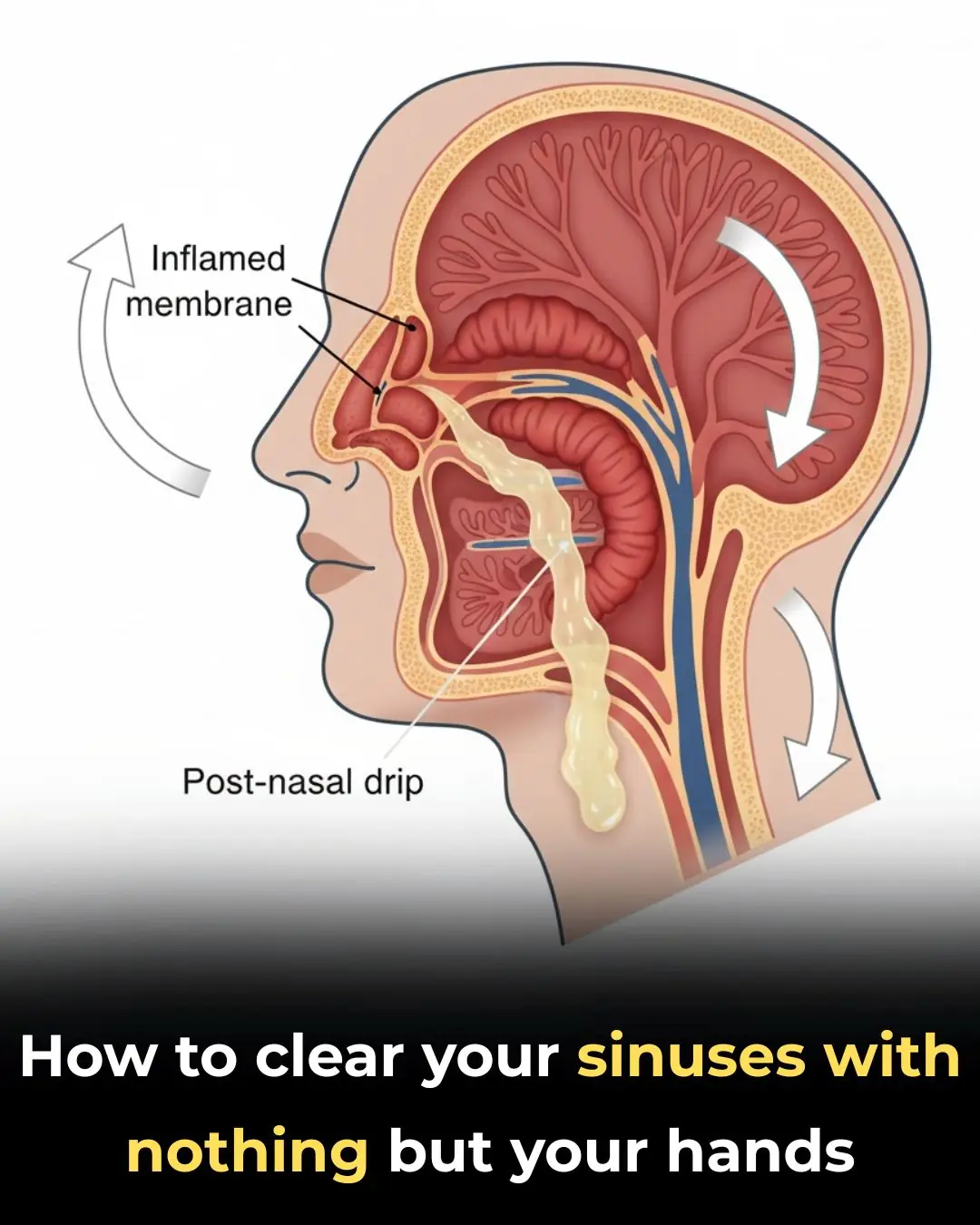
The epiglottis is a small flap of cartilage at the back of the throat that covers the airway during swallowing so food doesn’t enter the lungs. When it becomes inflamed and swollen:
It can block the airway, making breathing difficult or impossible.
Symptoms can escalate very quickly over hours, not days.
Emergency airway support (e.g., intubation, tracheostomy) is often needed.
Acute epiglottitis is a medical emergency and can be caused by infections (bacterial or viral), irritation, or trauma. In adults, causes include bacterial infection, smoking, or chemical/thermal injury. It is not caused simply by eating spicy food.
Important: Spicy food can irritate the throat, but spice alone does not cause epiglottitis. Severe inflammation of the epiglottis is usually due to infection or significant irritation, and requires urgent medical care.
In the reported case:
✔ The woman developed rapidly worsening symptoms of throat swelling and breathing difficulty.
✔ Doctors suspected acute epiglottitis, a serious condition requiring immediate airway management.
✔ She deteriorated quickly — loss of airway is life-threatening and can be fatal even with medical intervention.
No. There is no scientific evidence that eating hot pot or spicy foods directly causes epiglottitis, cancer, or sudden death in healthy adults. However:
Very hot liquids or foods (temperature-wise) can cause thermal injury to the throat and airway if ingested quickly or at extreme temperature, potentially leading to swelling.
Spicy foods can trigger severe irritation in people with underlying conditions (e.g., allergies, esophageal disease, inflammation).
Drinking ice-cold drinks immediately after consuming very hot/spicy foods can intensify irritation by causing rapid temperature changes in the tissues — though this itself is not proven to cause epiglottitis or airway blockage.
While the report implied a causal danger, the real practical caution — backed by general medical understanding — is:
Drinking ice-cold beverages immediately after swallowing extremely hot or spicy food can cause rapid temperature shifts in the throat. This may:
Increase irritation,
Promote local swelling,
Trigger reflex spasms in sensitive individuals.
Though not proven to cause airway obstruction on its own, it can exacerbate discomfort and irritation.
Large amounts of very spicy or high-temperature food on an empty stomach may:
Exacerbate acid reflux,
Cause esophageal irritation,
Increase discomfort or cough,
Aggravate pre-existing throat irritation.
This does not cause epiglottitis by itself, but it can make throat symptoms worse.
If someone experiences serious throat or breathing symptoms after a meal — especially if they include:
Severe sore throat
Difficulty swallowing
Muffled or hoarse voice
Drooling or inability to swallow saliva
Difficulty breathing
Rapid onset of swelling in the throat or neck
…they should seek emergency medical care immediately — do not delay.
These can be symptoms of dangerous throat swelling that can block the airway.
Epiglottitis — the condition doctors suspected in this case — historically was most common in children from Haemophilus influenzae type B (Hib) infection, but now occurs in adults more often due to:
Other bacterial infections,
Trauma to the throat,
Severe irritation,
Immunocompromised status.
It is not a common consequence of spicy food alone.
✔ Eat hot and spicy food in moderation.
✔ Avoid chugging ice-cold drinks immediately after very hot foods.
✔ If throat discomfort persists more than a few hours, especially with difficulty breathing or swallowing, seek medical care.
✔ Severe airway symptoms are emergencies — do not wait.
📌 Hot pot and spicy food are popular and generally safe — but they can irritate the throat.
📌 Severe throat swelling and breathing difficulty are medical emergencies and can be life-threatening.
📌 The tragic case reported involved likely acute epiglottitis or severe airway inflammation, not a direct, proven effect of spicy food alone.
📌 Understanding real symptoms and seeking timely care is critical.