More Than a Moment: Understanding the Layers of Intimacy
Health 28/02/2026 23:12

Losing weight without trying might sound like a dream, but it's often a red flag. If you've dropped 5% or more of your body weight within 6-12 months without changes to diet or exercise, your body is burning through resources it shouldn't be.
What it could mean: Thyroid disorders, diabetes, digestive diseases, depression, or even cancer.
What to do: See your doctor. Bring a timeline of when the weight loss started and any other symptoms you've noticed.
This is the one everyone knows—and still, people delay. Women, in particular, often dismiss chest discomfort because their symptoms don't match the "Hollywood heart attack" script.
What it could mean: Heart attack, angina, or other cardiac events. But also: acid reflux, muscle strain, or panic attacks.
The critical distinction: If chest pain is accompanied by shortness of breath, nausea, lightheadedness, or pain radiating to the arm, jaw, or back—call emergency services immediately. Do not drive yourself.
Feeling winded after climbing stairs is one thing. Feeling breathless while sitting still, or with minimal exertion, is another entirely.
What it could mean: Heart disease, COPD, asthma, pulmonary embolism (blood clot in the lung), anxiety, or anemia.
When to worry: Sudden, severe shortness of breath—especially if accompanied by chest pain or swelling in the legs—requires immediate attention.
Your digestive system has a rhythm. When that rhythm changes significantly and persists for more than a few weeks, pay attention.
What it could mean: Irritable bowel syndrome, inflammatory bowel disease, celiac disease, or colorectal cancer.
Red flags: Blood in stool (bright red or dark/tarry), persistent diarrhea or constipation, unexplained narrowing of stool, or feeling like you can't empty your bowels completely.
Not your usual tension headache. Not your typical migraine. A headache that hits suddenly and intensely—often described as the "worst headache of your life"—is a medical emergency until proven otherwise.
What it could mean: Subarachnoid hemorrhage (bleeding in the brain), meningitis, or aneurysm.
What to do: Seek emergency care immediately, especially if accompanied by confusion, stiff neck, vision changes, or difficulty speaking.
Your skin keeps a record. When a mole changes—in size, shape, color—it's trying to tell you something.
The ABCDE rule:
Asymmetry: One half doesn't match the other
Border: Irregular, scalloped, or poorly defined edges
Color: Varied shades of brown, black, tan, red, white, or blue
Diameter: Larger than 6mm (about the size of a pencil eraser)
Evolving: Changing in any way
What to do: See a dermatologist. Skin cancer is highly treatable when caught early.
A fever that comes and goes, or lingers for more than a few days, is your body signaling that something is wrong.
What it could mean: Hidden infection, inflammatory condition, or certain cancers (particularly lymphomas).
When to worry: Fever above 103°F (39.4°C), fever lasting more than three days, or fever accompanied by severe headache, rash, or stiff neck.
We're all tired. But there's a difference between "I stayed up too late" tired and "I slept eight hours and still can't function" tired.
What it could mean: Anemia, thyroid disorders, depression, sleep apnea, chronic fatigue syndrome, or autoimmune diseases.
What to do: Track your fatigue—when it started, what makes it better or worse—and bring that information to your doctor.
A cough that lingers for weeks deserves attention, especially if you're a smoker or former smoker.
What it could mean: Post-nasal drip, acid reflux, asthma, or—in some cases—lung cancer.
Red flags: Coughing up blood, unexplained hoarseness, chest pain, or unintentional weight loss.
Sudden vision changes are always concerning. Gradual changes can also signal underlying problems.
What it could mean: Cataracts, glaucoma, diabetic retinopathy, macular degeneration, or—in sudden cases—stroke or retinal detachment.
Emergency signs: Sudden vision loss, double vision, or seeing flashes of light and floaters.
Occasional trouble swallowing happens. But if it's persistent or worsening, it needs evaluation.
What it could mean: GERD, esophageal stricture, or—less commonly—esophageal cancer.
When to worry: Pain with swallowing, feeling like food is stuck, or unexplained weight loss.
Mild swelling after a long flight or salty meal is normal. Persistent or sudden swelling is not.
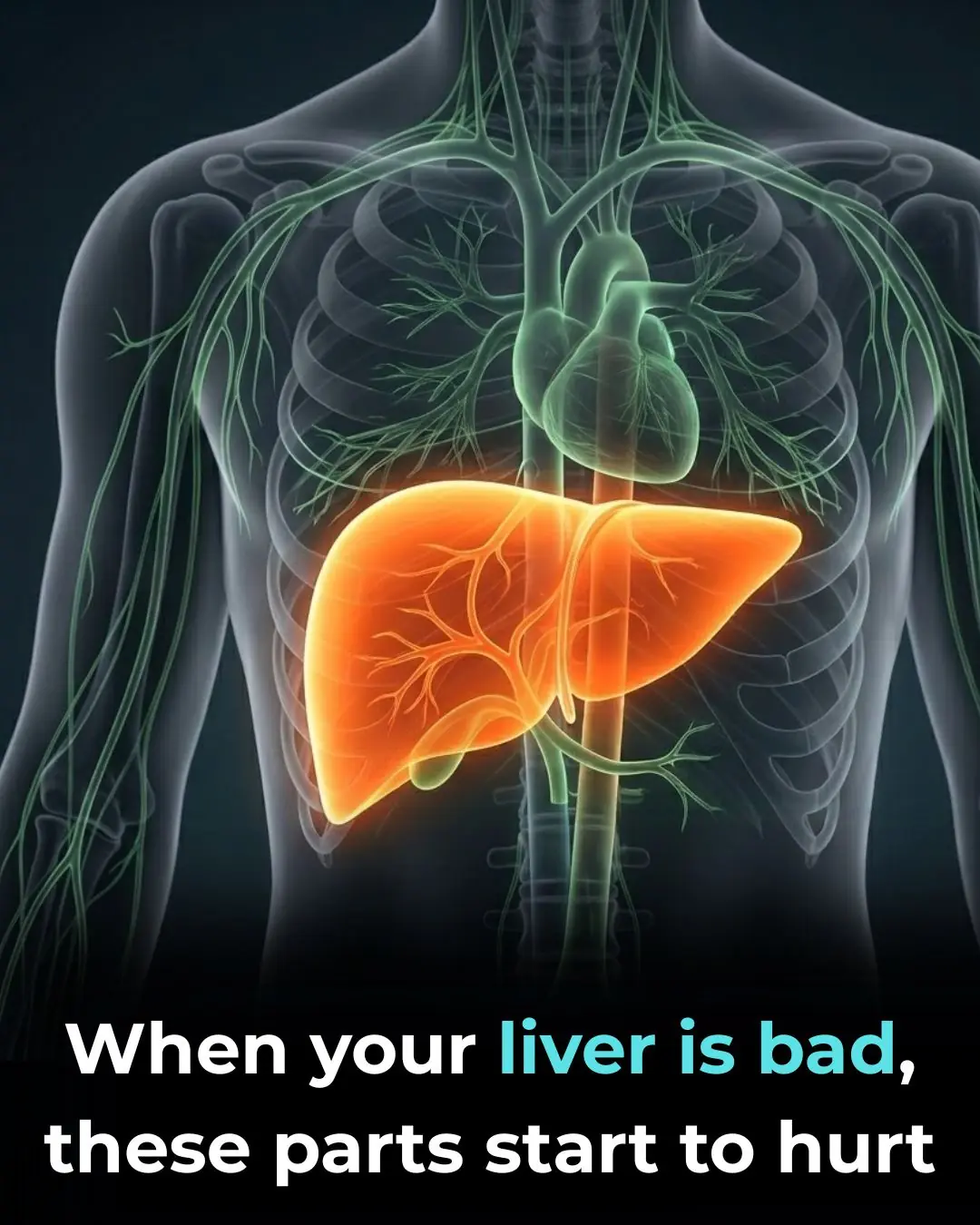
What it could mean: Heart failure, kidney disease, liver disease, or blood clots.
Red flags: Swelling in one leg only (possible clot), accompanied by chest pain or shortness of breath.
Notice something about this list? Many of these symptoms overlap with multiple conditions—some benign, some serious. That's exactly the point.
Your job isn't to diagnose yourself. Your job is to notice, to pay attention, and to seek help when something feels off.
You live in your body 24 hours a day. If something feels different—persistently, progressively, profoundly—trust that feeling.
Understanding why we dismiss symptoms can help us stop:
Fear: If I ignore it, maybe it'll go away. (It rarely does.)
Busyness: I don't have time to be sick. (You have time to be sicker?)
Comparison: My friend had this and it was nothing. (Your friend isn't you.)
Self-dismissal: I'm probably overreacting. (Would you tell a loved one the same thing?)
Insurance concerns: It's too expensive. (It's more expensive to wait.)
Name your reason, then ask: is this reason worth my health?
Immediately (Call 911 or go to ER):
Chest pain with shortness of breath
Sudden severe headache
Sudden vision changes or loss
Difficulty speaking or understanding speech
Facial drooping or arm weakness (stroke signs)
Severe shortness of breath
Within a Week (Schedule appointment):
Unexplained weight loss
Persistent fever
Changes in bowel habits
New or changing moles
Persistent cough or hoarseness
Soon (Within the Month):
Unexplained fatigue
Occasional but concerning symptoms
Follow-up on previously noticed changes
Your body is speaking to you every single day. Most of its messages are routine—hunger, thirst, the need for rest. But occasionally, it sends something urgent.
The question isn't whether you can hear it. The question is whether you'll listen.
One doctor's appointment, one conversation, one moment of paying attention can change everything. Not because every symptom signals disaster—most don't—but because the ones that do are time-sensitive. And time is the one thing none of us can get back.