A Str:oke Doesn't Always Happen Without Warning—These 6 Signs May Come First
6 Nighttime Signs in Your Arms or Legs You Shouldn’t Ignore
Many health warnings about stroke on the internet can be overly dramatic or misleading. A stroke does not
usually “announce itself” days in advance in a clear, predictable way—especially not only at night. However,
certain symptoms affecting the arms or legs, even when they appear at night, may signal circulation or nerve
problems that should not be ignored.
Understanding these signs can help you recognize when it’s time to seek medical advice—and potentially
prevent more serious complications.
First, What Is a Stroke?
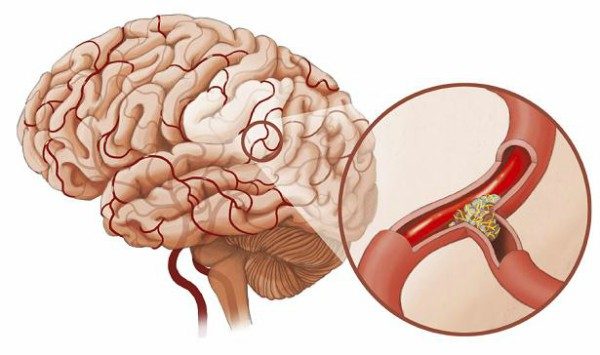
A stroke occurs when blood flow to part of the brain is interrupted, either by a blockage (ischemic stroke) or
bleeding (hemorrhagic stroke). When brain cells don’t get enough oxygen, they begin to die within minutes.
Classic stroke symptoms often appear suddenly and include:
Weakness on one side of the body
Difficulty speaking
Facial drooping
Loss of coordination
These require immediate emergency care.
6 Nighttime Signs to Pay Attention To
While not all of the following signs mean a stroke is coming, experiencing them frequently—especially in
combination—may indicate underlying issues like poor circulation, nerve compression, or vascular
problems.
1. Numbness or Tingling in Arms or Legs
Waking up with a “pins and needles” sensation occasionally is common, especially if you slept in an awkward
position.
However, frequent or unexplained numbness-especially on one side of the body-should be evaluated.
.png)
2. Sudden Weakness in a Limb
If you notice that one arm or leg feels unusually weak at night or when waking up, this could be a red flag.
Temporary weakness may sometimes be related to nerve pressure, but repeated episodes should not be
ignored.
3. Cramping or Pain That Won’t Go Away
Leg cramps at night are common, but persistent or severe pain—especially in one leg—could be related to
circulation issues.
In some cases, this may point to conditions like poor blood flow or vascular problems.
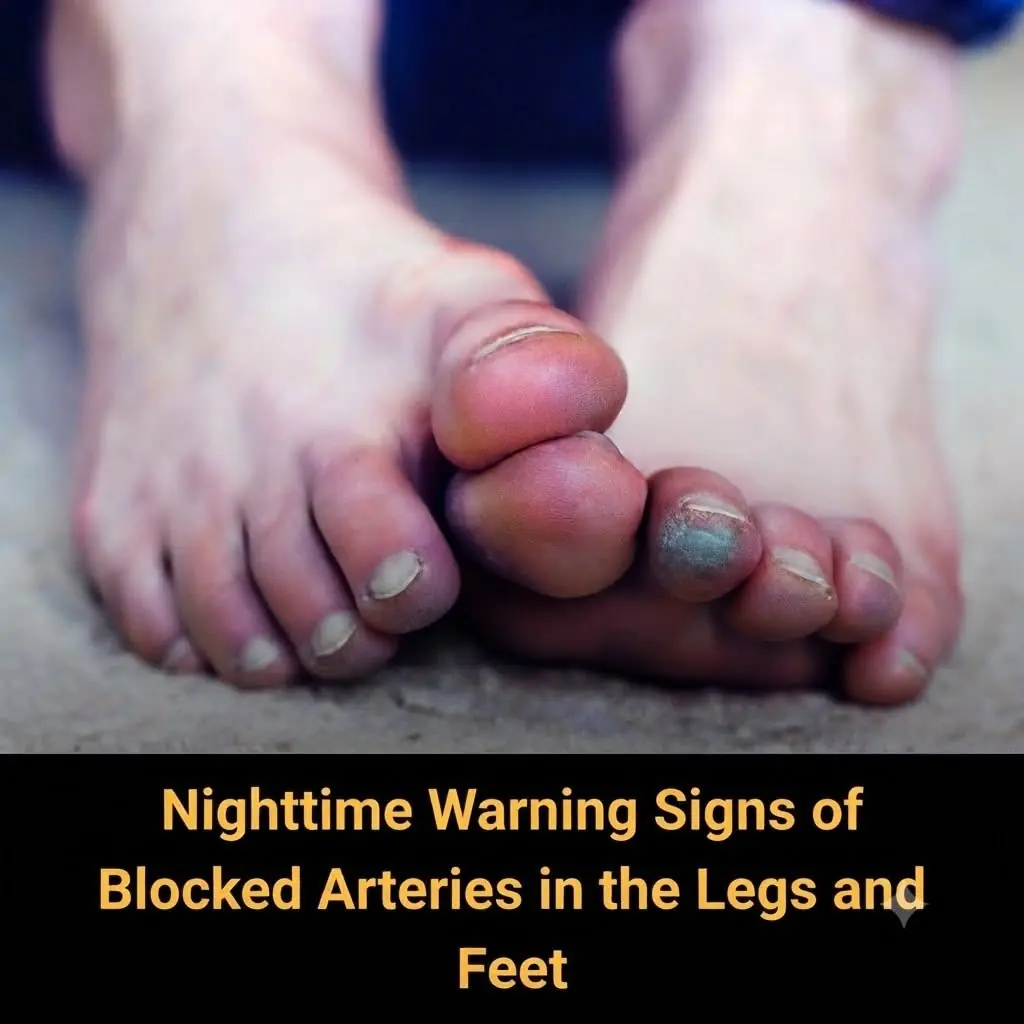
4. Cold or Pale Limbs
If your hands or feet frequently feel cold, pale, or even slightly bluish, it may indicate reduced blood
circulation.
Poor circulation over time can increase the risk of cardiovascular issues.
5. Restless or Heavy Feeling in the Legs
A constant urge to move your legs or a heavy, uncomfortable sensation at night may be linked to circulation
or nerve-related conditions.
While often harmless, persistent symptoms may require medical evaluation.
6. Loss of Coordination or Balance
If you wake up feeling unsteady, clumsy, or unable to control your movements properly, this is something to
take seriously.
Coordination problems—especially when sudden—can be linked to neurological issues.
When to Seek Immediate Help
It’s important to understand that a stroke is usually sudden, not gradual.
If you or someone else experiences any of the following, call emergency services immediately:
Sudden numbness or weakness (especially on one side)
Trouble speaking or understanding speech
Sudden vision problems
Severe dizziness or loss of balance
Sudden, severe headache
A helpful way to remember is the FAST rule:
Face drooping
Arm weakness
Speech difficulty
Time to call emergency services
The Bottom Line
Nighttime symptoms in your arms or legs are often harmless, caused by sleep position or temporary nerve
pressure. However, repeated or unusual signs should not be ignored, as they may point to circulation or
neurological issues.
While these symptoms alone do not mean a stroke is “knocking at your door,” they are a reminder to listen to
your body and seek medical advice when something feels off.
Staying informed and acting quickly when necessary-can make a critical difference in protecting your health.