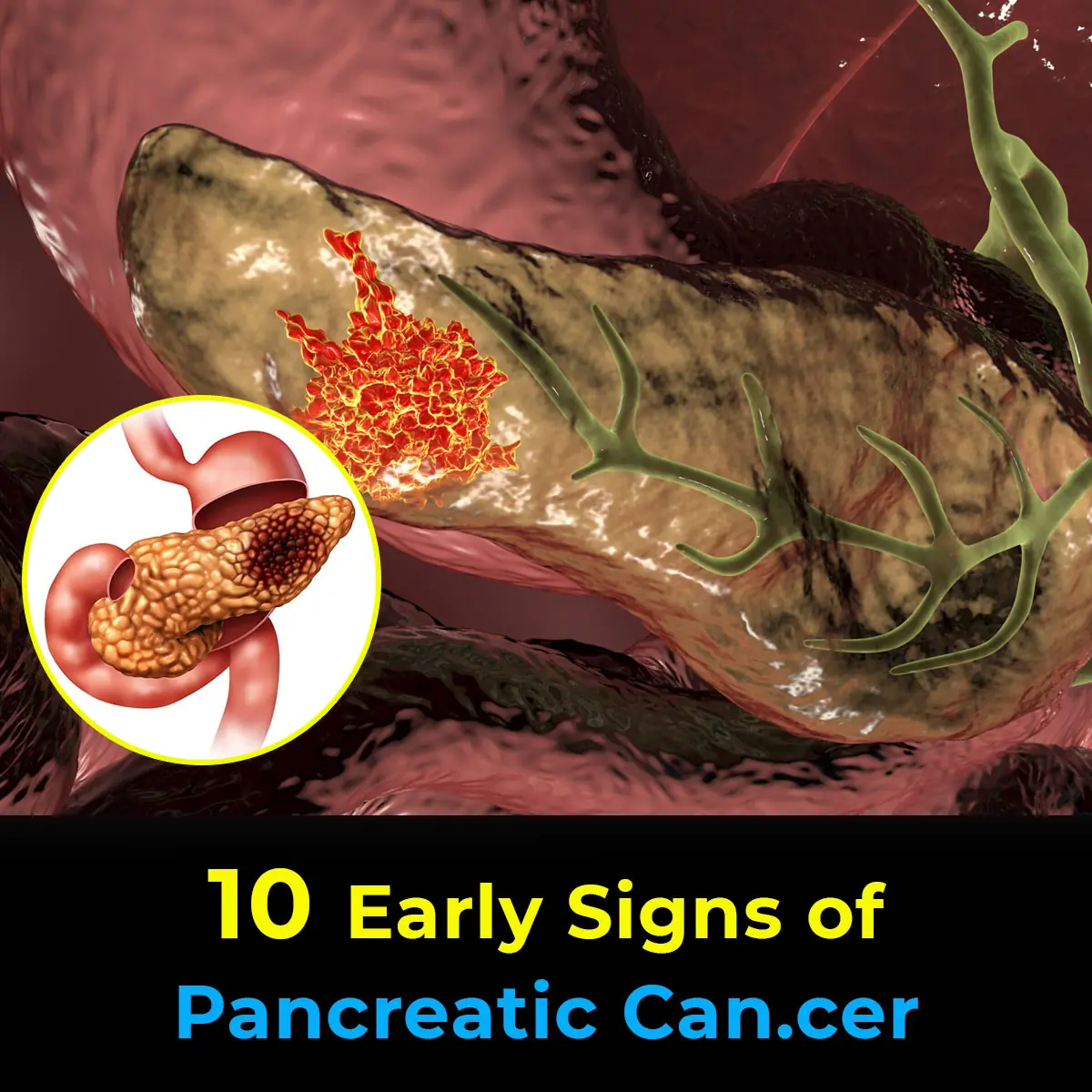
Recognizing the Silent Signs of Pancreatic Cancer
Pancreatic cancer is one of the most difficult cancers to detect in its early stages. Often referred to as a “silent killer,” it develops quietly, showing symptoms that can easily be mistaken for more common health issues such as indigestion, back pain, or fatigue. Unfortunately, this subtle progression means that the disease is often diagnosed only after it has advanced, when treatment options are more limited.
Raising awareness about the warning signs, risk factors, and when to seek medical attention is essential, as early detection can improve both survival rates and quality of life.
1. Unexplained Weight Loss
One of the earliest red flags of pancreatic cancer is sudden and unexplained weight loss. This happens because tumors can interfere with the pancreas’ ability to produce enzymes that help digest food, leading to poor nutrient absorption. Over time, this can cause malnutrition, loss of muscle mass, and extreme fatigue.
If you notice significant weight loss without changes in diet or activity level, it’s crucial to speak with a doctor. While weight loss can stem from many conditions, in the context of other symptoms, it may signal pancreatic dysfunction.
2. Persistent Abdominal or Back Pain
Pain that starts in the upper abdomen and radiates toward the back is a common symptom. This discomfort may be dull, persistent, and can worsen after meals or when lying down. Unlike typical stomach pain, this type of pain doesn’t always respond to over-the-counter remedies.
Because the pancreas is located deep within the abdomen, tumors can press on surrounding nerves and organs, causing chronic discomfort. Any pain that lingers for weeks without clear cause deserves medical evaluation.
3. Jaundice (Yellowing of Skin and Eyes)
Jaundice is one of the more visible and serious warning signs. A yellow tint in the skin and eyes occurs when a tumor blocks the bile duct, causing a buildup of bilirubin in the bloodstream.
Other related symptoms may include:
-
Dark urine (tea or cola-colored)
-
Pale or clay-colored stools
-
Persistent itching
Because jaundice is rarely ignored by patients or physicians, it sometimes leads to earlier detection compared to other symptoms.
4. Digestive Issues and Loss of Appetite
Pancreatic cancer can directly disrupt digestion. Many patients experience nausea, bloating, indigestion, or a complete loss of appetite. In some cases, stools may become greasy, foul-smelling, and difficult to flush, a condition known as steatorrhea, which indicates the body is not breaking down fats properly.
These digestive problems may worsen over time and can contribute further to unintentional weight loss.
5. New-Onset Diabetes or Blood Sugar Changes
The pancreas plays a central role in regulating blood sugar. Tumors can impair insulin production, causing sudden-onset diabetes in people with no prior history or risk factors.
Signs to watch for include:
-
Excessive thirst
-
Frequent urination
-
Unexplained fatigue
-
Increased hunger despite weight loss
If diabetes appears suddenly, especially in someone over age 50, doctors may recommend screening for pancreatic issues.
6. Fatigue and Weakness
Cancer cells consume a large amount of the body’s energy, leaving patients feeling drained. Chronic fatigue, weakness, and lack of motivation—even after rest—are common symptoms. Combined with weight loss and digestive issues, this overwhelming tiredness can significantly affect daily activities.
7. Dark Urine and Pale Stools
Changes in urine and stool color are linked to bile flow obstruction. Dark urine can indicate excess bilirubin in the blood, while pale or clay-colored stools suggest that bile is not reaching the intestines. These signs often accompany jaundice and should always be investigated promptly.
8. Itchy Skin
An often overlooked symptom, persistent itchiness can be caused by bile salts accumulating under the skin. While itching can result from many conditions, when combined with jaundice or dark urine, it becomes a significant warning sign.
Risk Factors to Consider
Certain factors increase the likelihood of developing pancreatic cancer, including:
-
Age (most common after age 60)
-
Smoking and heavy alcohol use
-
Obesity and poor diet
-
Family history or genetic predisposition
-
Chronic pancreatitis
Knowing your risk can help you take symptoms more seriously and prompt earlier medical evaluation.
When to Seek Medical Help
If you experience a combination of symptoms—particularly unexplained weight loss, abdominal/back pain, and jaundice—see a doctor immediately. While these signs do not always mean cancer, early medical intervention provides the best chance for effective treatment.
Final Thoughts
Pancreatic cancer may be silent in its early stages, but the body often sends subtle signals that should not be ignored. By paying attention to changes such as weight loss, digestive issues, or yellowing skin, individuals can take proactive steps toward early detection.
While this disease remains one of the most challenging cancers, awareness and timely medical care can make a life-saving difference.