Proven Inflammatory Foods to Avoid According to Science
Health 16/02/2026 07:56
High uric acid levels (hyperuricemia) can cause painful gout attacks and even increase your risk of kidney stones. While medication may be necessary in severe cases, many people can lower uric acid naturally through simple diet and lifestyle changes.
Here are 10 scientifically backed ways to reduce uric acid levels, relieve gout symptoms, and protect your kidneys — naturally.
💡 Tip: Before starting any new supplement or diet plan, talk to your doctor, especially if you’re on medication or have kidney issues.
Cherries are one of the best foods to lower uric acid naturally.
They work by:
Increasing kidney filtration rate, which helps flush out uric acid.
Decreasing uric acid reabsorption in the kidneys.
Inhibiting xanthine oxidase, an enzyme involved in uric acid production.
Cherries are rich in quercetin and anthocyanins — compounds with powerful anti-inflammatory and antioxidant effects.
📊 Science says: Drinking at least 8 oz of cherry juice daily for four weeks has been shown to significantly reduce uric acid levels and lower the risk of gout flares.
Vitamin C boosts uric acid excretion and supports healthy kidneys.
Foods high in vitamin C include:
Kiwi
Strawberries
Bell peppers
Citrus fruits like oranges and lemons
📖 In a 2005 Arthritis & Rheumatism study, participants taking 500 mg of vitamin C daily for two months had significantly lower uric acid levels.
⚠️ Note: If you have a history of kidney stones, consult your doctor before supplementing.
Surprisingly, coffee can lower your risk of gout.
It contains chlorogenic acid, an antioxidant that helps reduce uric acid and improve insulin sensitivity.
📊 A 2007 study found that men who drank 4–5 cups of coffee per day had a 40% lower risk of developing gout than non-coffee drinkers.
Opt for black coffee without added sugar or creamers to maximize benefits.
Water is one of the simplest and most effective ways to flush uric acid out of your body.
Aim to drink at least 8–10 glasses of water daily to help your kidneys work efficiently.
You can also include low-fat milk, which may promote uric acid excretion and reduce production.
Excess body fat increases uric acid production and decreases its elimination.
📊 Studies show that obese individuals have 10 times higher risk of gout compared to those at a healthy weight.
In one large study (2017), participants who lost more than 22 pounds over two years had significantly lower uric acid levels.
Start gradually — even a 5–10% weight loss can make a major difference.
High insulin levels make it harder for your kidneys to eliminate uric acid.
To keep insulin stable:
Avoid refined sugars and processed foods
Choose whole grains and fiber-rich foods
Eat smaller, balanced meals throughout the day
🧠 Check out our related guide: Top 13 Foods to Reverse Insulin Resistance.
Soluble fiber helps slow the absorption of sugar and keeps insulin levels balanced — both essential for uric acid control.
Aim for 5–10 grams of soluble fiber daily from:
Oats
Apples
Flaxseeds
Beans and lentils
Fiber also promotes satiety, helping prevent overeating and weight gain, which further reduces uric acid production.
Chronic stress and anxiety can trigger gout attacks by increasing uric acid and inflammation.
Simple ways to manage stress:
Practice deep breathing or meditation
Try yoga or stretching
Get enough sleep and relaxation time
Even a few minutes of mindful breathing daily can make a noticeable difference.
Physical activity helps maintain a healthy weight, lower insulin resistance, and reduce inflammation — all vital for controlling uric acid levels.
During gout-free periods, aim for:
Low-impact cardio: swimming, cycling, brisk walking
Aquatic exercise: great for easing joint pressure during recovery
Start slow and stay consistent — 20–30 minutes a day is enough to improve results.
Some prescription drugs can raise uric acid levels, including:
Diuretics (water pills)
Immunosuppressants
Niacin (vitamin B3)
Chemotherapy drugs
Low-dose aspirin
If you’re on these medications, talk to your doctor about safer alternatives or dosage adjustments. Never stop medication without medical advice.
While diet plays a role, genes, metabolism, and kidney function have a much greater influence on uric acid buildup.
A 2018 BMJ study found that family history and genetics are stronger predictors of gout risk than diet alone.
That doesn’t mean food doesn’t matter — it just means you can enjoy the occasional treat without guilt, as long as you maintain healthy habits overall.
To recap, here are the 10 best natural ways to lower uric acid:
Eat cherries
Boost vitamin C
Drink coffee in moderation
Stay hydrated
Lose weight
Balance insulin
Eat fiber
Reduce stress
Exercise
Review medications
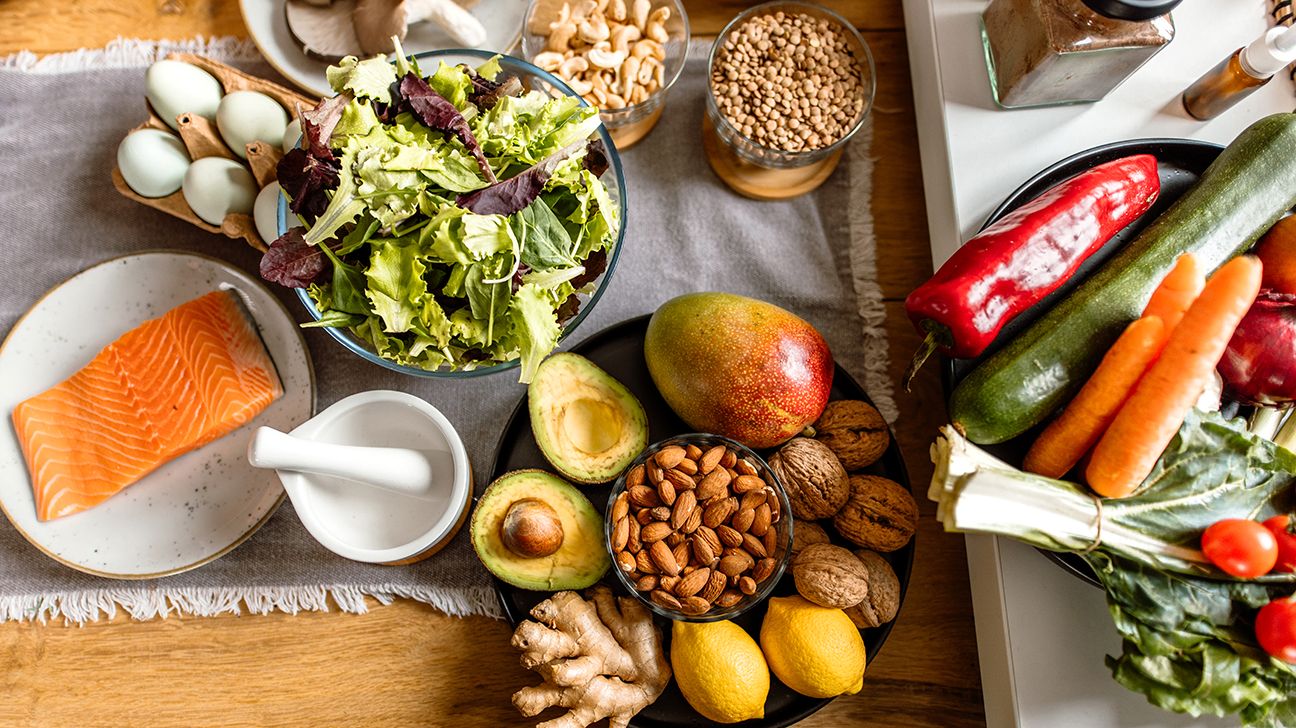
Lifestyle changes can lower uric acid levels, prevent gout flares, and improve your overall health. Combine them with a balanced, anti-inflammatory diet for best results.