
Reasons why younger men like older women..
Health 21/03/2026 23:28
Your feet may reveal the earliest red flags of diabetes before other parts of your body show symptoms. High blood sugar affects both circulation and nerves, making the feet particularly vulnerable. By paying attention to small changes, you can catch diabetes complications early and protect your long-term health.
Why Your Feet Reveal So Much About Diabetes
Diabetes doesn’t just impact blood sugar—it affects blood flow, nerve function, and the body’s natural ability to heal. Since the feet are far from the heart and contain many small blood vessels and delicate nerves, they often display warning signs first. Neglecting these signals may lead to complications ranging from chronic pain to dangerous infections. That’s why experts stress the importance of regular foot checks for people living with or at risk of diabetes.

Many individuals with diabetes experience sudden burning, stabbing, or electric-like pain in their feet, even while resting. This happens when damaged nerves misfire and send incorrect pain signals to the brain. The discomfort may fluctuate throughout the day, but it often worsens at night and can disrupt sleep. If gentle touches or light pressure feel unbearably painful, it’s a strong sign that nerve damage may be advancing. Keeping blood sugar stable and working closely with a doctor can slow this progression.
Do your feet feel icy even in summer or while the rest of your body feels warm? Poor circulation caused by diabetes may be the reason. Narrowed blood vessels restrict healthy blood flow, leading to coldness in the lower extremities. While occasional cold feet can be harmless, persistent chilliness suggests a deeper issue. Simple lifestyle changes—such as wearing warm socks, massaging your feet, or moving around frequently—can help stimulate circulation, but medical evaluation is important if the symptom continues.
A constant sensation of pins-and-needles, tingling, or complete numbness in the feet is one of the clearest signs of diabetic neuropathy. Over time, this nerve damage reduces sensitivity, making it difficult to feel pain, heat, or small injuries. The danger is that unnoticed cuts or blisters may worsen into serious infections. Daily foot checks are essential—look for redness, swelling, or small wounds you might not feel.
Recurring cramps in the feet or calves, especially at night, may signal poor circulation or muscle strain due to lack of oxygen-rich blood. These cramps can be painful, waking you up and affecting your sleep. Gentle stretching, hydration, and magnesium-rich foods may help ease the discomfort. But if cramps persist despite these measures, it could mean your blood vessels are under strain from diabetes and require medical attention.

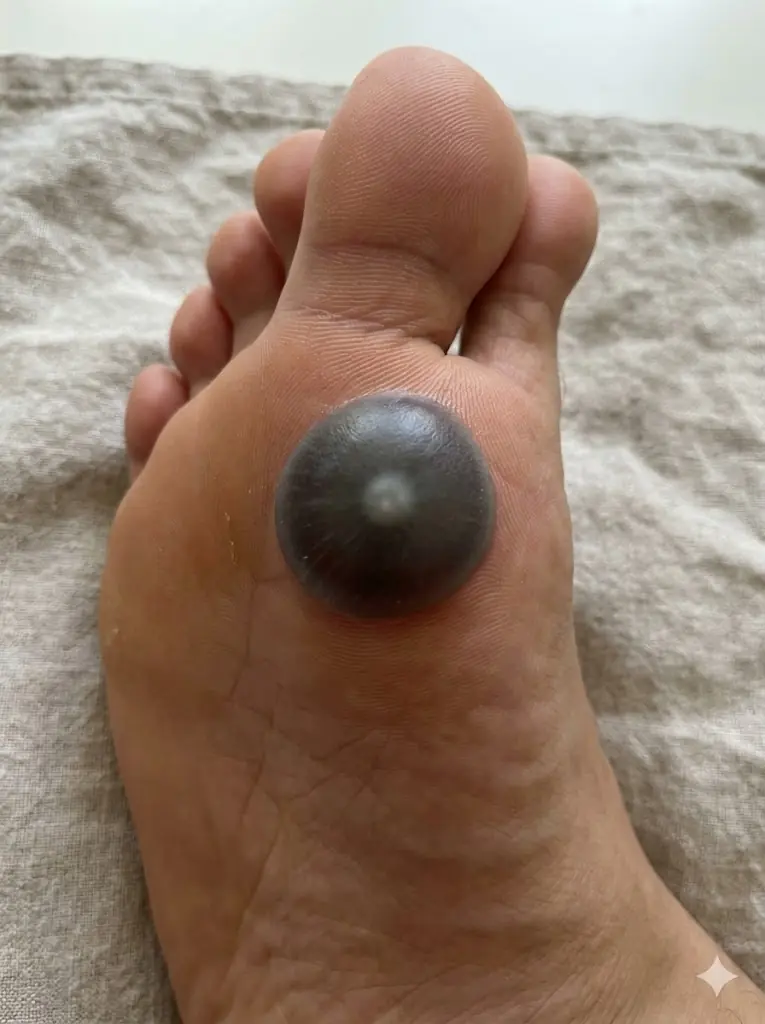
One of the most alarming signs of diabetes in the feet is wounds that refuse to heal. Even a small blister or scratch can linger for weeks due to high blood sugar slowing the body’s natural repair system. Poor circulation worsens the issue, making infections more likely. Left untreated, these sores may turn into ulcers, which are painful, open wounds that put your health at serious risk. Immediate care and regular check-ups are crucial to prevent complications.
Watch closely for sudden changes in the color of your feet. Dark spots, redness, or a bluish tint often indicate reduced blood flow, skin infections, or tissue stress. Some color changes may even be linked to underlying vascular conditions. Don’t ignore these shifts—early diagnosis and treatment can prevent more severe problems.
Diabetes can reduce sweat and oil production, leaving your feet unusually dry. Over time, this can lead to itching, peeling, or deep cracks in the heels and soles. These cracks allow bacteria to enter, raising infection risk. Daily moisturizing can protect the skin, but avoid applying lotion between the toes, where excess moisture can trigger fungal growth.
Fluid buildup around the feet or ankles may signal poor circulation, kidney strain, or weakened blood vessels—all of which can be linked to diabetes. Mild swelling might improve with leg elevation or gentle exercise. However, sudden or severe swelling should never be ignored, as it may point to heart or kidney complications.
Diabetes makes toenails and skin more vulnerable to fungal infections. Yellowed, thickened, brittle nails or itchy skin between toes are common warning signs. These infections can be stubborn and spread if not treated properly. Antifungal creams or prescription treatments are often needed. Keeping feet dry, clean, and properly ventilated greatly reduces the risk.
Long-term damage to nerves and muscles can gradually change the shape of your feet. Conditions such as hammertoes or claw toes may develop, making walking painful and increasing pressure points that lead to sores. Properly fitted footwear, custom orthotics, and regular podiatry care can prevent these issues from worsening.
Tips for Protecting Your Feet
When to See a Doctor
Ignoring foot symptoms can lead to severe infections, ulcers, and mobility problems. Schedule an appointment if you notice:
Your feet are a mirror of your overall health. Recognizing diabetes-related changes early can help you take control before complications arise. By staying alert and proactive, you protect not just your feet—but your entire well-being.





























![🔥[KALEB STORY]🔥THE PAINFUL CHILDHOOD BEHIND THAT SMILE YOU SEE ON TV 💔](https://onplusnewscom.8cache.com/onplusnewscom/images/2026/03/21/1774099813GY09LCXgWc.webp)