
Sat all day still can not find the missing girl..
Facts 01/06/2026 21:42

This is often the first sign families notice, though they may not say it out loud.
What to look for:
Wearing the same clothes multiple days in a row
Unwashed hair, noticeable body odor, or unbrushed teeth
Clothing that is stained, wrinkled, or inappropriate for the weather (heavy coat on a warm day)
Neglected nails (overgrown, dirty, or uncared for)
Strong smell of urine in the home or on clothing
What it might mean: Difficulty bathing or dressing due to physical limitations (arthritis, weakness, balance issues). Depression (loss of interest in self-care). Early cognitive changes (forgetting hygiene routines). Fear of falling in the shower or tub.
How to respond with love:
Don't lead with criticism. Never say, "Mom, you smell" or "Dad, you're not taking care of yourself." That invites shame and defensiveness.
Instead, try: "I've noticed you seem tired lately. I'm going to be in the area on Tuesday. Would it be helpful if I came by to help with laundry or change your bedsheets?"
For bathing: "I've read that falls in the bathroom are really common as we get older. I'd feel better if we looked into a shower chair or grab bars. Can we talk about that?"
Sometimes, the solution is practical: a shower chair, a long-handled sponge, no-slip mats. Sometimes, it's accepting outside help—a home health aide, a weekly housekeeper, or a family member who visits on shower days.
This sign is easy to overlook during brief visits or phone calls.
What to look for:
Clothes fitting noticeably looser than before
A refrigerator full of spoiled or expired food
Pantry items that have gone untouched for months
Empty takeout containers instead of home-cooked meals
Complaints that food "doesn't taste right anymore"
Skipping meals or eating very small portions
What it might mean: Difficulty shopping for or preparing food (physical limitations). Loss of taste or smell (normal with aging, but can also signal neurological conditions). Depression (loss of appetite). Financial strain (choosing between food and medication). Dental problems (painful chewing). Cognitive decline (forgetting to eat).
How to respond with love:
Don't accuse. "You're not eating enough" sounds like criticism.
Try: "I'm thinking of making a big pot of soup this weekend. Can I bring you some? I always make too much."
Or: "Would you like me to help you set up a grocery delivery service? I use one and it saves me so much time."
For dental issues: "When's the last time you saw a dentist? My insurance just changed—I'm trying to find a good one. Want me to make us appointments together?"
Consider practical solutions: Meals on Wheels delivery. Pre-made meal services. A weekly family meal delivery rotation. Dentures or dental care. A financial check-up to ensure food budgets are adequate.
This one is easy to explain away. "She's always been a bit messy." "He's just tired." "They're slowing down."
What to look for:
Piles of unopened mail (especially bills)
Dirty dishes stacking up in the sink
Trash not taken out (overflowing bins, bags accumulating)
Laundry piling up unfolded or unwashed
Cluttered pathways (increased fall risk)
Strong odors (mold, mildew, urine, spoiled food)
Maintenance issues ignored (leaky faucet, burnt-out lightbulbs, broken smoke detector)
What it might mean: Physical difficulty with housekeeping tasks (bending, lifting, standing). Depression (loss of motivation). Cognitive changes (forgetting routines, losing ability to sequence tasks). Vision problems (can't see the dirt or clutter). Overwhelm (too much house for one person to manage).
How to respond with love:
Never say, "Your house is a mess." Shame will make them withdraw.
Try: "I have some extra time this weekend. Would you mind if I came over and helped you catch up on a few things? I could use the company."
Or: "I've been thinking about hiring someone to help me with cleaning once a month. Would you want to go in together on someone? Might be cheaper for both of us."
If the mess is significant, consider framing it as a safety issue: "I noticed the pathway to the bathroom is getting narrow. I'd feel better if we cleared it out a bit so you don't trip."
Practical solutions: Weekly housekeeping service. Family chore rotation. Junk removal service. Mail sorting assistance (autopay for bills). Handyman for small repairs.
Everyone forgets things. But there's a difference between occasional lapses and patterns that affect daily life.
What to look for:
Missing appointments or double-booking
Forgetting to take medications (or taking the wrong dose)
Getting lost in familiar places (driving to the store, walking the neighborhood)
Repeating the same question or story within a single conversation
Difficulty following instructions or learning new tasks
Unpaid bills, bounced checks, or other financial mistakes
Leaving the stove on or other safety lapses
What it might mean: Early dementia (Alzheimer's, vascular dementia, Lewy body). Medication side effects. Untreated depression (which can mimic dementia). Urinary tract infection (sudden confusion in older adults). Vitamin B12 deficiency. Thyroid problems.
Important distinction: Forgetting where you put your keys is normal. Forgetting what keys are for is not. Forgetting an appointment is normal. Forgetting you had an appointment at all is not.
How to respond with love:
Start with a medical evaluation. Many causes of confusion are treatable—and even dementia progresses more slowly with early intervention.
Say: "I've noticed you seem more tired than usual lately. I'd feel better if you had a checkup. Would you be willing to let me come with you? I could use one too."
Do not argue about reality. If your loved one says something that isn't true, gently redirect. Don't correct harshly. "Oh, I thought we were meeting on Tuesday. No worries—let's look at the calendar together."
Practical solutions: Medication organizers (pillboxes with days of the week). Automatic pill dispensers. Alexa or Google Home reminders. A shared family calendar. Driving evaluation (many DMVs offer senior driving tests). Medical power of attorney and advance directives while cognition is still relatively intact.
This is the sign that breaks my heart the most because it's so often mistaken for "just getting older."
What to look for:
Declining invitations to family gatherings or social events
Ending phone calls more quickly than before
No longer participating in hobbies they once loved (gardening, cards, church, book club)
Making excuses to avoid leaving the house
A flat or apathetic affect (not seeming to care about much)
Increased time spent sleeping or watching television alone
What it might mean: Depression (very common and highly treatable in older adults). Hearing loss (social situations become exhausting). Vision loss (can't see well enough to participate). Fatigue from underlying illness (heart disease, COPD, anemia). Cognitive changes (can't follow conversations or remember rules). Loss of friends or spouse (grief).
How to respond with love:
Don't demand participation. "You need to get out more" feels like a lecture.
Try: "I've really missed our coffee dates. Would you be open to me coming over this week instead? We could just sit and chat."
Or: "I'm going to the garden center on Saturday. Would you want to come with me? No pressure—we can leave whenever you want."
If you suspect hearing loss: "I've noticed I have to speak up more lately. I'm wondering if my hearing is going. Have you noticed anything? Maybe we could both get tested."
For depression: "You seem sad lately. I want you to know that's okay. But I also want to make sure you're not suffering alone. Would you be willing to talk to someone? I'd go with you."
Practical solutions: Treat underlying depression (therapy, medication, support groups). Treat hearing or vision loss (hearing aids, cataract surgery, large-print books). Low-commitment social activities (lunch dates, not all-day events). Technology training (FaceTime, Zoom) for connection when leaving home is hard.
This is what everyone fears. How do you bring up sensitive topics without making your loved one feel attacked, infantilized, or pushed aside?
The wrong way:
"You can't live alone anymore."
"You're not safe."
"We're worried about you."
"You need help."
These statements feel like accusations. They invite resistance, defensiveness, and withdrawal.
The right way:
Start with love. "I love you. I'm not trying to take over. I'm just worried, and I want to help."
Use "I" statements, not "you" accusations. "I've noticed I've been worrying more lately. I'd feel better if we talked about a few things." Not "You're forgetting things."
Focus on specific behaviors, not character. "I noticed the mail was piling up" is better than "You're not handling your finances."
Ask permission before giving advice. "Would you be open to talking about some ideas that might make things easier?"
Frame help as mutual. "I've been thinking about getting a house cleaner. Would you want to share one with me? Might be cheaper for both of us."
Accept small steps. Maybe they won't agree to a home health aide. But they might agree to a weekly phone call check-in. That's progress.
Respect autonomy. Unless there's immediate danger (wandering, severe neglect, financial exploitation), your loved one has the right to make choices you disagree with. Your job is to offer support, not force compliance.
Sometimes, subtle signs escalate into safety concerns. Here's when to move from gentle suggestion to more direct action.
Immediate danger:
Wandering and getting lost
Leaving the stove on or other fire hazards
Severe malnutrition or dehydration
Falling repeatedly
Driving after being told not to
Inability to manage medications (taking too much or too little)
Signs of self-neglect (filth, hoarding, untreated medical conditions)
What to do:
Call Adult Protective Services (APS) in your area. They can investigate and connect your loved one with resources.
Talk to their doctor. Share your concerns. The doctor may recommend a driving evaluation, cognitive testing, or home health services.
Consider guardianship or conservatorship as a last resort. These are legal processes that remove decision-making rights. They should be used only when there is no less restrictive option.
Remember: Intervening may damage your relationship temporarily. But sometimes, keeping someone safe is more important than keeping them happy with you. Your loved one may be angry. They may accuse you of betrayal. That's hard. But it's better than the alternatives.
Use this checklist to assess your loved one's situation. No single sign is definitive, but multiple signs warrant attention.
Category Signs to Watch For Action Hygiene Unwashed hair, body odor, dirty clothes, urine smell Offer help with bathing, laundry. Install shower safety equipment. Eating Weight loss, spoiled food, empty fridge, dental issues Meal delivery services, grocery help, dental care. Home Unopened mail, dirty dishes, clutter, odors, maintenance issues Housekeeping help, handyman, mail sorting, bill autopay. Memory Missed appointments, medication errors, getting lost, repeating questions Medical evaluation, pill organizers, shared calendar, driving assessment. Social Withdrawal, canceled plans, loss of interest in hobbies, flat affect Treat depression, hearing/vision testing, low-commitment social activities.Here's what I learned from my grandmother's unopened mail.
The signs are almost always there before the crisis. They're just quiet. Easy to explain away. Easy to miss when you're busy with your own life, when you're hoping everything is fine, when you're afraid of what you might find if you look too closely.
But looking is an act of love. Noticing is an act of love. Asking the hard questions is an act of love.
My grandmother eventually moved to an assisted living facility. She hated the decision at first. She was angry with me for months. But she was safe. She was eating regular meals. She was taking her medications. She made friends at bingo.
And one day, she took my hand and said, "You were right. I couldn't do it anymore. Thank you for not giving up on me."
That's why we do this. Not to control. Not to take over. To love. To keep them safe. To be there when they can't be there for themselves.
So watch for the signs. The unopened mail. The weight loss. The withdrawal. They're whispers. But they matter.
And when you see them, respond with love. Not panic. Not judgment. Just love.
Now I'd love to hear from you. Have you noticed subtle signs in an older loved one? How did you approach the conversation? What worked? What didn't? Drop a comment below – your story might help someone else find the courage to have the hard conversation.
And if this guide helped you see the signs more clearly, please share it with someone who might need it. A text, a link, a conversation. We're all navigating this journey together.
Take care of your loved ones. And take care of yourself too. 💙👵👴


Most People Give Up Before Finding the 5th Difference… Will You?























Most People Give Up Before Finding the 5th Difference… Will You?
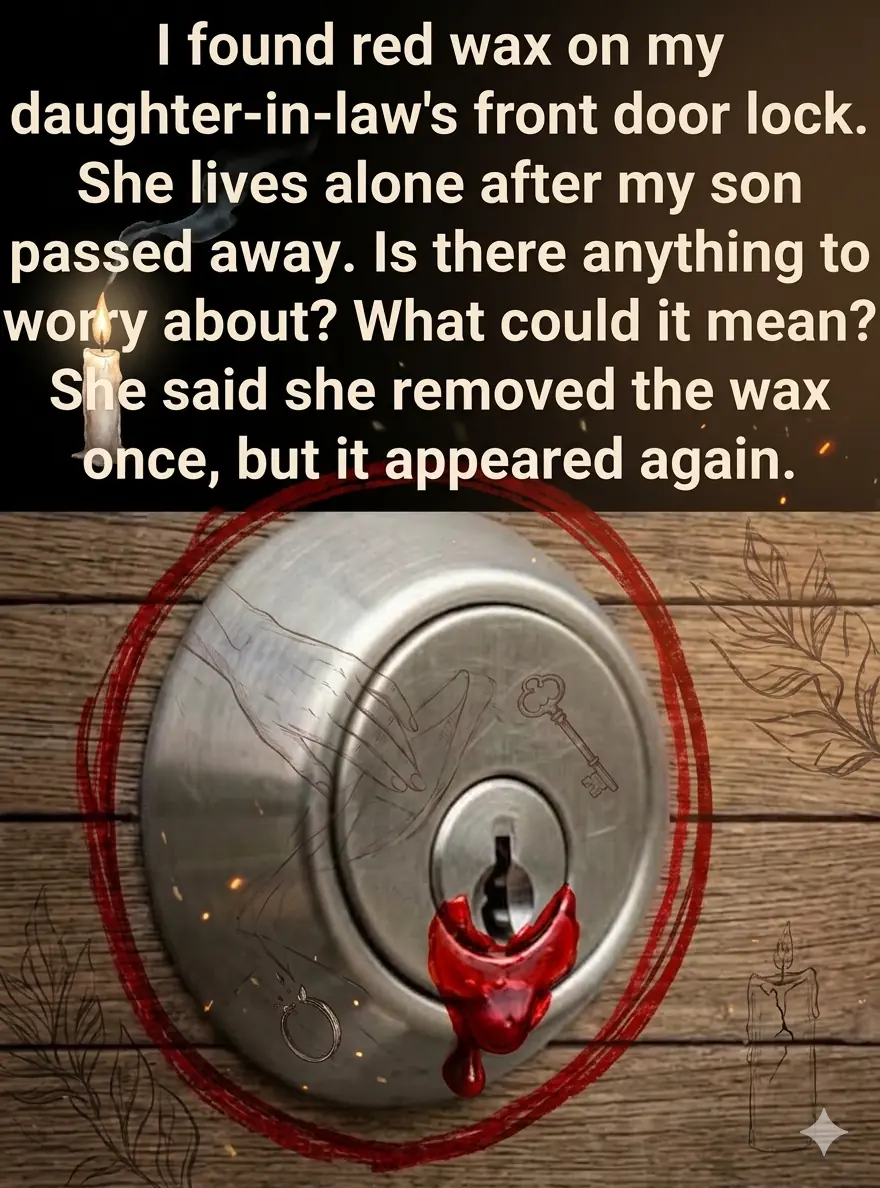
Found Red Wax on Your Door Lock

Powerful Green Juice