More Than a Moment: Understanding the Layers of Intimacy
Health 28/02/2026 23:12
Stomach cancer is becoming increasingly common in many parts of the world. Unfortunately, many people tend to overlook the early warning signs, often mistaking them for minor digestive issues like gastritis or stomach ulcers. By the time they seek medical help, the cancer may already be in its advanced stages or may have metastasized to other organs.
Being aware of the early symptoms of stomach cancer can significantly improve your chances of early diagnosis and treatment. Here are seven key signs that you should never ignore.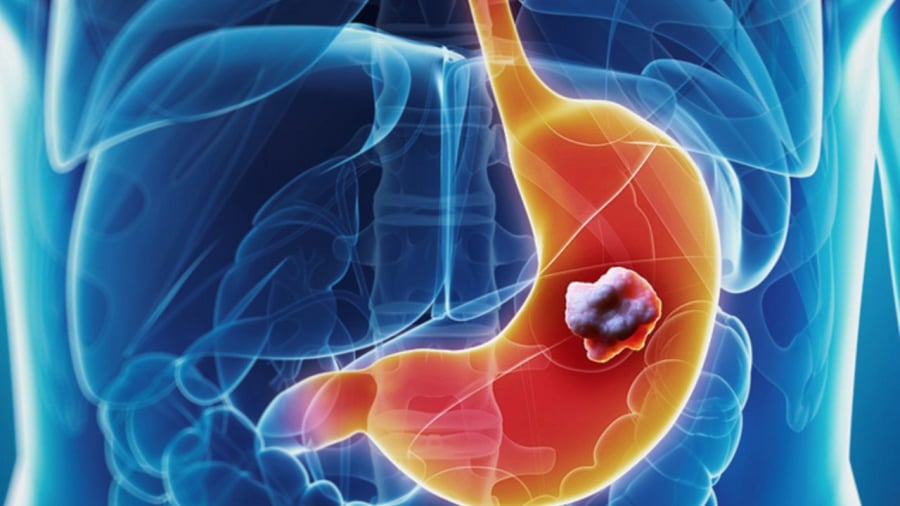
One of the earliest and most common symptoms of stomach cancer is abdominal pain or discomfort. Studies show that around 70% of patients with early-stage stomach cancer report symptoms such as:
Bloating
A heavy or full feeling in the upper abdomen
Mild but persistent pain, especially after eating
This discomfort often occurs at rest or during sleep, and is usually dismissed as indigestion or minor gastritis. If the pain becomes frequent or chronic, it’s essential to consult a doctor.
Experiencing persistent heartburn, acid reflux, or bloating—especially after meals—can be more than just reflux disease. These symptoms may point to early gastric malignancy if they persist for weeks or become more intense.
Although heartburn is common, especially among people with poor eating habits or stress, when it becomes chronic and resistant to antacids, it should raise a red flag.
Be cautious if you also notice:
A burning sensation in the chest or throat
Sour taste in the mouth
Nausea after meals
Another subtle but serious symptom of stomach cancer is a sudden loss of appetite, even when you haven’t changed your eating habits.
You may:
Feel full after eating just a small amount
Start avoiding meals unintentionally
Lose interest in foods you previously enjoyed
This can lead to nutritional deficiencies and weight loss, both of which are concerning when they appear without a clear cause.
Gastrointestinal bleeding is a hidden but dangerous symptom of stomach cancer. It can cause changes in your stool, such as:
Black or tarry stools
Stool mixed with visible blood
A foul or metallic odor
These changes are often the result of internal bleeding from the stomach lining, and they require immediate medical attention. Don’t wait—get checked as soon as possible.
Sudden weight loss without dieting or increased exercise is often a warning sign of an underlying health problem, including cancer.
In the case of stomach cancer, weight loss typically occurs due to:
Loss of appetite
Nausea and vomiting
The body using more energy to fight the disease
Warning: Losing more than 5–10% of your body weight within a few months without a clear reason is a major red flag. Don’t brush it off.
Stomach cancer can interfere with the body’s ability to absorb nutrients, especially iron and vitamin B12, leading to anemia. As a result, many patients feel constantly:
Tired, even after a full night’s sleep
Light-headed or dizzy
Physically weak and unable to perform routine activities
If you notice unusual fatigue that doesn't go away, especially when combined with other symptoms listed here, it’s time to see a doctor.
Experiencing nausea and vomiting, particularly if the vomit contains blood or looks like coffee grounds (a sign of dried blood), is a serious warning sign.
This could indicate:
Internal bleeding
Tumor growth in the stomach lining
Ulcers caused by cancer cells
Important:
Do not delay medical care if you vomit blood or experience frequent nausea without any clear explanation.
If you experience two or more of the symptoms above for more than a few weeks, don’t wait. Early-stage stomach cancer often doesn't show severe signs, which is why early detection is so critical. The sooner it is diagnosed, the higher the chances of successful treatment.
While these symptoms are important, your risk level can also increase if you have:
A history of Helicobacter pylori (H. pylori) infection
Chronic gastritis or gastric ulcers
A family history of stomach cancer
Smoking or frequent alcohol use
A diet high in smoked, salted, or pickled foods
If any of these apply to you, be extra cautious and consider regular screenings.
Stomach cancer can be silent in its early stages, but your body often sends out warning signs—you just have to recognize and act on them. From persistent abdominal discomfort to unexplained weight loss and fatigue, these symptoms should never be ignored.
Early diagnosis saves lives. If you notice any of these signs or feel that something isn’t right with your digestive health, consult a healthcare professional promptly.