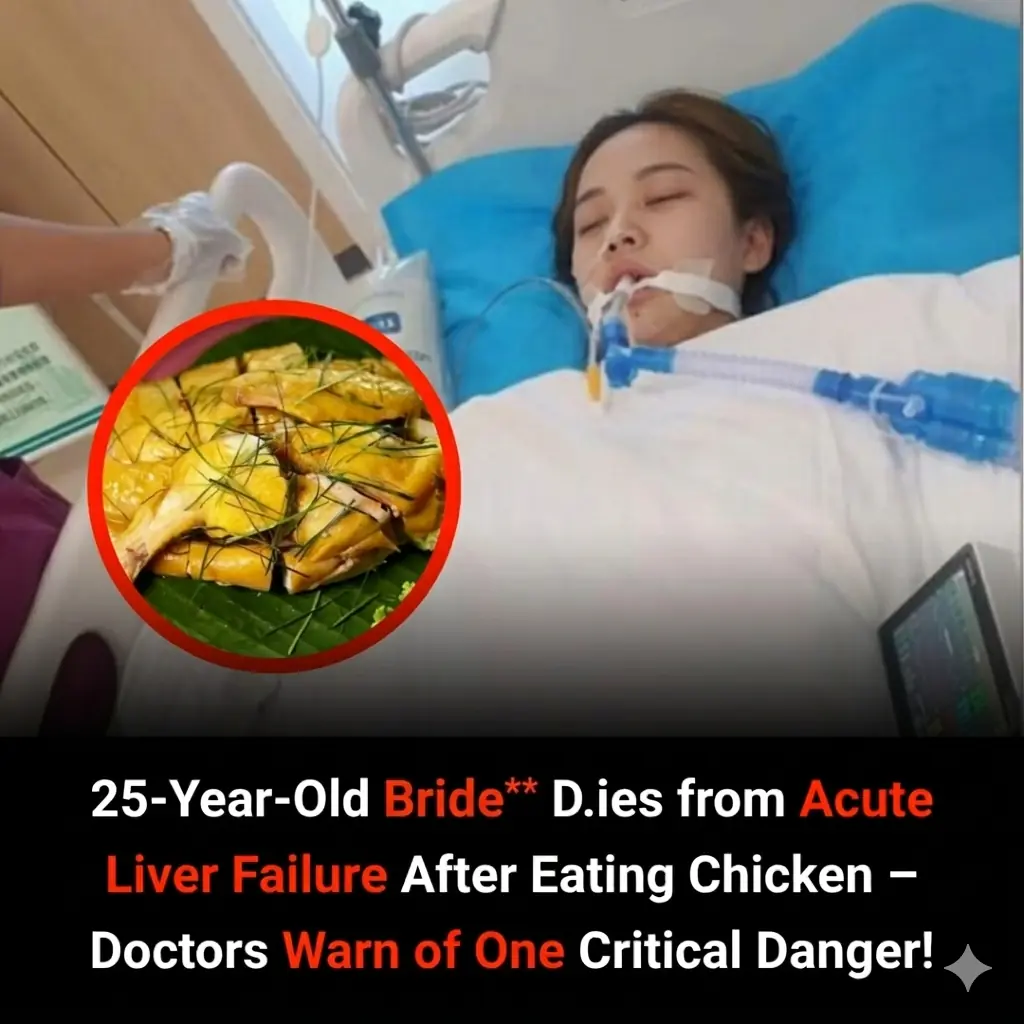
25-Year-Old Groom Dies from Acute Liver Failure After Eating Chicken
Health 04/04/2026 01:06
🚨 7 Early Warning Signs of Stroke You Should Never Ignore
Introduction
When it comes to stroke, every second truly matters. Acting fast can make the difference between a full recovery and permanent disability—or even death. According to the World Health Organization, stroke remains one of the top causes of death and long-term disability worldwide.
Recognizing the signs early and seeking urgent medical attention is absolutely critical. In fact, the sooner a person receives treatment, the better their chances of minimizing brain damage. That’s why understanding the early symptoms—and especially learning the FAST method—can potentially save a life. In this article, we’ll walk you through 7 essential warning signs of a stroke and what to do if you notice them in yourself or someone else.
A stroke occurs when blood supply to a part of the brain is interrupted or significantly reduced, preventing brain tissue from getting oxygen and nutrients. As a result, brain cells begin to die—often within just a few minutes.
There are two main types of strokes:
Ischemic Stroke – Caused by a blood clot or blockage that restricts blood flow to the brain (most common, around 87% of cases).
Hemorrhagic Stroke – Caused by a ruptured blood vessel that bleeds into the brain.
There’s also a Transient Ischemic Attack (TIA), often called a “mini-stroke.” Though symptoms may be brief and go away within minutes or hours, TIAs are serious warning signs that a major stroke could happen soon.
One of the earliest and most noticeable signs of a stroke is sudden numbness, weakness, or paralysis, often affecting the face, arm, or leg—particularly on one side of the body. It may feel like your arm or leg has gone completely limp, or your smile appears uneven.
Key red flags:
A drooping face or crooked smile
Weakness in one arm or leg
Sudden, unexplained numbness in limbs or face
Stroke can interfere with your ability to speak clearly or comprehend what others are saying. You might slur your words, say nonsense sentences, or feel mentally foggy.
Warning signs include:
Slurred or jumbled speech
Struggling to find the right words
Inability to follow simple questions or commands
If someone can't repeat a simple sentence correctly, that’s a major warning sign.
Strokes can affect the visual centers of the brain, leading to sudden vision changes. You may experience blurry vision, double vision, or even temporary blindness in one eye.
Pay attention to:
Sudden blurry or tunnel vision
Loss of vision in one eye
Seeing double or feeling like "the room is spinning"
These symptoms can come on quickly and should never be dismissed.
A stroke can affect the part of the brain responsible for coordination and balance. If you suddenly feel dizzy, lightheaded, or unable to stay upright, it might not just be dehydration or fatigue—it could be something much more serious.
Look for:
Trouble walking straight or standing up
Unexpected falls or staggering
Feeling off-balance or clumsy with your hands
This symptom is often more common in strokes affecting the back of the brain (cerebellum).
A sudden, intense headache—especially if it’s the worst headache you’ve ever experienced—can be a warning sign of a hemorrhagic stroke. This is caused by bleeding in the brain, often due to a ruptured vessel.
Other signs to watch for:
Throbbing, explosive headache
Sensitivity to light or sound
Nausea, vomiting, or sudden loss of consciousness
Even if you have a history of migraines, any sudden change in headache pattern should be taken seriously.
A stroke may cause sudden cognitive issues, such as disorientation, memory lapses, or an inability to focus. This symptom is easy to overlook, especially in older adults, but it’s a red flag—particularly when combined with other signs.
Be alert to:
Trouble recognizing familiar people or surroundings
Difficulty following a conversation or instructions
Sudden mental fog or forgetfulness
Don’t assume confusion is “just fatigue” or stress—it could be something much more urgent.
While less commonly discussed, extreme fatigue or fainting can be an early stroke symptom—especially in women. A sudden wave of exhaustion, lightheadedness, or weakness can occur even before other symptoms develop.
Watch for:
Feeling like you might pass out
Sudden inability to stay awake or alert
Collapsing without warning
Always treat fainting or sudden fatigue seriously if it’s out of the ordinary.
Doctors and emergency responders recommend using the FAST acronym to quickly recognize a stroke:
F – Face Drooping: Does one side of the face droop when smiling?
A – Arm Weakness: Can both arms be raised? Does one drift downward?
S – Speech Difficulty: Is the person’s speech slurred or hard to understand?
T – Time to Call Emergency Services: Call 911 (or your local emergency number) immediately—every second counts!
If you or someone nearby shows signs of stroke:
Call emergency services immediately – Don’t wait to see if symptoms go away.
Note the time – This helps medical teams decide on the best treatment options.
Keep the person calm and lying down – Avoid unnecessary movement.
Do not give food, water, or medication – Swallowing may be impaired.
Stay with them until help arrives – Monitor their condition closely.
A stroke is a true medical emergency that can change a life in an instant—but quick action can mean the difference between life and death. By learning to recognize the 7 early warning signs and using the FAST method, you could help save your own life or that of someone you love.
Share this information with your friends, parents, and coworkers. When more people know what to look for, more lives can be saved.