Health 2025-07-07 17:26:08
Scientists Discover an "Off Switch" for Cholesterol—Could Save Millions of Lives
Scientists Discover an "Off Switch" for Cholesterol—Could Save Millions of Lives

In a discovery that sounds straight out of a science fiction movie, scientists have uncovered a subtle enzyme in our bodies that could be quietly contributing to major health problems. Even more exciting: turning this enzyme off might protect us from some of the deadliest modern diseases, including heart disease, diabetes, cancer, and even dementia.
This tiny culprit is an enzyme called IDO1. Researchers believe that learning how to "flip the switch" on it could fundamentally reset how our immune system manages cholesterol, potentially saving millions of lives worldwide.
The Cholesterol Conundrum: It's Not Always What You Think
We've all heard the advice: "Avoid high cholesterol." But what's often missed is that cholesterol itself isn't inherently bad; our body actually needs it to build cells and produce hormones. The real danger arises when cholesterol becomes unregulated, particularly when it accumulates in places it shouldn't, like the walls of your arteries.
This is where your immune system, specifically a group of cells called macrophages, comes into play. These cells act as your body's microscopic janitors, patrolling and gobbling up harmful substances like bacteria, dead cells, and yes—excess cholesterol.
The problem starts when your body faces chronic stress or long-term inflammation. These hardworking macrophages get overwhelmed and sluggish, losing their ability to efficiently clear cholesterol. This leads to a dangerous buildup, forming arterial clogs that can cause serious health issues.
Meet IDO1: The Enzyme Hijacking Your Cholesterol Cleanup Crew
Enter the enzyme IDO1 (indoleamine 2,3-dioxygenase 1). A groundbreaking study led by Dr. Subhrangsu S. Mandal and his team at the University of Texas at Arlington found that IDO1 becomes active during inflammation and subtly sabotages your macrophages.
How does it do this? IDO1 triggers a chain reaction that produces a molecule called kynurenine, which disrupts how macrophages handle cholesterol. It's like IDO1 gives your cellular janitors a confusing new directive: "Ignore the cholesterol; just keep moving." Naturally, the cleanup process falls behind, and cholesterol starts to accumulate.
But here's the exciting part: when researchers blocked IDO1 in lab tests, the macrophages immediately resumed their normal function, efficiently clearing cholesterol. This seemingly small shift restored the immune system's balance, potentially opening a new frontier in the battle against chronic diseases.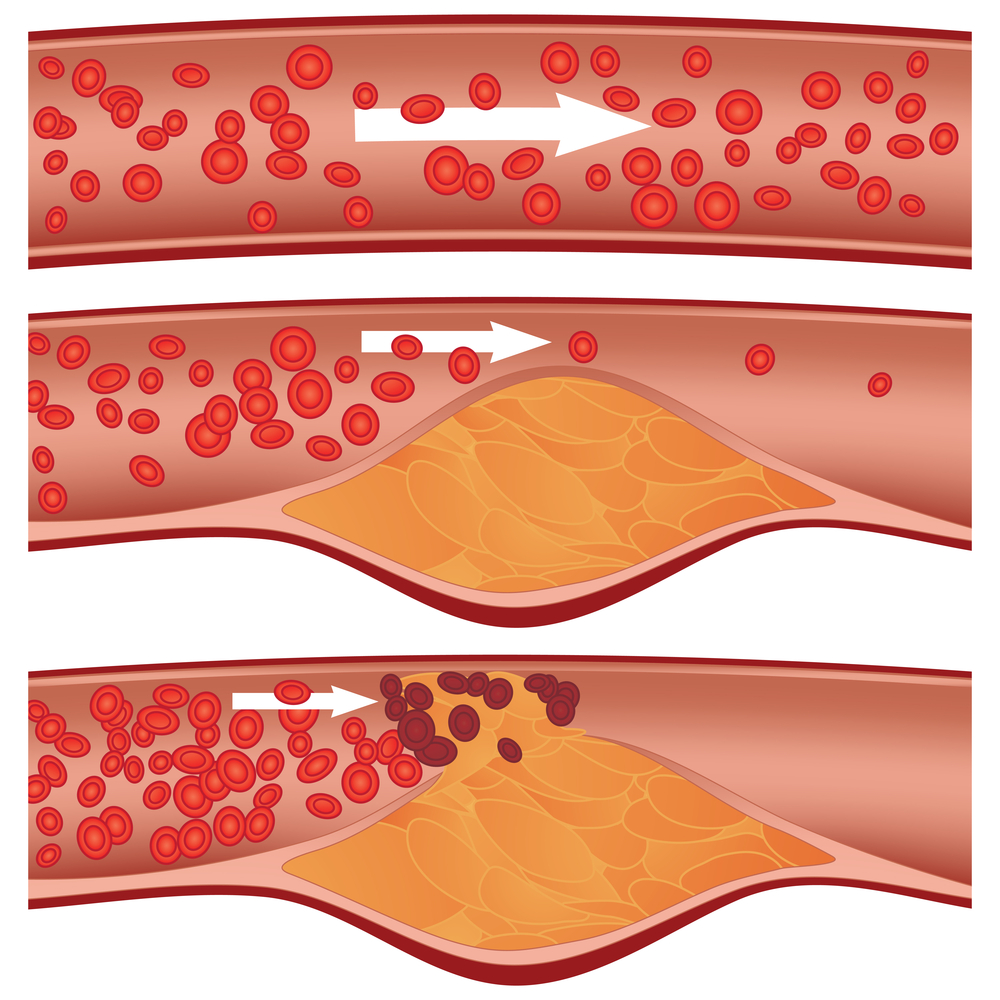
Inflammation: From Friend to Foe
Understanding the role of inflammation is crucial here. Short-term inflammation is beneficial—it's your body's natural response to injury or infection. Think of the redness and swelling around a cut; that's inflammation at work. However, when inflammation persists for too long, it transforms from a protector into a saboteur.
Chronic inflammation is increasingly linked to a wide range of modern illnesses, including heart disease, type 2 diabetes, Alzheimer's, certain cancers, and autoimmune conditions like rheumatoid arthritis. It can silently and slowly interfere with normal bodily processes, such as cholesterol management.
This is where IDO1 becomes particularly dangerous: it's activated by inflammation, and in turn, it exacerbates the problem—including cholesterol buildup—by disabling macrophages. It's a vicious cycle, and scientists believe that breaking this loop could be key to achieving better health.
Not One, But Two Culprits Identified
As if IDO1 wasn't enough, the researchers also identified a second enzyme that worsens the problem: nitric oxide synthase, or NOS. While NOS typically helps produce nitric oxide, which is vital for relaxing blood vessels and maintaining healthy circulation, it forms a problematic partnership with IDO1 in this context.
Together, these two enzymes intensify inflammation's negative effects. When both are active, the body’s cholesterol regulation system becomes even more severely disrupted. This dual discovery has led scientists to consider a dual-blocking approach, where medications could be designed to shut down both enzymes simultaneously. Imagine it as cutting the power to two faulty switches instead of just one.
What This Could Mean for Millions
According to Dr. Mandal, the implications of this research extend far beyond mere laboratory curiosity. "This could change how we treat diseases tied to inflammation and cholesterol," he explains. "Instead of only focusing on lowering cholesterol with drugs like statins, we may now have the option to prevent that buildup in the first place by targeting the inflammation that causes it."
This innovative approach could be a major leap in how we manage diseases affecting millions globally. Envision treatments that not only keep cholesterol in check but also reduce inflammation, lower the risk of heart attacks, and potentially slow the progression of other chronic conditions like Alzheimer's and even certain cancers.
Furthermore, because IDO1 is present in various parts of the body, including the brain, this discovery could also help researchers unlock clues to conditions like dementia or depression, both of which have been linked to inflammation and immune dysfunction.
What Happens Next?
This groundbreaking discovery is just the beginning. The researchers are now investigating how IDO1 interacts with other bodily systems and whether other enzymes or molecules play supporting roles in this complex cholesterol-inflammation dynamic.
The ultimate goal is to develop safe, effective medications that can block both IDO1 and NOS without interfering with other critical bodily functions. If successful, this could lead to a new generation of "smart" anti-inflammatory drugs—medications that target the root causes of chronic disease rather than merely treating symptoms.
These potential new medications could complement existing treatments like statins or insulin, or even reduce the need for them in some individuals. They could also offer new hope for patients who don't respond well to current therapies, providing doctors with more options in the ongoing fight against chronic illness.
Final Thoughts: The Power of Small Discoveries
It’s easy to overlook enzymes like IDO1, which are invisible to the naked eye and operate silently within our cells. However, discoveries like this powerfully remind us that sometimes, solving monumental problems begins with understanding the tiniest components.
A single molecular switch, flipped at the right moment, could be the crucial difference between widespread disease and enduring health. Thanks to a dedicated team of researchers in Texas—including seasoned scientists, students, and postgrads who contributed to this breakthrough—we may be closer than ever to flipping that switch in our favor.
News in the same category
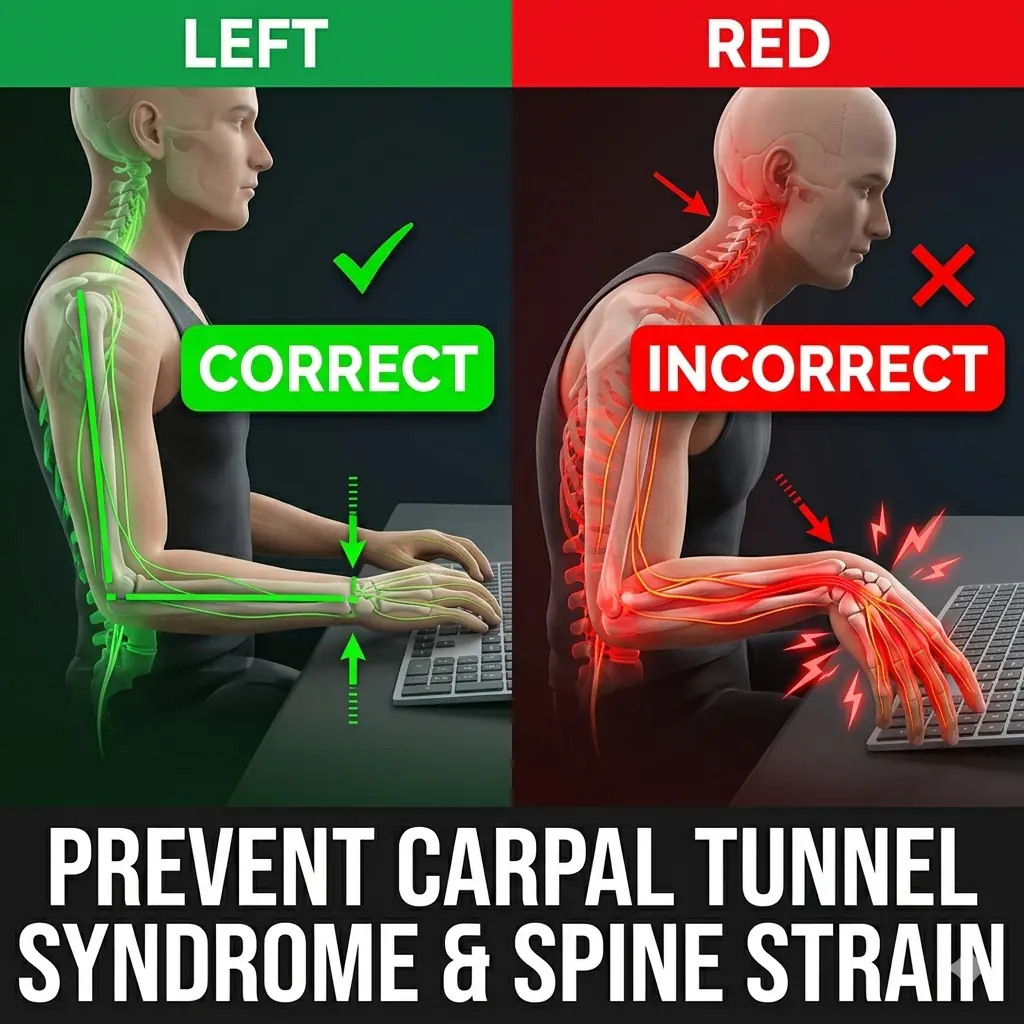
Correct vs Wrong Sitting Posture: How Poor Wrist Position Can Damage Your Nerves
Many people believe that storing leftovers in the fridge automatically makes them safe to eat the next day
Doctors reveal that eating avocado causes... see more
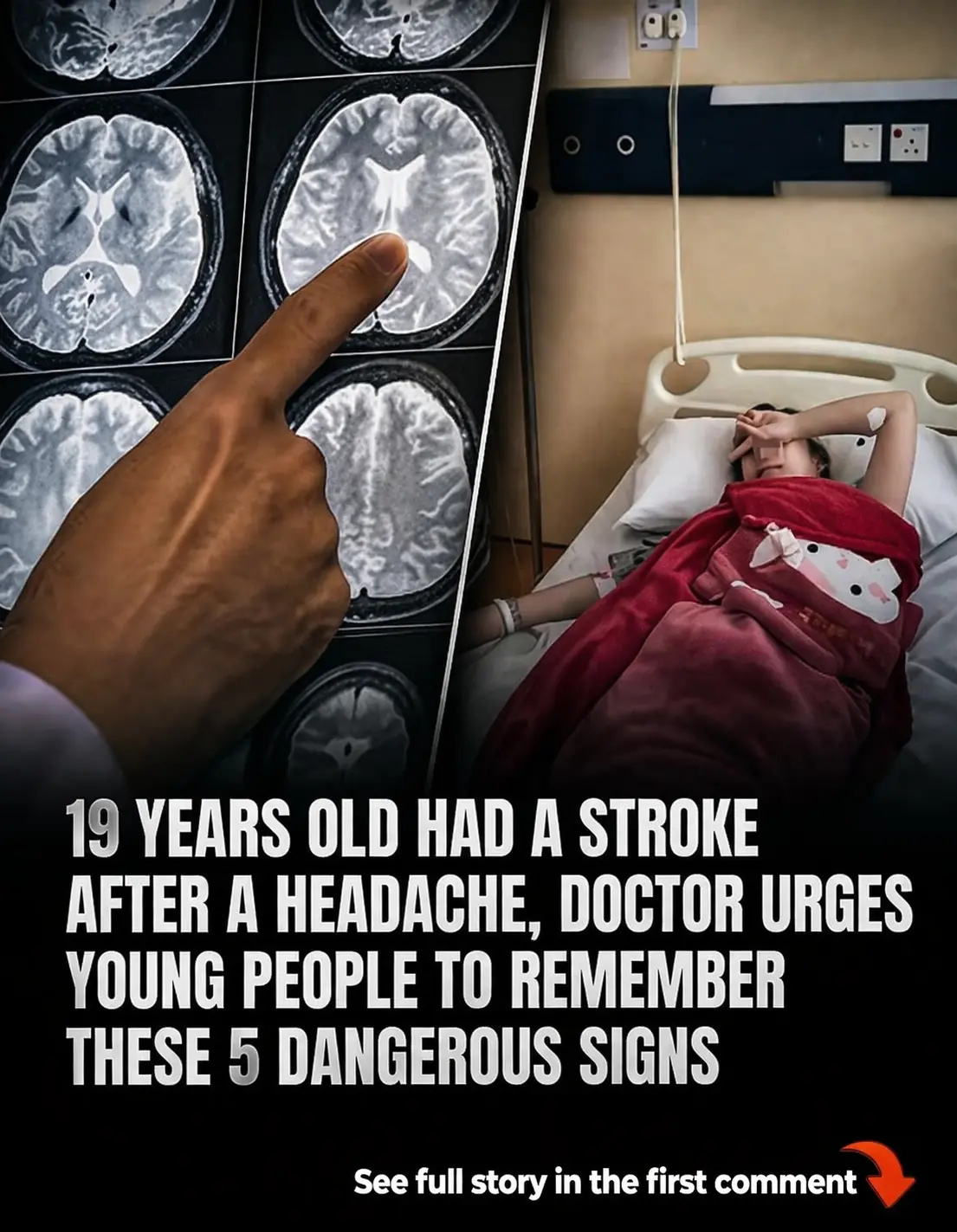
5 Alarming Stroke Warning Signs to Watch for in Young People

Is He Pulling Away? The Real Reason Your Partner Turns Their Back While Sleeping
If Your Cat Sleeps Next to You, It Might Be Trying to Tell You Somethin
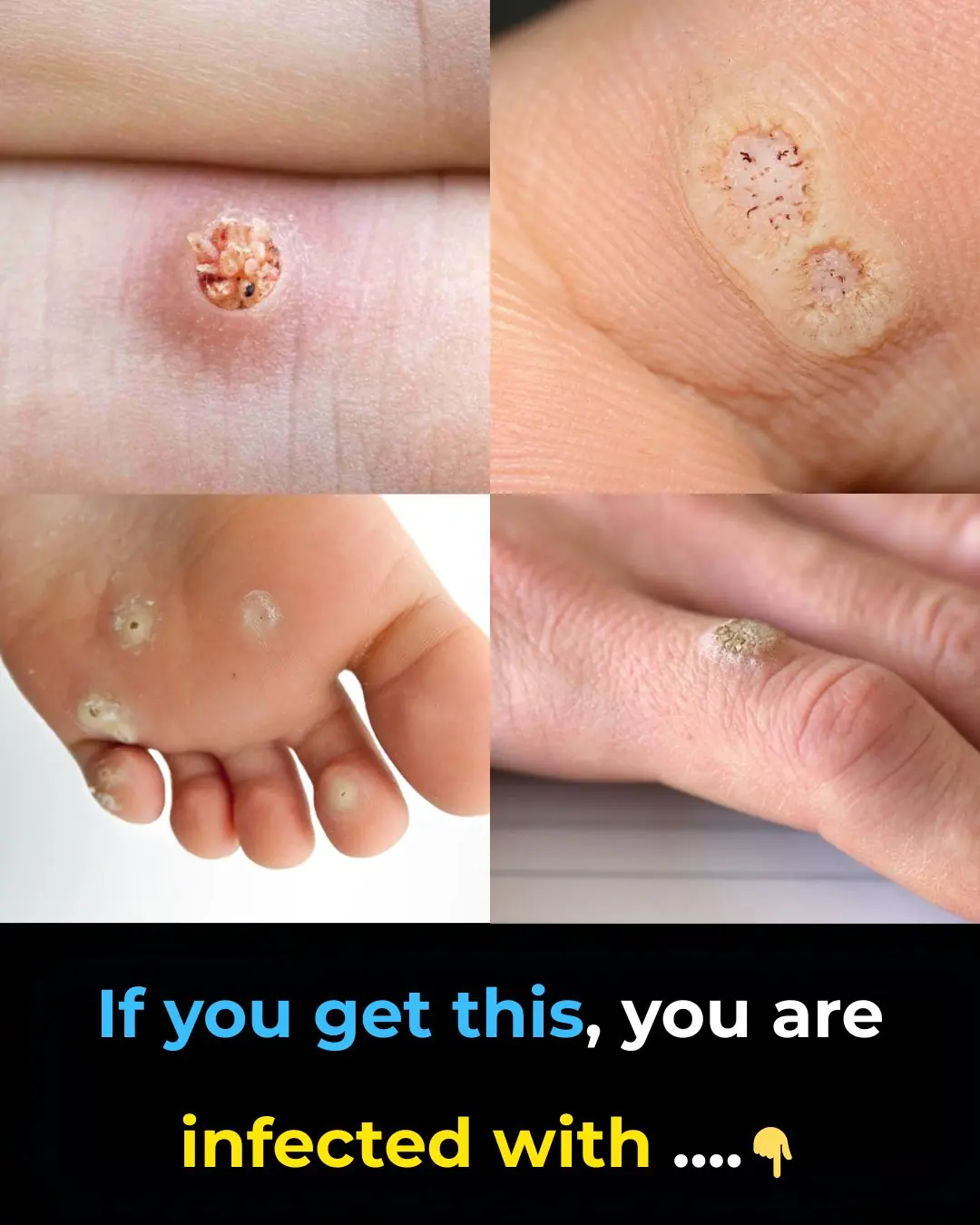
6 Types of Warts: Signs, Symptoms, Home Remedies, and Treatment
These are the Consequences of Sleeping with the Fan On
This Simple Night Routine May Help Protect Your Heart (And Most People Ignore It)

Cancer Often Shows No Pain at First – But These 8 Bathroom Warning Signs Should Never Be Ignored
8 of the Best Anti-Cancer Foods: It’s Time to Start Adding Them to Your Diet
Why Kidney Failure Is Striking the Young—And How to Stop It
Coughing Caused by Acid Reflux: Hidden Signs, Causes, and Effective Solutions
Deep Diaphragmatic Breathing
Tonsil Stones: Causes, Symptoms, and Solutions

Not Just Forgetfulness… Your Brain May Be Warning You
Summary: New Scientific Findings on the Causes of Autism
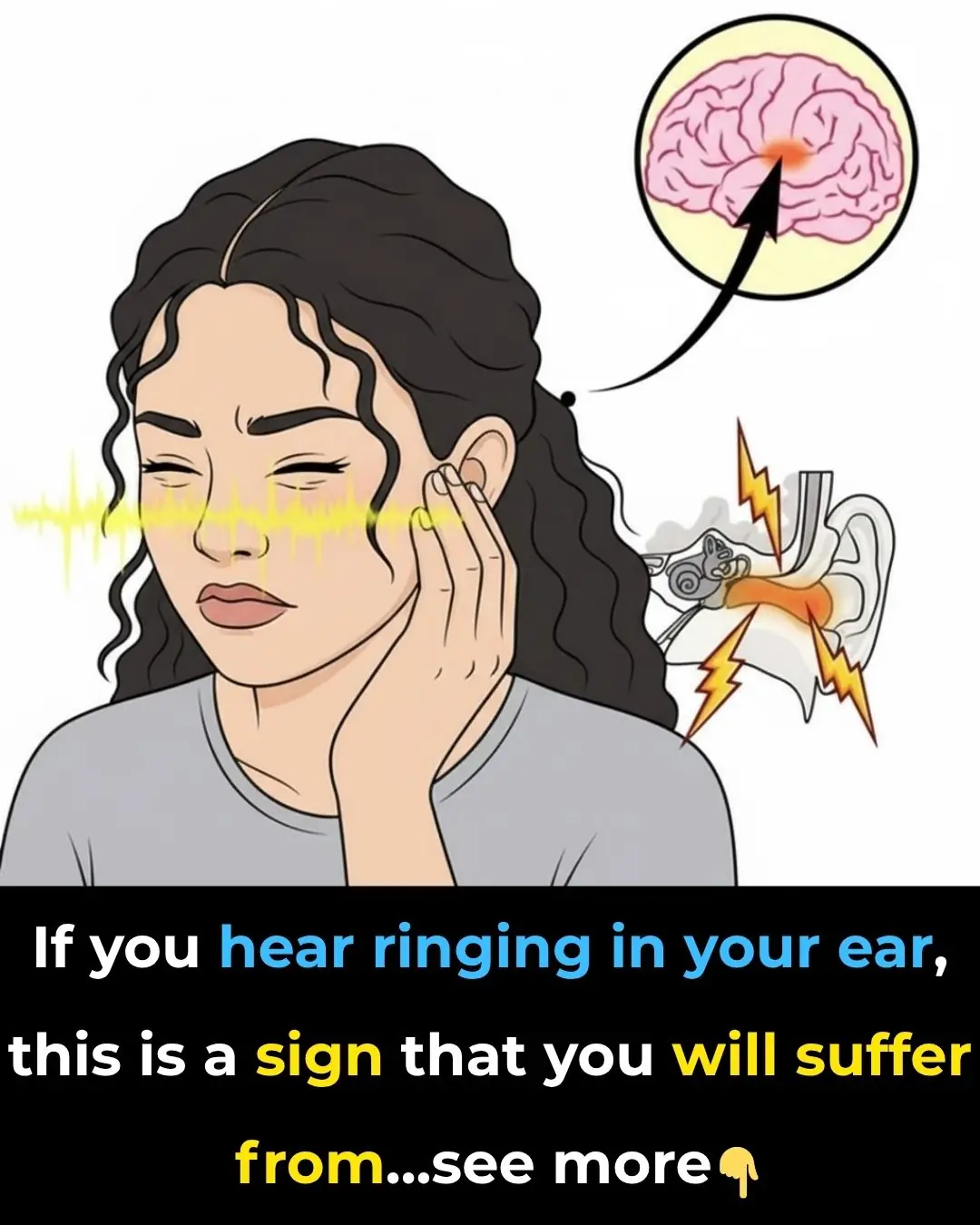
Ringing in Your Ear: Understanding Tinnitus
Say Goodbye to Joint and Foot Pain with a Relaxing Rosemary Bath
News Post

Which Chair Would You Choose? 🪑
Facts 11/04/2026 12:01

8 Reasons Why Adding Baking Soda to Your Toilet Tank Is a Must-Do Trick
Tips 11/04/2026 10:00

Iran Unable to Find Mines It Planted in Strait of Hormuz, U.S. Says
News 11/04/2026 09:59

6 Essential Vitamins and Minerals You Need After Age 40 to Stay Healthy and Look Younger
Garden Healthy 11/04/2026 09:28

🐶 How Many Dogs Do You See? This Viral Puzzle Might Reveal More Than You Think
Tips 11/04/2026 09:20
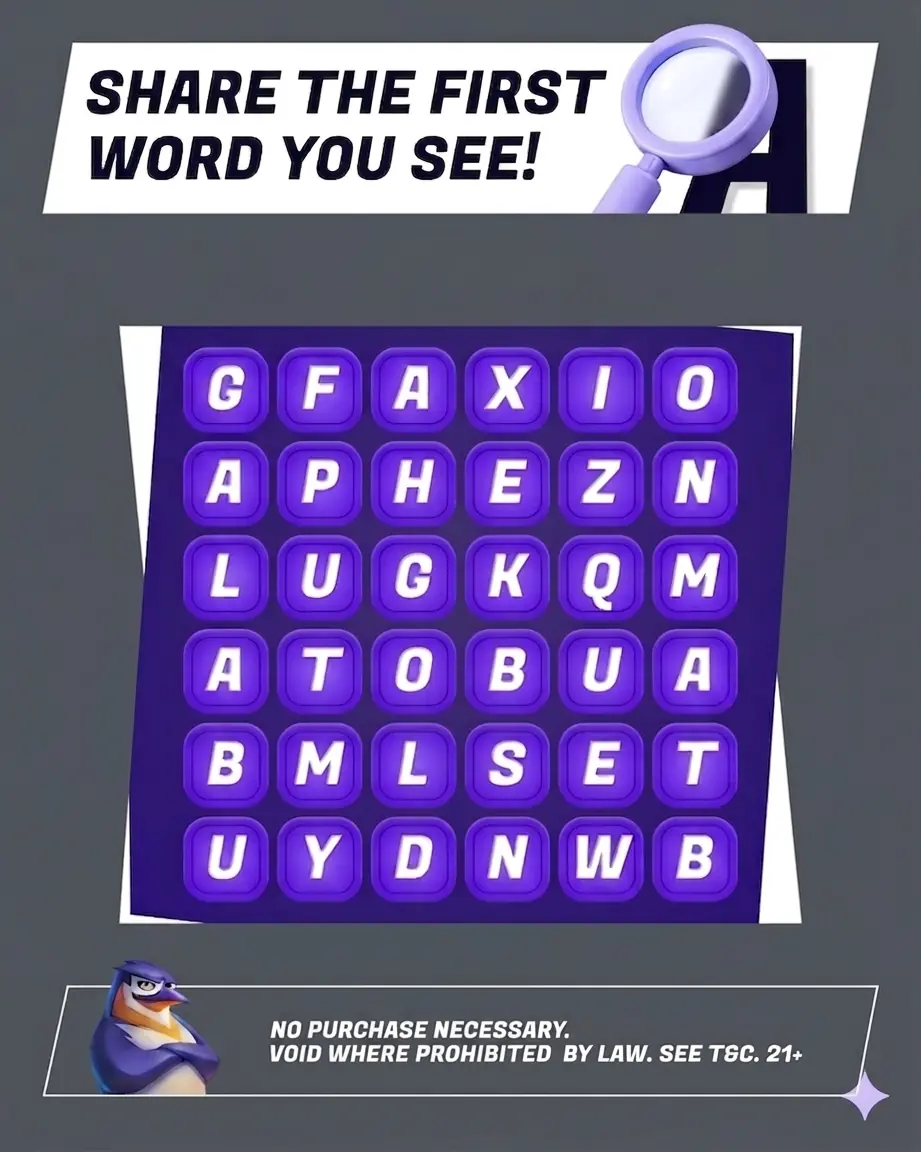
The Psychology of Word Searches: What Your First Word Says About You
Tips 11/04/2026 09:13
Blood Pressure Drug Recalled After Cancer-Causing Chemicals Detected: What You Need to Know
Health 11/04/2026 00:10

The Viral Video That Changed Everything. A Dog, a Family, and the Truth That Came Out
Life stories 11/04/2026 00:04
Correct vs Wrong Sitting Posture: How Poor Wrist Position Can Damage Your Nerves
Health 11/04/2026 00:03

The Arsenal of Democracy in Crisis: Why the US Needs China to Rebuild Its Weapons Stockpiles
News 10/04/2026 23:50

US-Iran Geopolitical Stalemate: Why Neither Side Can Sustain a Long-Term War
News 10/04/2026 23:41

Cop Assaults Black Navy SEAL At Grocery Store — Security Camera Exposes Him
Life stories 10/04/2026 23:40

The Boy Who Saw the Truth
Life stories 10/04/2026 23:09
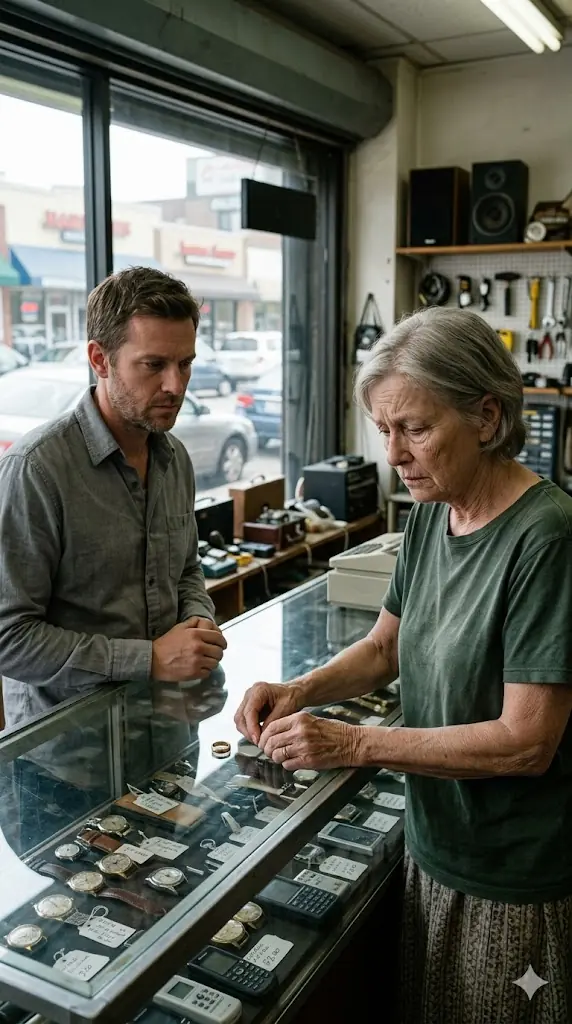
An Elderly Woman Tried to Pawn Her Wedding Ring to Save Her Sick Son — But What the Shop Assistant Did Left Everyone Stunned
Life stories 10/04/2026 22:51

She Was Judged by Her Clothes — Until the Truth Left the Restaurant in Shock
Life stories 10/04/2026 22:39

The Police Dog Wouldn’t Stop Barking at a Homeless Man. Seconds Later, Everyone Understood Why
Life stories 10/04/2026 19:41

In the courtroom, a woman rose from the defendant’s bench and stated in a calm voice that her dog would prove her innocence.
Life stories 10/04/2026 19:31

The day when, under a lead-colored sky, a dog began to look passersby in the eyes with such despair that even the busiest people stopped.
Life stories 10/04/2026 19:03
Many people believe that storing leftovers in the fridge automatically makes them safe to eat the next day
Health 10/04/2026 19:00

The 15th Floor Nightmare: When Man’s Best Friend Isn’t Human
Life stories 10/04/2026 18:42