My Neighbor Gave Me a Bag of These
Facts 02/04/2026 23:34
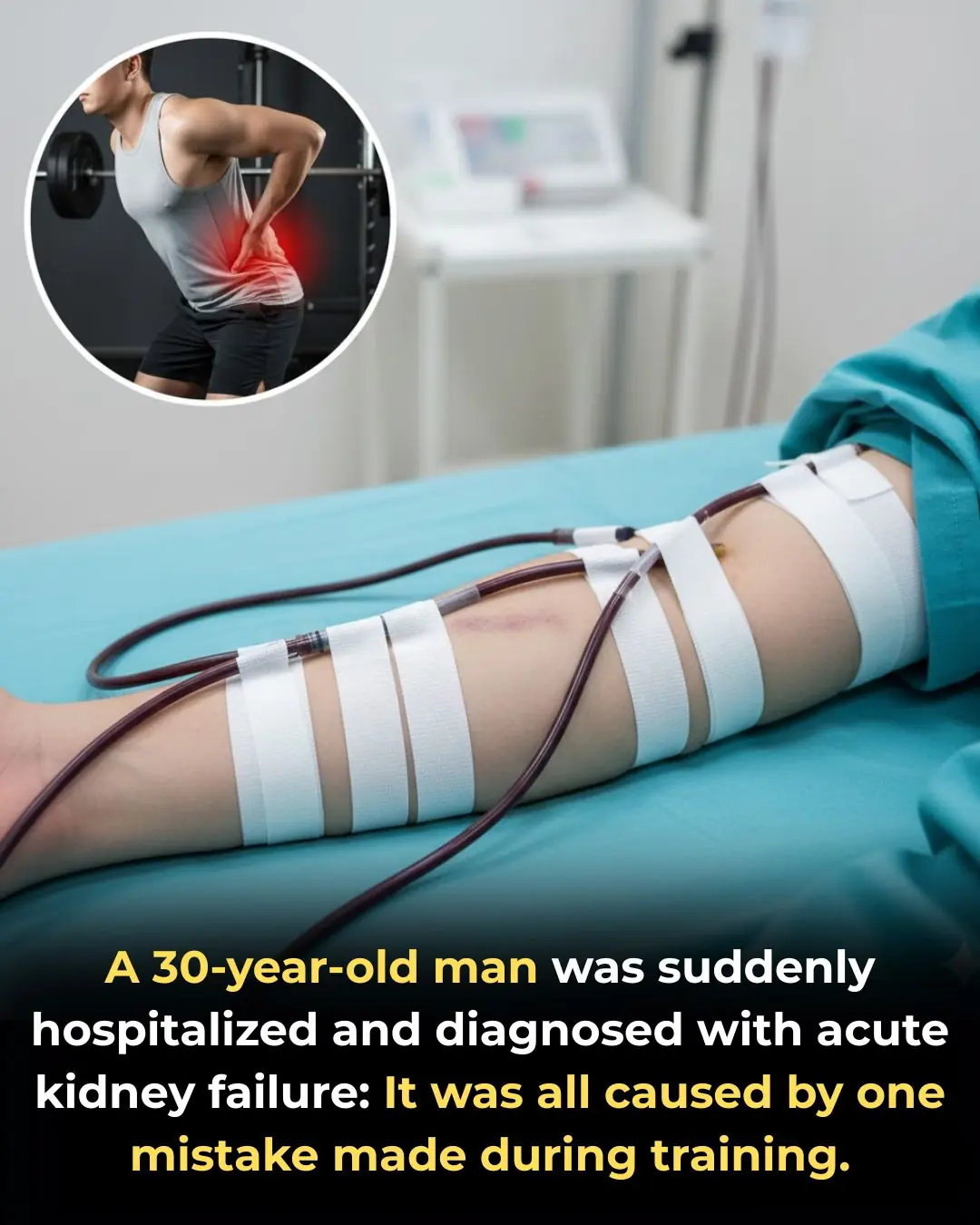
Exercise is essential for improving health, but doing it incorrectly can lead to severe consequences, even causing acute kidney failure, stroke, or death.
Thanh Nhan Hospital (Hanoi) recently admitted a man in his 30s who was in excruciating pain after lifting heavy weights. Examination revealed that the patient had developed acute kidney failure caused by rhabdomyolysis — a dangerous complication that often occurs from overexertion during physical activity.
According to Dr. Nguyen Dang Quoc, Head of the Dialysis Department at Thanh Nhan Hospital, improper exercise or excessive exertion can destroy muscle cells, releasing toxins that can lead to acute kidney damage.
"We have previously treated a case where a student had to undergo emergency dialysis due to rhabdomyolysis after doing 200 squats in a single workout session," Dr. Quoc shared.
Rhabdomyolysis occurs when muscle fibers break down due to excessive strain. The proteins from the muscle leak into the bloodstream and can become trapped in the kidneys, causing overload and potentially leading to kidney failure. In many cases, patients arrive at the hospital with signs of kidney damage and severe electrolyte imbalances, such as hyperkalemia and hyperphosphatemia, which can be life-threatening.
The initial symptoms of rhabdomyolysis often include muscle pain, dark urine (similar to cola), and fatigue — which can easily be overlooked as typical post-workout soreness. However, without prompt treatment, the condition can progress to kidney failure or even sudden death.
Experts warn that those who are not accustomed to regular exercise should always start with a proper warm-up and gradually increase intensity. Sudden, intense physical activity can cause the body to be unable to adjust, leading to muscle and kidney damage.
Improper exercise can also lead to serious cardiovascular complications, including heart attacks, cardiac arrest, hypertension, and brain hemorrhage, especially for individuals with underlying health conditions who have not been properly screened before exercising.
Dr. Doan Du Manh, a member of the Vietnam Vascular Society, pointed out:
"When playing sports, the heart rate increases. If the individual has pre-existing cardiovascular disease or hypertension and it’s not well managed, the risk of cerebral ischemia or stroke is significantly higher."
Strokes related to exercise typically occur in two forms:
Ischemic Stroke: A blockage in the blood vessels prevents blood from reaching the brain, causing tissue death.
Hemorrhagic Stroke: A blood vessel ruptures, leading to bleeding in the brain and tissue damage.
Dr. Manh advises that fainting or lightheadedness after exercise could be a warning sign of an impending serious stroke.
Statistics show that about 80% of sudden deaths during exercise occur in individuals with underlying cardiovascular diseases, which may either be diagnosed but neglected, or undiagnosed due to insufficient screening.
Some dangerous conditions, such as Brugada syndrome, WPW syndrome, and hypertrophic cardiomyopathy, may not show obvious symptoms but can lead to sudden arrhythmias, low blood pressure, and cardiac arrest under exertion.
“Exercise is excellent, but it should be done properly, with guidance and regular health monitoring, especially for older individuals or those with underlying health conditions,” Dr. Manh advised.