Orange Juice May Be Quietly Protecting Your Heart—Here’s What New Research Reveals
Health 04/12/2025 10:48
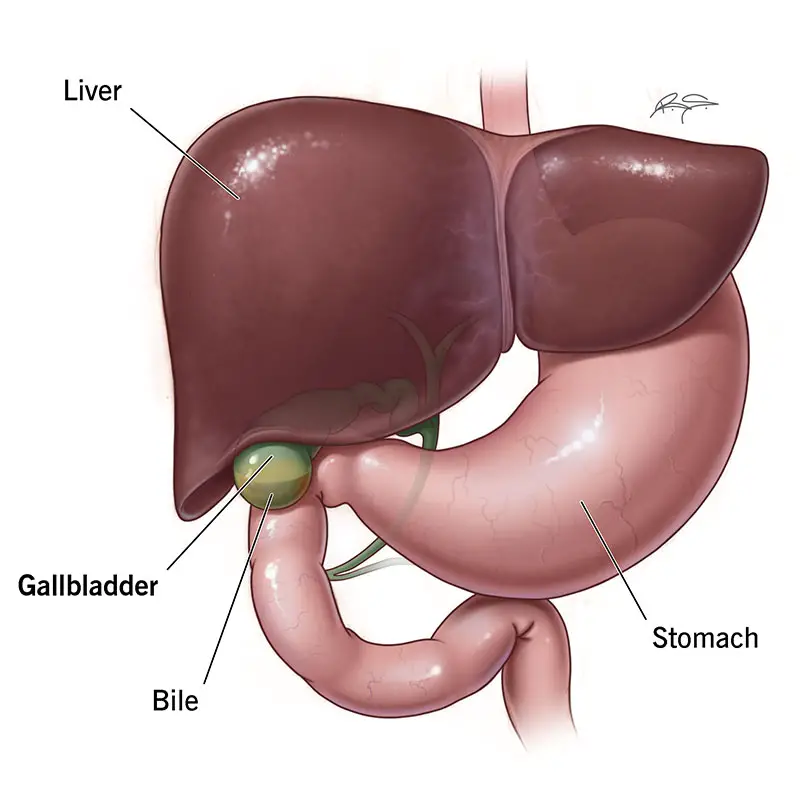
The gallbladder is a small, pear-shaped organ located beneath the liver. Its main function is to store and release bile—a greenish fluid that helps your body digest fats.
This tiny yet important organ can be affected by several conditions, the most common being gallstones. Other issues include acute cholecystitis, gallstone pancreatitis, and, in rare cases, gallbladder cancer. When the gallbladder becomes diseased, it often causes pain that may radiate to the back or chest. People may also experience fever, itching, fatigue, bloating, and nausea.
Most gallbladder-related conditions are treated with complete surgical removal of the organ, a procedure known as cholecystectomy. Because the gallbladder is not essential for survival, people can live normally without it.
After surgery, many patients experience temporary side effects. According to the Mayo Clinic, diarrhea and bloating are common in the early recovery phase because bile is released directly into the intestines instead of being stored in the gallbladder. Although the procedure is considered safe, complications—though rare—can include bleeding, bile duct injury, bile leakage, deep vein thrombosis, and accidental injury to the intestines or blood vessels.
Following surgery, patients are generally advised to avoid greasy or fatty foods. Dietary changes often lead to weight loss during the recovery period.
In the first few days, doctors recommend consuming clear liquids, gelatin, and broth, then gradually introducing small portions of solid foods. A post-surgery diet should focus on low-fat options such as beans, oatmeal, whole grains, vegetables, fruits, and fat-free dairy products. A few days after the procedure, patients can start adding high-fiber foods like prunes, oat bran, chickpeas, beets, and okra. Foods rich in soluble fiber—such as wheat germ, legumes, carrots, nuts, potatoes, and spinach—are also beneficial.
Foods high in fat should be avoided. These include lard, butter, bacon fat, hot dogs, salami, processed baked goods, and pork. It is also best to limit sugary foods and caffeine.
Most people are able to return to work and resume normal activities within two weeks to one month after gallbladder removal.
1. Reflux Gastritis
When the gallbladder is removed, bile becomes less concentrated. Eating heavy or fatty foods may increase bloating, diarrhea, or bile reflux, which can irritate the stomach lining and lead to reflux gastritis.
2. Increased Risk of Colon Cancer
Without a gallbladder, secondary bile acids may increase and irritate the colon. Research shows that individuals who have undergone gallbladder removal have a slightly higher risk of developing colon cancer. For this reason, surgery is typically recommended only when necessary.
3. Common Bile Duct Stones
After surgery, the common bile duct becomes the main reservoir for bile. Over time, pressure and stagnant bile can contribute to the formation of bile duct stones.
Disclaimer:
This information is for educational purposes only and is not a substitute for professional medical advice, diagnosis, or treatment. Always speak with your doctor or healthcare provider about any health concerns or medications. Do not ignore medical advice because of information found here.