Asthma is one of the most common chronic conditions in children, affecting millions worldwide. Yet despite how widespread it is, many parents miss the early warning signs—often confusing symptoms for allergies, colds, or simple fatigue. Childhood asthma can be well-managed, but only when recognized early. When left untreated, it can cause frequent hospital visits, nighttime breathing difficulty, and even long-term lung damage.
This article helps parents understand what early asthma looks like, what triggers symptoms, how doctors diagnose the condition, and the right steps to protect a child’s long-term health.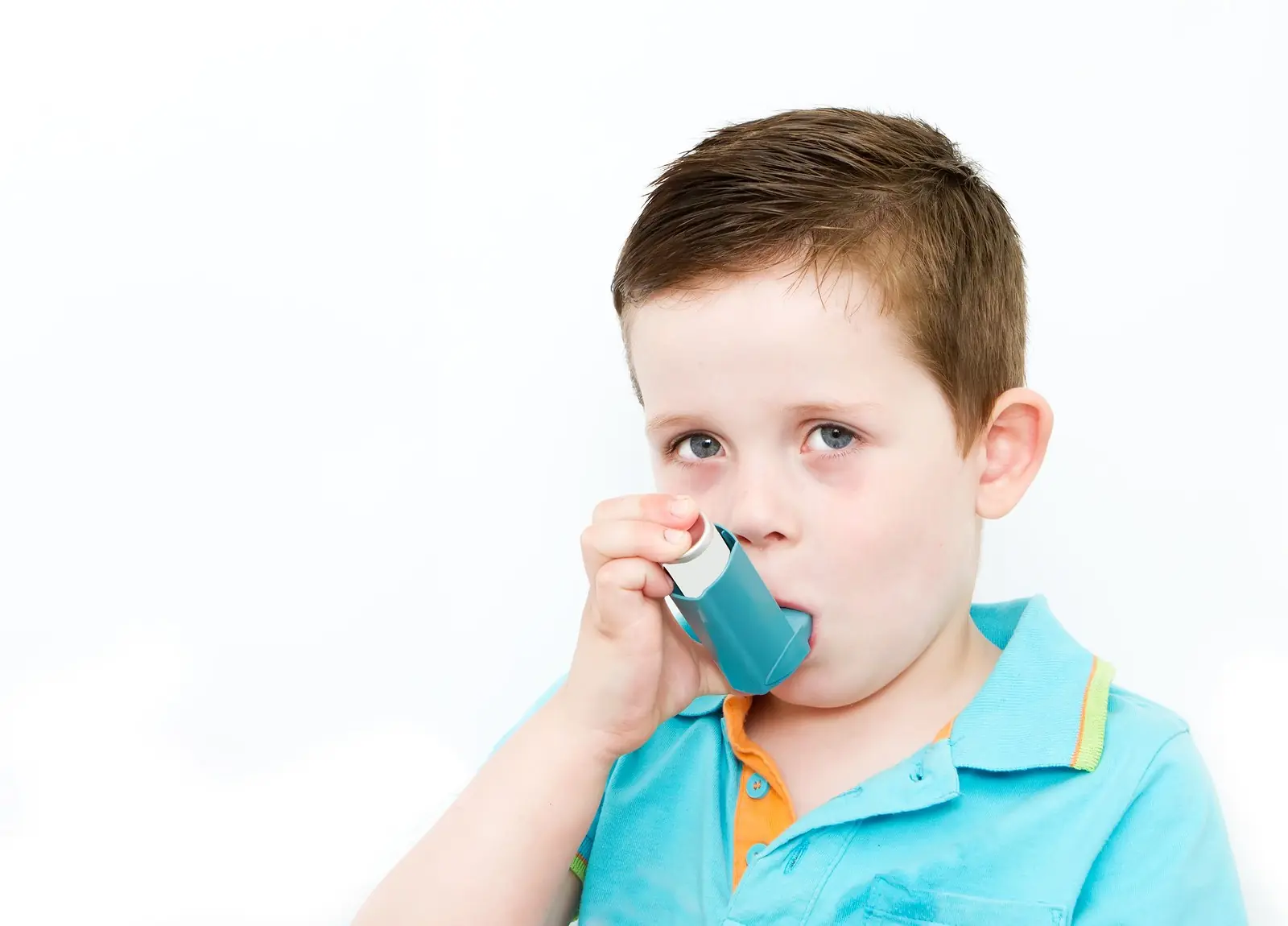
What Is Asthma in Children?
Asthma is a chronic inflammatory disease of the airways. When a child with asthma is exposed to triggers, their airways become swollen, narrowed, and filled with mucus. This leads to difficulty breathing, wheezing sounds, and coughing fits.
Children are more vulnerable because their airways are smaller and more reactive than adults'. The earlier asthma is identified, the easier it is to manage with proper treatment and lifestyle changes.
Early Warning Signs Parents Often Miss
1. Persistent or Frequent Coughing
The most overlooked sign.
Asthma coughing:
-
Worsens at night
-
Happens after running or playing
-
Appears after laughing
-
Comes back during cold or allergy season
Many parents assume it’s “leftover cough from a cold,” but chronic nighttime cough is a major red flag.
2. Wheezing or Whistling Sounds
If you hear a high-pitched sound when your child exhales, this may indicate narrowing airways. Wheezing during sleep or post-exercise is especially concerning.
3. Shortness of Breath During Play
Kids naturally run out of breath while playing, but asthma breathlessness is different:
-
Your child stops mid-activity
-
They become anxious because they “can’t breathe”
-
Recovery takes longer
-
Breathing looks visibly labored
4. Chest Tightness or Discomfort
Children may describe it as:
-
“My chest feels tight.”
-
“Something heavy is on my chest.”
-
“It hurts to breathe.”
Young children often hold their chest with their hand during an episode.
5. Rapid, Shallow Breathing
Parents may notice their child breathing faster than usual or using extra muscles to breathe (ribs becoming visible with each breath).
6. Recurrent Respiratory Infections
Frequent bronchitis, prolonged colds, and lingering coughs often mask undiagnosed asthma. These infections flare inflammation and make symptoms worse.
Common Asthma Triggers in Children
Understanding triggers is crucial for preventing flare-ups.
1. Allergens
-
Dust mites
-
Mold
-
Grass, tree, and flower pollen
-
Pet dander
-
Cockroach debris
Children with allergies are far more likely to develop asthma.
2. Respiratory Infections
The #1 trigger in children under 5.
Colds, flu, and RSV cause inflammation that makes airway narrowing worse.
3. Physical Activity
Known as exercise-induced asthma.
Kids may cough or wheeze within minutes after starting or stopping exercise.
4. Cold Air
Very cold or dry air can irritate airways and trigger attacks.
5. Smoke and Air Pollution
Exposure to cigarette smoke (even secondhand), cooking fumes, and polluted outdoor air increases asthma symptoms drastically.
6. Strong Odors or Chemicals
Perfume, cleaning sprays, incense, and paint fumes can cause sudden flare-ups.
How Asthma Is Diagnosed in Children
1. Medical History and Symptom Review
Doctors ask about nighttime coughing, family history, triggers, and frequency of symptoms.
2. Lung Function Tests
For kids over age 5:
Spirometry
Measures how much air your child can exhale and how quickly.
Peak Flow Meter
Helps monitor lung function at home over time.
3. Trial Asthma Medication
If symptoms improve after using asthma medication, the diagnosis becomes more likely.
4. Allergy Testing
Identifying allergens helps create a better long-term management plan.
Treatment Options for Childhood Asthma
Asthma has no cure, but with proper treatment, children can live normal, active lives.
1. Quick-Relief (Rescue) Inhalers
Such as albuterol.
Used during an asthma attack to open narrowed airways quickly.
2. Long-Term Control Medications
Given daily to reduce airway inflammation:
-
Inhaled corticosteroids
-
Leukotriene modifiers
-
Combination inhalers
These are essential for preventing severe episodes.
3. Spacers and Nebulizers
Devices that help young children inhale medication properly.
4. Allergy Management
Avoiding allergens, using air purifiers, or taking antihistamines can reduce flare-ups.
5. Asthma Action Plan
A doctor-designed worksheet that helps parents recognize early symptoms and know exactly what steps to follow in emergencies.
Emergency Warning Signs (When to Seek Help Immediately)
-
Lips or face turning blue
-
Child struggling to speak full sentences
-
Chest or neck pulling inward when breathing
-
No improvement even after using rescue inhaler
-
Breathing is extremely fast or noisy
-
Child becomes unusually tired or confused
Asthma attacks can escalate quickly—prompt treatment can be lifesaving.
Can Children Outgrow Asthma?
Some children experience fewer symptoms over time, especially if asthma started very young.
However, many do not outgrow it. Even when symptoms disappear, airway sensitivity may remain.
Early treatment improves the chances of long-term control.
How Parents Can Support a Child With Asthma
-
Keep the home clean and dust-free
-
Reduce exposure to smoke and strong odors
-
Install air purifiers
-
Use mattress and pillow covers
-
Track triggers and symptoms
-
Ensure daily medication (if prescribed)
-
Teach children how to use inhalers correctly
-
Follow the asthma action plan
-
Schedule regular checkups
Conclusion
Asthma in children can be frightening for both parents and kids, but early recognition changes everything. Identifying symptoms while they’re mild leads to better control, fewer emergency visits, and a healthier childhood. By understanding triggers, following treatment, and watching for red flags, parents can help their child breathe easier every single day.