Tired of achy legs? Discover 6 vitamins that can fix varicose veins and boost circulation!
Health 12/12/2025 23:55
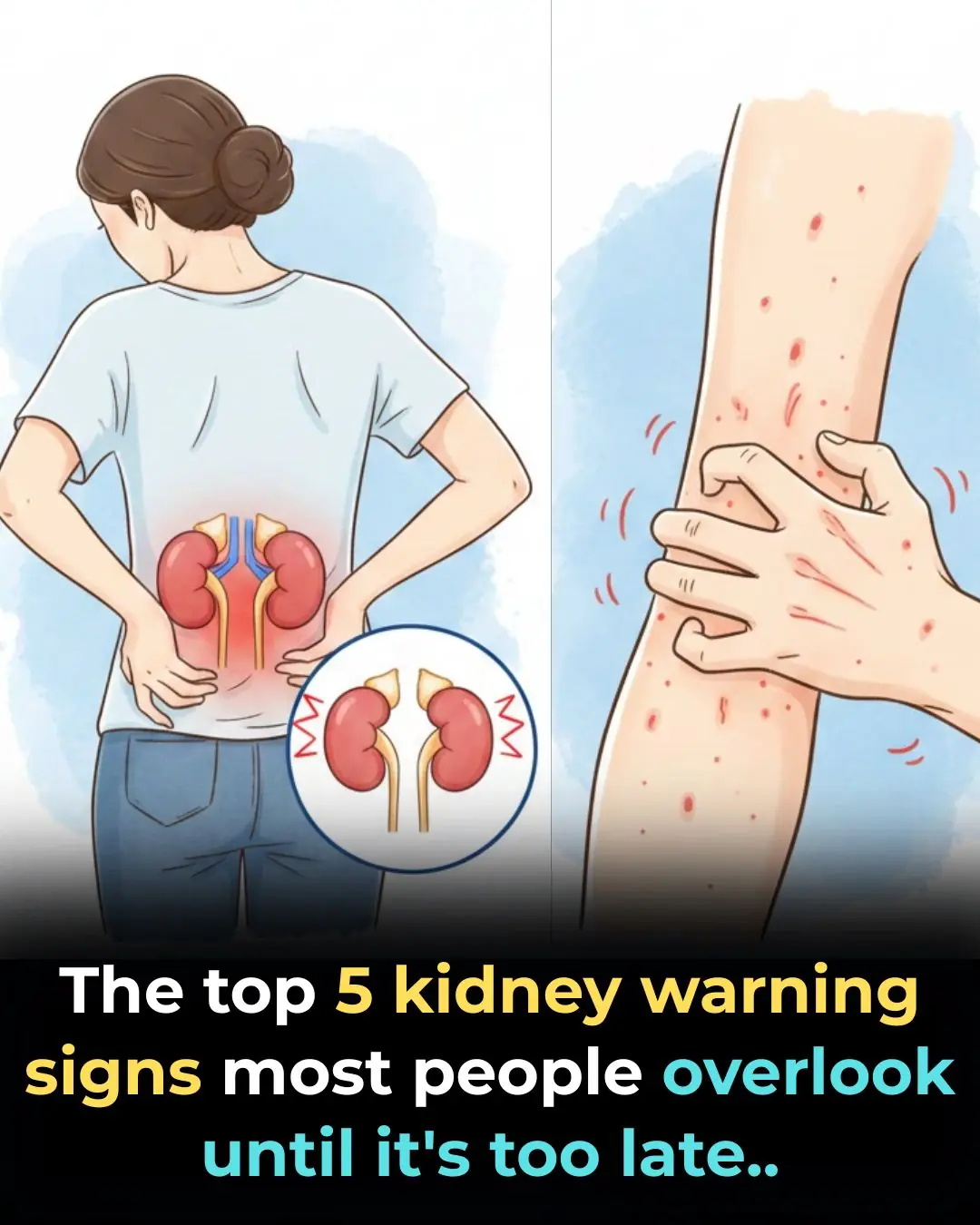
Your kidneys do far more than quietly filter waste from your blood. These hardworking organs play a key role in maintaining the balance of four crucial electrolytes that keep your muscles functioning properly:
Helps nerves send electrical signals that activate muscle fibers.
Triggers the contraction phase of the muscle cycle.
Allows muscles to relax after contracting.
Regulates fluid balance and helps generate nerve impulses.
When kidney function declines — whether from chronic kidney disease (CKD), diabetes, high blood pressure, or other conditions — these electrolytes can drift out of balance. Even slight shifts can increase the likelihood of muscle cramps, especially in the legs.
Leg cramps are one of the most common symptoms reported by people with CKD and those undergoing dialysis. Here’s what’s happening beneath the surface:
Damaged kidneys struggle to maintain proper levels of potassium, calcium, and magnesium.
Too much potassium can disrupt nerve signaling.
Too little magnesium makes muscles more excitable and prone to cramping.
Calcium fluctuations can trigger involuntary tightening.
📌 Example: Low magnesium levels are strongly linked to higher cramp frequency in CKD patients.
Dialysis rapidly removes fluid and toxins from the blood. These sudden shifts can stress muscles and nerves.
Electrolyte levels can change quickly during treatment
Muscles react to these changes with sudden contractions
🧪 Up to 60% of dialysis patients report regular leg cramps, according to NIH research.
Some medications commonly used in kidney and heart conditions affect mineral balance.
Diuretics (“water pills”) can lower potassium and magnesium
Certain heart medications influence electrolyte signaling
Some drugs change nerve sensitivity
🩺 Never adjust or stop medication without consulting your healthcare provider.
In later stages of CKD, toxin buildup can irritate or damage nerves.
This may cause:
tingling
numbness
twitching
frequent or painful muscle cramps
💡 This typically appears in advanced CKD, not early stages.
Most leg cramps have nothing to do with kidney disease. But certain patterns make it worth checking kidney function:
🔴 Frequent nighttime cramps (3+ times weekly)
Especially if the cramps are new, worsening, or waking you up.
🔴 Existing risk factors
Diabetes, high blood pressure, obesity, or a family history of kidney disease.
🔴 Swollen ankles or feet
Can indicate fluid retention from declining kidney function.
🔴 Changes in urination
Foamy, dark, frequent, or noticeably reduced urine.
🔴 Other symptoms of toxin buildup
Fatigue, nausea, metallic taste, dry or itchy skin.
🩸 A simple blood test (creatinine, eGFR, electrolytes) and urine test can quickly assess kidney health.
For most people, cramps come from everyday habits:
Drink water consistently throughout the day.
Include foods like bananas, spinach, nuts, and avocados.
Regular walking improves circulation and muscle stability.
Take breaks to stretch your calves.
Some prescriptions list cramps as a side effect.
Stretching before bed and staying hydrated often helps.
💡 Gentle calf stretching at night can reduce the frequency of nighttime leg cramps.
These habits benefit your muscles and your kidneys:
(Unless you have fluid restrictions.)
Hydration keeps muscles functioning and supports filtration.
Fruits and vegetables offer natural magnesium and potassium.
Excess sodium strains the kidneys and increases fluid retention.
Movement improves circulation and keeps muscles flexible.
Both harm kidney function and blood vessels.
🩺 If you have CKD: Work with a nephrologist and renal dietitian to manage electrolyte levels safely.
❌ “Every leg cramp means my kidneys are failing.”
False — most cramps come from dehydration or muscle fatigue.
❌ “I’ll flush out kidney problems by drinking more water.”
Hydration helps, but it cannot reverse kidney damage.
❌ “Only older people need to worry about kidney disease.”
Younger adults with diabetes or high blood pressure are also at risk.
❌ “Detox teas clean the kidneys.”
Myth — your kidneys and liver already detox naturally.
You don’t need to panic every time your leg tightens in the night.
But you should pay attention when cramps become frequent, intense, or accompanied by other symptoms.
Sometimes your body whispers before it shouts.
A cramp can be just a tired muscle — or a gentle nudge to check in on your health.
Because real wellness isn’t about ignoring discomfort.
It’s about listening early, acting wisely, and trusting your body enough to follow up.
And that kind of care?
It starts with one simple moment of awareness — and one decision to pay attention.