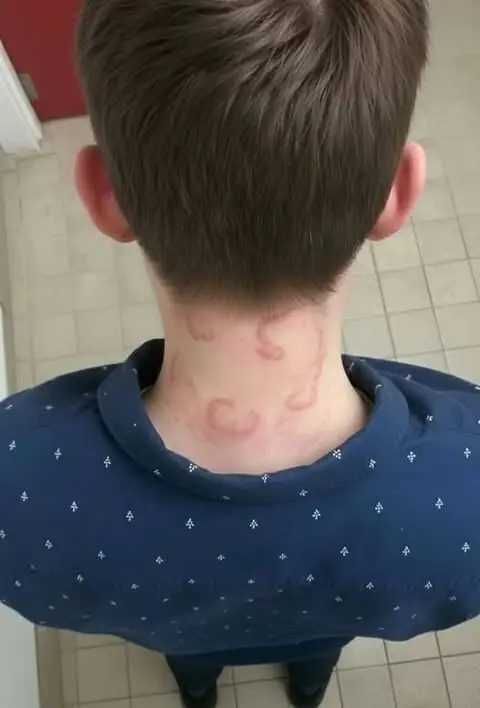
Ringworm 101: Causes, Symptoms, and Simple Remedies You Can Try at Home
Health 24/05/2026 16:27
A blood clot in your leg is a serious medical condition that requires prompt attention. While some blood clots are harmless, a clot that forms deep within a vein, a condition known as deep vein thrombosis (DVT), can have life-threatening consequences. DVT can lead to a pulmonary embolism (PE), where a piece of the clot breaks off and travels to the lungs, blocking a pulmonary artery.
Understanding the signs and symptoms of DVT is crucial for early detection and treatment. This article will help you identify the common warning signs of a blood clot in the leg and explain what to do if you suspect you have one.

A blood clot (or thrombus) is a gel-like mass formed by platelets and proteins in the blood. Clotting is a natural and necessary process that helps stop bleeding after an injury. However, when a clot forms unnecessarily inside a blood vessel, it can become a problem. DVT most commonly occurs in the deep veins of the lower leg or thigh.
Blood clots in the legs are typically caused by conditions that disrupt normal blood flow. Several factors can increase your risk:
Prolonged Immobility: Sitting for long periods, such as on a long-haul flight or during a long car ride, can cause blood to pool in your lower legs. Similarly, being bedridden after surgery or illness is a major risk factor.
Injury to the Veins: Damage to the lining of a vein from surgery, trauma, or a broken bone can trigger a clot.
Hormonal Changes: Pregnancy, and the use of hormonal birth control or hormone replacement therapy, can increase the risk of clotting.
Medical Conditions: Obesity, cancer, heart disease, and inherited clotting disorders can all increase the likelihood of DVT.
The signs of DVT often appear in one leg and can be subtle at first. It’s important to be aware of the following symptoms:
Swelling in the affected leg, ankle, or foot is one of the most common signs of DVT. The clot can block blood from flowing back to the heart, causing fluid to build up in the tissues. The swelling may feel tender and warm to the touch.
The pain from a DVT can feel like a persistent ache, a dull throbbing, or a sharp cramp. It may worsen with movement or when you bend your foot toward your knee. The pain can be localized to the calf or can be felt throughout the leg and thigh.
The skin over the clot may become reddish or bluish. This is caused by blood pooling in the area and is often accompanied by a feeling of warmth.
The skin around the affected area may feel noticeably warmer than the surrounding skin. This is due to the inflammation and blood pooling around the clot.
A pulmonary embolism is a life-threatening complication of DVT. Seek immediate medical attention if you experience any of the following symptoms, as they may indicate a clot has traveled to your lungs:
Sudden Shortness of Breath: This is the most common symptom of a PE.
Chest Pain: Sharp, stabbing chest pain that may worsen with a deep breath or a cough.
Rapid Heart Rate: An unusually fast or irregular heartbeat.
Coughing: May produce blood or pinkish, frothy sputum.
Lightheadedness or Dizziness: A feeling of faintness.
The best way to avoid DVT is to stay active.
Move Around: If you have to sit for long periods, get up and walk every hour or two. While seated, you can do leg exercises like ankle rotations and calf raises.
Stay Hydrated: Drinking plenty of water helps prevent your blood from becoming too thick.
Wear Compression Stockings: These can help improve blood flow in your legs, especially during long periods of sitting or travel.
If you are diagnosed with DVT, your doctor will likely prescribe blood-thinning medication (anticoagulants) to prevent the clot from growing and to allow your body to dissolve it over time. In some severe cases, more aggressive treatments may be needed.
Because the consequences of DVT can be fatal, you should never ignore the warning signs. If you notice any of the symptoms listed above, especially if they are unexplained and occur in only one leg, contact your doctor or seek emergency medical care right away. Early diagnosis is critical to a full recovery.