Body Suddenly Jerks While You’re Falling Asleep? This Is What It Means
You’re finally in bed after a long, exhausting day, just beginning to sink into deep sleep—when suddenly, you feel like you’re falling. Your body jerks, jolting you awake. It’s abrupt, intense, and unsettling.
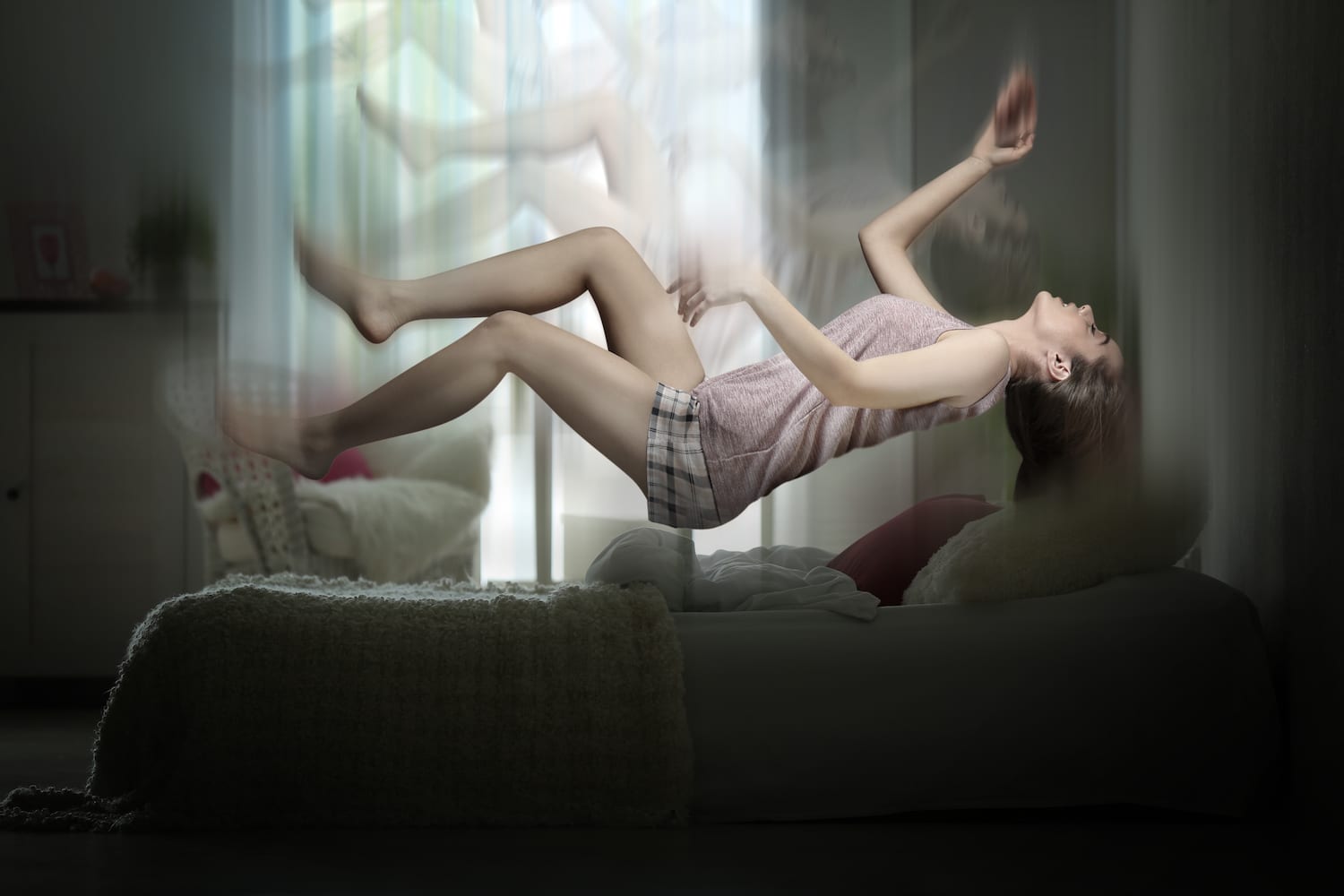
That sensation is called a hypnic jerk—also known as a sleep start. If you’ve experienced it, you’re in the majority, as up to of people report having these involuntary muscle spasms at some point.
What Are Hypnic Jerks?
Hypnic jerks are sudden, involuntary muscle contractions that occur in the transitional period as you are drifting off to sleep (the hypnagogic state). They can feel like:
-
A full-body jolt or twitch.
-
A sensation of falling or tripping.
-
A sudden, powerful contraction of one limb.
Though they are not dangerous and are considered a normal part of the sleep process, they can be disturbing, especially if they are frequent enough to disrupt the onset of sleep.
Why Do Hypnic Jerks Happen? The Science
While scientists haven't agreed on a single definitive cause, the leading theories center on a miscommunication between the brain and the body as the nervous system transitions to rest mode.
-
The Nervous System Misfire: As you fall asleep, your heart rate and breathing slow, and your muscles relax rapidly. One theory suggests the hypnic jerk is a harmless "misfire" as the motor system transitions from active (wakefulness) to passive (sleep) states.
-
The Brain’s False Alarm (Ancient Reflex): This theory suggests that the brain mistakenly interprets the rapid muscle relaxation as a sign that the body is falling. To "protect" you, the brain sends a sudden signal to the muscles, causing the jerk as an outdated survival reflex kicking in at the wrong time.
What Triggers Frequent Hypnic Jerks?
While they can happen to anyone, hypnic jerks are more likely when the central nervous system is over-stimulated or deprived of rest. Common triggers include:
-
Caffeine or Nicotine Use: Especially consuming these stimulants late in the afternoon or evening.
-
Sleep Deprivation: Having an irregular sleep schedule or being overly exhausted.
-
High Stress or Anxiety: Elevated levels of mental tension keep the nervous system on high alert.
-
Vigorous Exercise: Intense activity too close to bedtime.
-
Stimulant Medications: Certain prescriptions, such as those for .
How to Reduce or Prevent Hypnic Jerks
Since hypnic jerks are a natural phenomenon and not a disorder, they typically don't require medication. Simple sleep hygiene and lifestyle adjustments can often reduce their frequency:
-
Mind Stimulants: Limit or eliminate caffeine and nicotine consumption, particularly after midday.
-
Establish a Routine: Stick to a consistent sleep schedule (waking up and going to bed at the same time) and avoid screens an hour before sleep.
-
Manage Stress: Practice calming routines before bed, such as deep breathing, meditation, or gentle yoga, to help the nervous system wind down.
-
Time Exercise Right: Avoid vigorous exercise in the late evening, opting for relaxing activities instead.
While the sensation might be intense or even frightening, hypnic jerks are a normal and common part of the sleep process for the majority of people. Implementing a few mindful habits can go a long way in ensuring a more peaceful transition into sleep.