
Fears of a Texas Serial Killer Intensify After Three More Bodies Are Recovered from Houston Bayous
News 07/01/2026 21:35
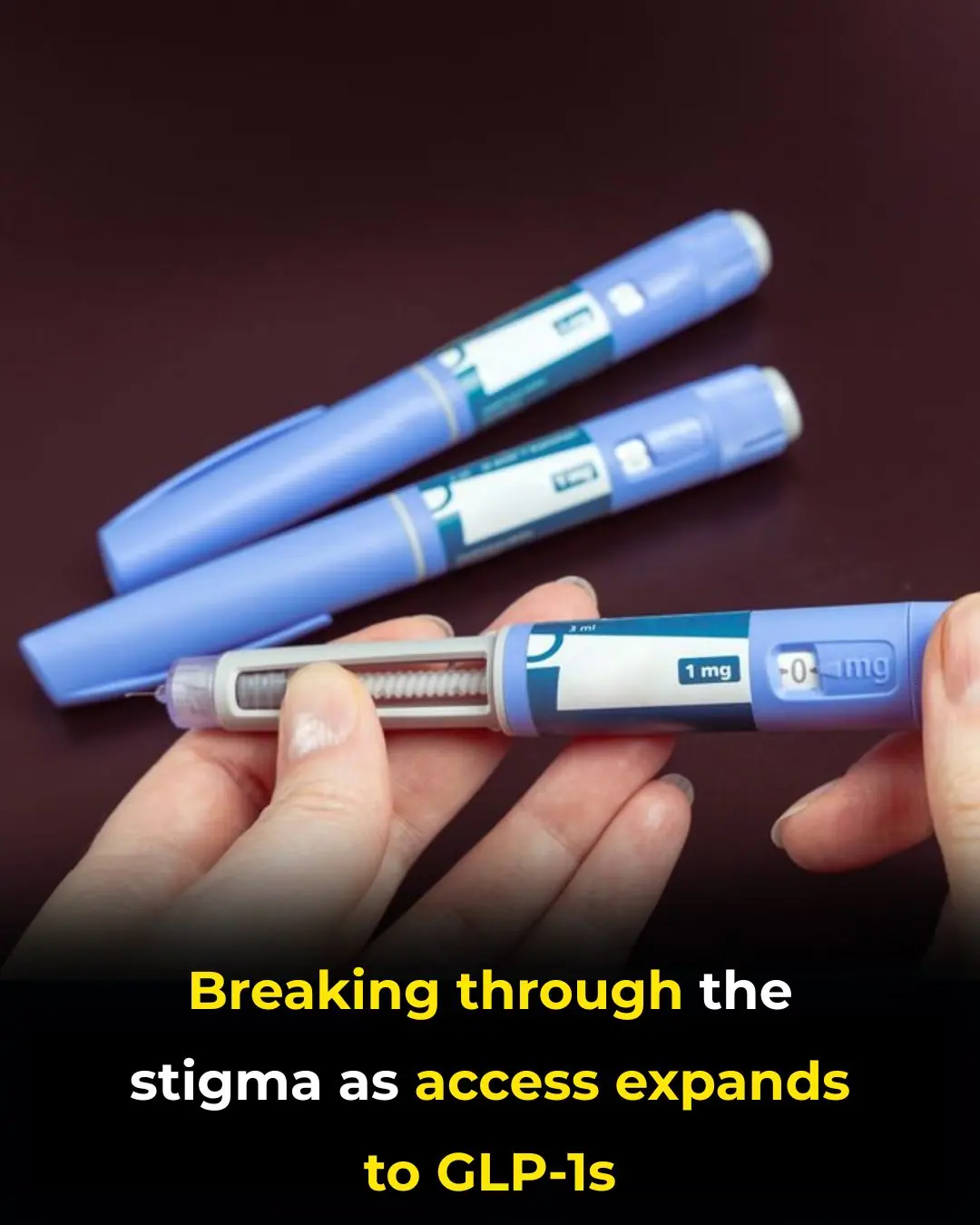
As GLP-1 receptor agonists move into wider use for the treatment of type 2 diabetes and obesity, primary care clinicians are increasingly recognizing that prescribing these medications is only part of the challenge. Equally important—and often more complex—is the conversation that surrounds their use.
With growing public awareness, media attention, and demand for GLP-1 therapies, clinicians are navigating not only clinical decision-making but also deeply rooted stigma around weight, metabolism, and medication-assisted care. Experts say that how these conversations are framed at the primary care level can significantly influence patient trust, adherence, and long-term outcomes.
GLP-1 receptor agonists have demonstrated robust efficacy in improving glycemic control, promoting clinically meaningful weight loss, and reducing cardiometabolic risk. Yet many patients remain hesitant, confused, or conflicted when the topic is raised.
According to weight management specialists, patients often come to appointments with preconceived notions shaped by social media narratives, celebrity endorsements, and misinformation. Some worry that GLP-1s represent a “shortcut,” a failure of willpower, or a cosmetic rather than medical intervention.
For clinicians, addressing these concerns requires a deliberate shift away from transactional prescribing toward empathetic, patient-centered dialogue.
“Patients don’t just want to know how the drug works,” experts note. “They want to know what it says about them.”
One of the most effective ways to reduce stigma, clinicians say, is to consistently frame obesity as a chronic, relapsing, biologically driven disease, rather than a personal failing.
By explaining the roles of genetics, hormones, appetite regulation, and metabolic adaptation, clinicians can help patients understand why lifestyle changes alone may not produce sustained results—and why pharmacotherapy is a legitimate, evidence-based option.
This reframing also helps normalize GLP-1s alongside medications used for hypertension, dyslipidemia, or diabetes, reinforcing the idea that treating obesity medically is no different from treating any other chronic condition.
Subtle changes in language can have a powerful impact on how patients perceive GLP-1 therapy. Weight management experts emphasize avoiding terms that imply blame, moral judgment, or failure.
For example:
Replacing “You haven’t lost enough weight” with “Your body may be defending a higher set point”
Avoiding phrases like “last resort” or “extreme option”
Using neutral, respectful language when discussing weight and BMI
These adjustments can foster a more collaborative atmosphere and reduce patient defensiveness.
Another common barrier to adherence is unrealistic expectations. Patients may expect rapid, effortless weight loss or underestimate the importance of dose titration, side-effect management, and long-term use.
Experts recommend discussing:
The gradual nature of dose escalation
Common gastrointestinal side effects and how to manage them
The likelihood that treatment may be long-term rather than temporary
The importance of continued nutrition, physical activity, and follow-up
When expectations are aligned early, patients are less likely to discontinue therapy prematurely.
Regular follow-up is not just a clinical necessity—it is a signal of partnership. Clinicians who schedule early check-ins after initiating GLP-1 therapy report higher adherence and greater patient satisfaction.
Follow-up visits provide opportunities to:
Normalize side effects
Reinforce progress beyond the scale, such as improved energy or glycemic control
Adjust dosing based on individual response
Revisit goals and concerns as they evolve
Patients who feel supported are more likely to remain engaged and transparent about challenges.
Stigma is also intertwined with issues of access and affordability. Insurance coverage remains inconsistent, and out-of-pocket costs can be prohibitive for many patients.
Experts caution that dismissing patient concerns about cost—or assuming financial barriers are a personal choice—can further erode trust. Transparent discussions about coverage, alternatives, and advocacy options are essential components of ethical prescribing.
As GLP-1 receptor agonists become more integrated into routine care, clinicians are helping drive a broader cultural shift in how obesity and metabolic disease are perceived and treated.
Breaking through stigma requires more than clinical evidence—it requires intentional communication, humility, and respect. When clinicians take the time to listen, educate, and partner with patients, GLP-1 therapies can become not just medications, but tools for empowerment and long-term health.
The expansion of GLP-1 receptor agonist use represents a major advance in metabolic medicine, but its success in real-world settings depends heavily on the quality of clinician-patient conversations. By reframing obesity, refining language, setting realistic expectations, and prioritizing follow-up, primary care clinicians can help dismantle stigma and improve outcomes for patients seeking effective, compassionate care.
As experts emphasize, the prescription may start the journey—but the conversation determines where it leads.