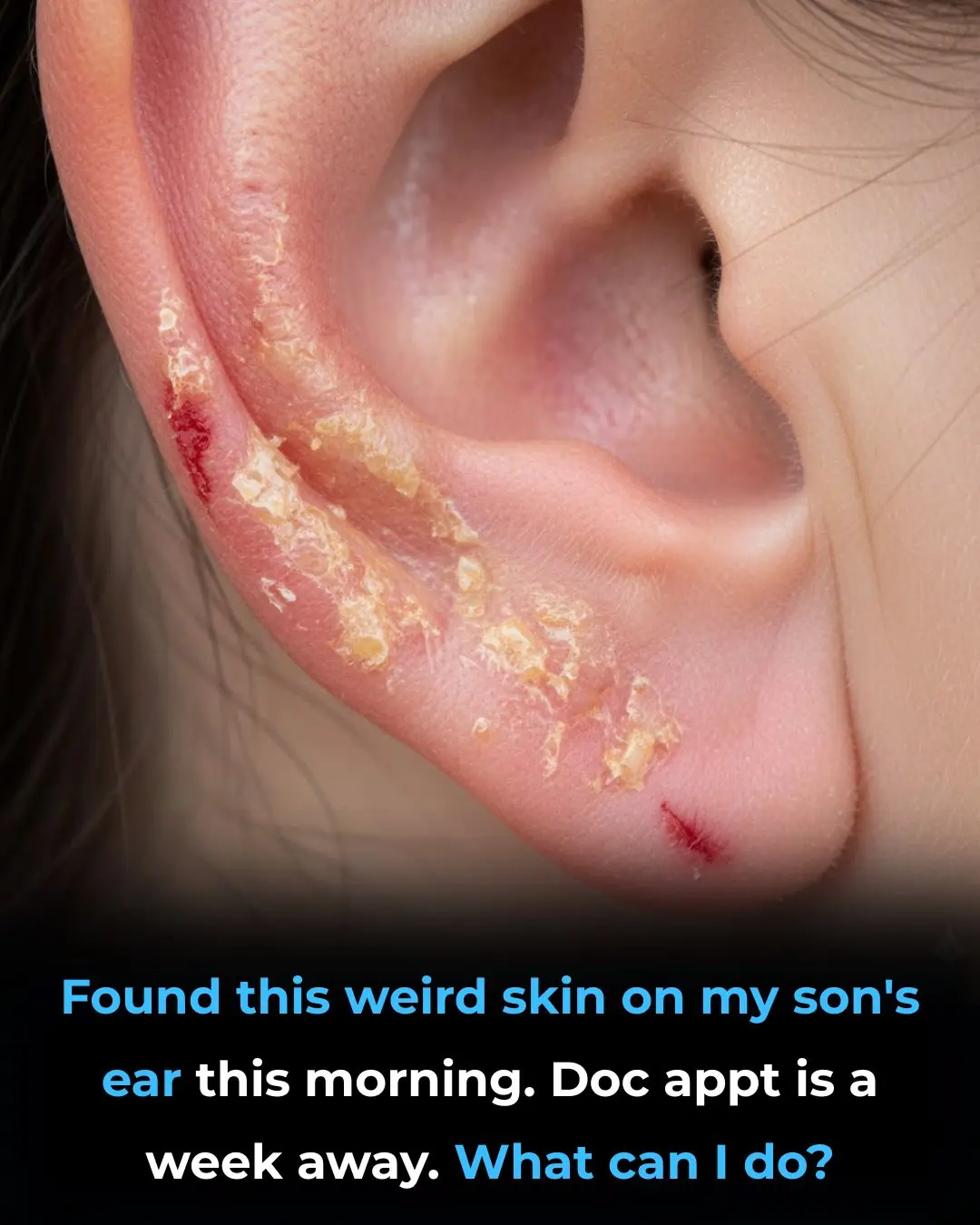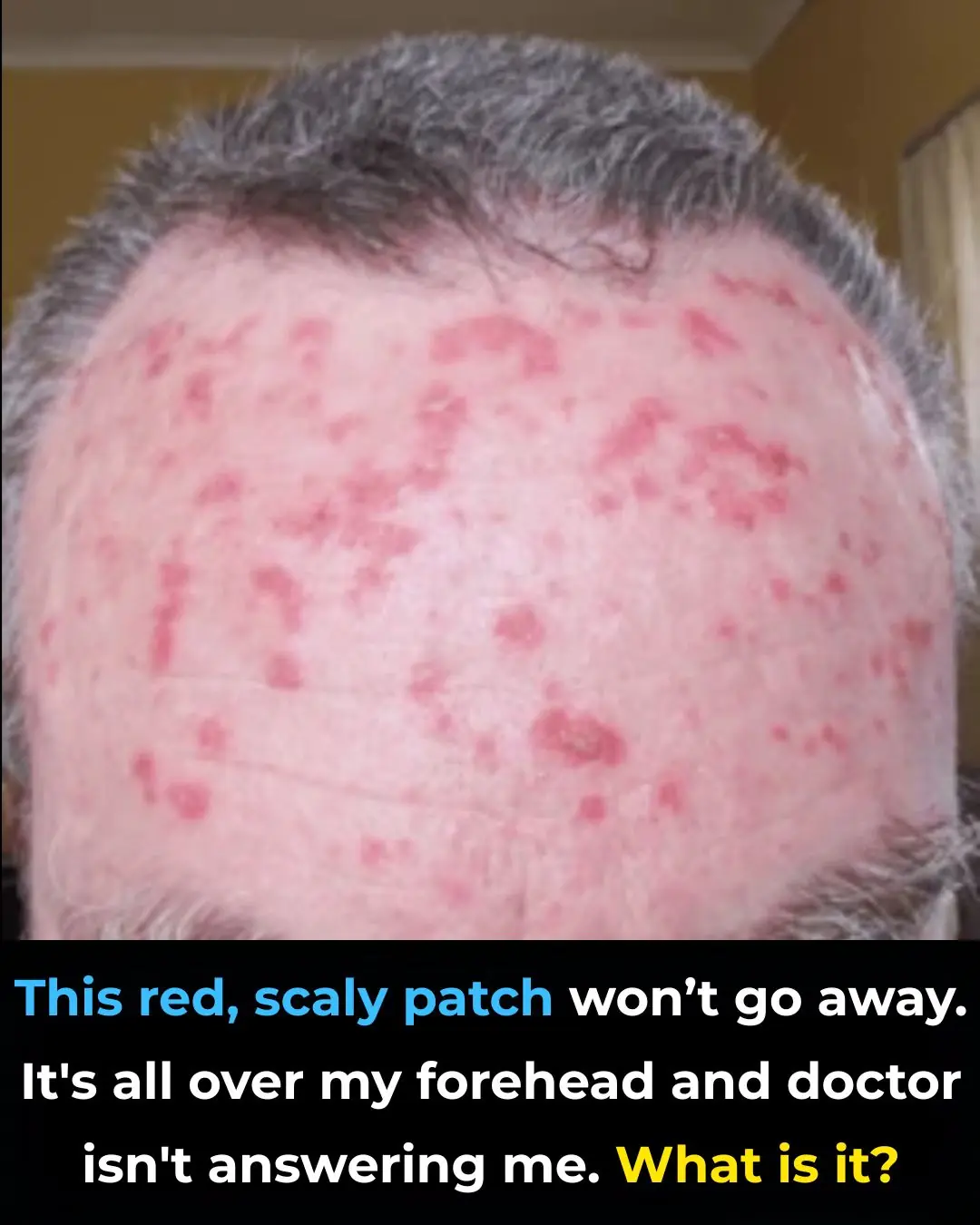
This red, scaly patch won’t go away. It's all over my forehead and doctor isn't answering me. What is it?
Tips 08/01/2026 21:20

Noticing visible changes in your nose—such as swelling, redness, or a bumpy texture—can be alarming and uncomfortable. These changes may also affect your self-confidence, especially when they persist or worsen over time. While waiting for a medical appointment can feel stressful, understanding the possible causes and knowing how to manage symptoms temporarily can offer both relief and peace of mind.
In this article, we’ll discuss common medical conditions that may cause nasal redness and swelling, explore potential triggers, and outline practical home remedies and lifestyle changes to ease discomfort. We’ll also explain when symptoms require urgent medical attention and how to prepare for an effective doctor’s visit.
Rhinophyma is a chronic skin condition characterized by a thickened, enlarged, red, and bumpy nose. It is widely recognized as a severe subtype of rosacea, though not everyone with rosacea will develop rhinophyma. The condition develops when sebaceous (oil) glands and connective tissue grow excessively, causing the nasal skin to become swollen and irregular.
Rhinophyma most commonly affects men over the age of 40, and its progression is typically slow. Early stages may involve mild redness or oiliness, which can gradually worsen into visible enlargement and distortion of the nose if left untreated. Early diagnosis and intervention are important, as modern treatments can slow progression and improve appearance significantly.
Nasal swelling can occur for many reasons, ranging from mild to more serious conditions. Allergic reactions are a frequent cause, as histamine release leads to inflammation and redness. Acne or rosacea flare-ups can also cause localized swelling due to clogged pores, bacteria, and increased oil production.
Other possible causes include:
Trauma or injury, which may result in bruising and inflammation
Bacterial infections, such as cellulitis
Sinus infections, which can cause swelling, pressure, and tenderness
Understanding whether your symptoms appeared suddenly or gradually—and whether pain, fever, or discharge is present—can help narrow down the cause.
Recognizing what triggers your symptoms is essential for long-term management. For rosacea-related nasal changes, common triggers include:
Sun exposure
Emotional stress
Hot weather or overheating
Spicy foods and hot beverages
Alcohol, particularly red wine
Keeping a symptom journal can help you identify patterns and avoid triggers before symptoms worsen.
Environmental allergens such as pollen, mold, dust mites, or pet dander may also cause nasal inflammation. Reducing allergen exposure by using air purifiers, washing bedding frequently, and choosing hypoallergenic products may help minimize reactions.
Several over-the-counter (OTC) treatments may help reduce mild nasal swelling and redness:
Antihistamines (e.g., cetirizine or loratadine) for allergy-related symptoms
Low-strength hydrocortisone creams to reduce mild inflammation (short-term use only)
Acne treatments containing salicylic acid or benzoyl peroxide for clogged pores
Always use OTC products as directed and perform a patch test before applying them to sensitive facial skin.
A gentle, consistent skincare routine can make a noticeable difference. Cleanse your face twice daily with a mild, fragrance-free cleanser, and avoid abrasive exfoliants that can worsen inflammation.
Moisturize regularly using non-comedogenic products to maintain the skin barrier. For individuals prone to rosacea, products formulated for sensitive skin and free from alcohol, menthol, or strong fragrances are especially important.
Daily use of broad-spectrum sunscreen (SPF 30 or higher) is essential, as UV exposure is a major trigger for redness and flare-ups.
Social media is full of viral skincare tips claiming quick fixes for redness and swelling. While some may offer temporary relief, others can cause irritation or damage.
For example:
Ice therapy can reduce swelling temporarily but must be wrapped in cloth to prevent frostbite
Natural remedies like aloe vera or honey may soothe inflammation but are not universally effective
Approach viral hacks cautiously, prioritize evidence-based care, and discontinue any method that causes burning or irritation.
Several safe home remedies may help ease discomfort while waiting for medical advice:
Cold compresses applied for 5–10 minutes can reduce swelling
Elevating your head during sleep helps reduce fluid buildup
Chamomile or green tea compresses offer mild anti-inflammatory effects
Hydration and cool indoor temperatures help prevent flushing
Always apply remedies gently and avoid excessive pressure on the nose.
Daily habits play a major role in skin health. Consider these lifestyle changes:
Eat an anti-inflammatory diet rich in vegetables, fruits, and omega-3 fatty acids
Reduce alcohol and spicy food intake
Practice stress-management techniques such as meditation or deep breathing
Choose low-impact exercise to avoid overheating
Small, consistent changes often lead to noticeable improvements over time.
Seek immediate medical care if you experience:
Rapid or severe swelling
Fever or chills
Intense pain or tenderness
Difficulty breathing
Redness spreading beyond the nose
These symptoms may indicate infection or a serious allergic reaction requiring urgent treatment.
To make the most of your appointment:
Keep a symptom diary
Note triggers, severity, and duration of flare-ups
List products and treatments you’ve tried
Bring photos of flare-ups if symptoms fluctuate
Clear, detailed information helps your doctor make an accurate diagnosis and treatment plan.
Managing chronic nasal redness and swelling often requires a long-term approach. Regular follow-ups with a dermatologist can help monitor progression and adjust treatment as needed.
Consistency is key—maintaining healthy skincare habits, avoiding triggers, and staying informed about treatment options can significantly improve symptoms and quality of life. Support groups and online communities may also provide encouragement and shared experiences for those managing long-term skin conditions.