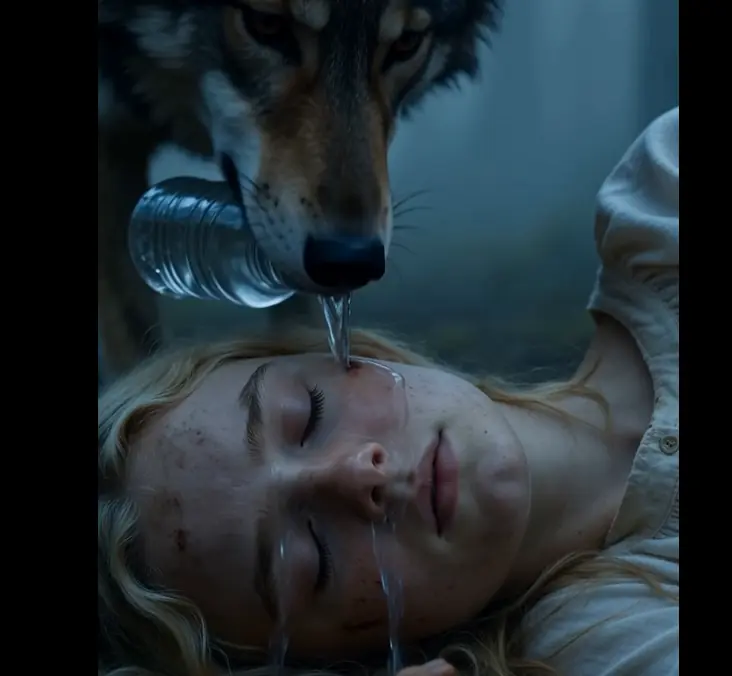
Which Raw Food Would You Choose
Facts 10/06/2026 22:19
"If We Evolved from Monkeys, Why Are There Still Monkeys?" Here's the Scientific Answer
This question is commonly asked, and it's understandable given how evolution is often portrayed. However, the key to grasping the concept of evolution lies in understanding that it is not a simple, linear progression. Let’s dive deeper into the scientific explanation to clear up the confusion.
Contrary to what some might believe, humans did not evolve from monkeys. Instead, humans and monkeys share a common ancestor that lived millions of years ago. This species, which is now extinct, gave rise to several branches — one of which led to humans, while others evolved into modern monkeys and apes. These evolutionary branches diverged long before humans appeared on the scene.
This shared ancestry explains why humans and other primates, such as chimpanzees, share many similarities, both physically and genetically. Scientists have long established that we share a significant portion of our genetic material with primates, and this is crucial for understanding how closely related we really are.
To fully grasp the process of evolution, it helps to imagine it as a tree rather than a ladder. A ladder suggests a linear progression with one species evolving into another. However, evolution is more complex, branching out like a tree. Just because one branch grows, doesn’t mean the other branches die off. The branches represent different species that evolved along their own paths, each adapting to their unique environments.
In other words, the evolutionary paths of humans, monkeys, and apes have been separate for millions of years, yet all these species have evolved from a common ancestor. While humans and modern monkeys share a distant past, their evolutionary journeys took different directions.
Humans and chimpanzees, for example, share about 98% of the same DNA. This high degree of genetic similarity is a strong indicator of our shared evolutionary history. While humans did not directly evolve from chimpanzees or any other modern monkey species, we share a relatively recent common ancestor with them. This shared genetic heritage makes chimpanzees and other primates like gorillas and orangutans our closest living relatives in the animal kingdom.
Studies of DNA and fossils have allowed scientists to trace the evolutionary paths of humans and our primate cousins. This research has confirmed that our evolutionary split from chimpanzees occurred roughly 6 to 7 million years ago, long before the appearance of modern humans. Despite this, the genetic connection is so strong that we continue to share much of the same biological makeup.
The bottom line is that humans and modern monkeys did not replace one another; we evolved alongside them. We are more like evolutionary cousins, with both humans and modern monkeys having evolved from the same ancient roots. Our paths diverged millions of years ago, but we are both part of the same evolutionary tree.
Modern monkeys, like capuchins and baboons, have continued to evolve independently and have adapted to their own environments. While humans and these monkeys share a common ancestor, the differences between us are due to millions of years of separate evolution.
Understanding this evolutionary process helps us appreciate the beauty and complexity of life’s long journey. The diverse species we see today are all the result of millions of years of adaptation and natural selection, each following its own path while still being connected through a shared evolutionary history.
Evolution is a fascinating and intricate process that explains the diversity of life on Earth. By understanding that humans did not evolve from monkeys but share a common ancestor with them, we can better appreciate the complexity of our evolutionary journey. Rather than thinking of evolution as a simple progression from one species to another, we should see it as a branching tree that showcases the many ways life has adapted to its surroundings over millions of years.
Sources:
National Geographic, "Evolution: How Life Adapts," National Geographic.
Smithsonian National Museum of Natural History, "Human Evolution: The Evidence," Smithsonian Institution.
Scientific American, "Why Are Humans and Chimps So Genetically Similar?" Scientific American.
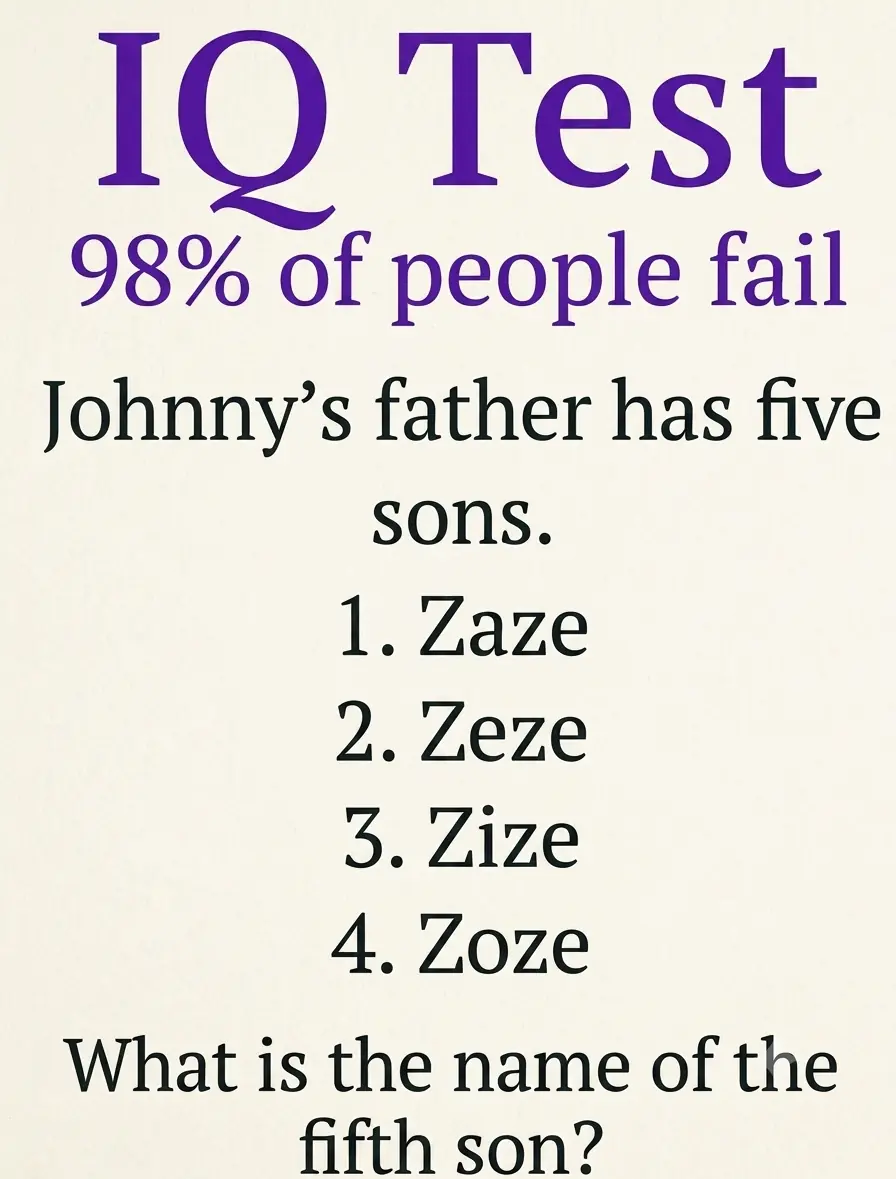
IQ Test: What is the name of the fifth son?

What Does Your Sitting Position Say About Your Personality
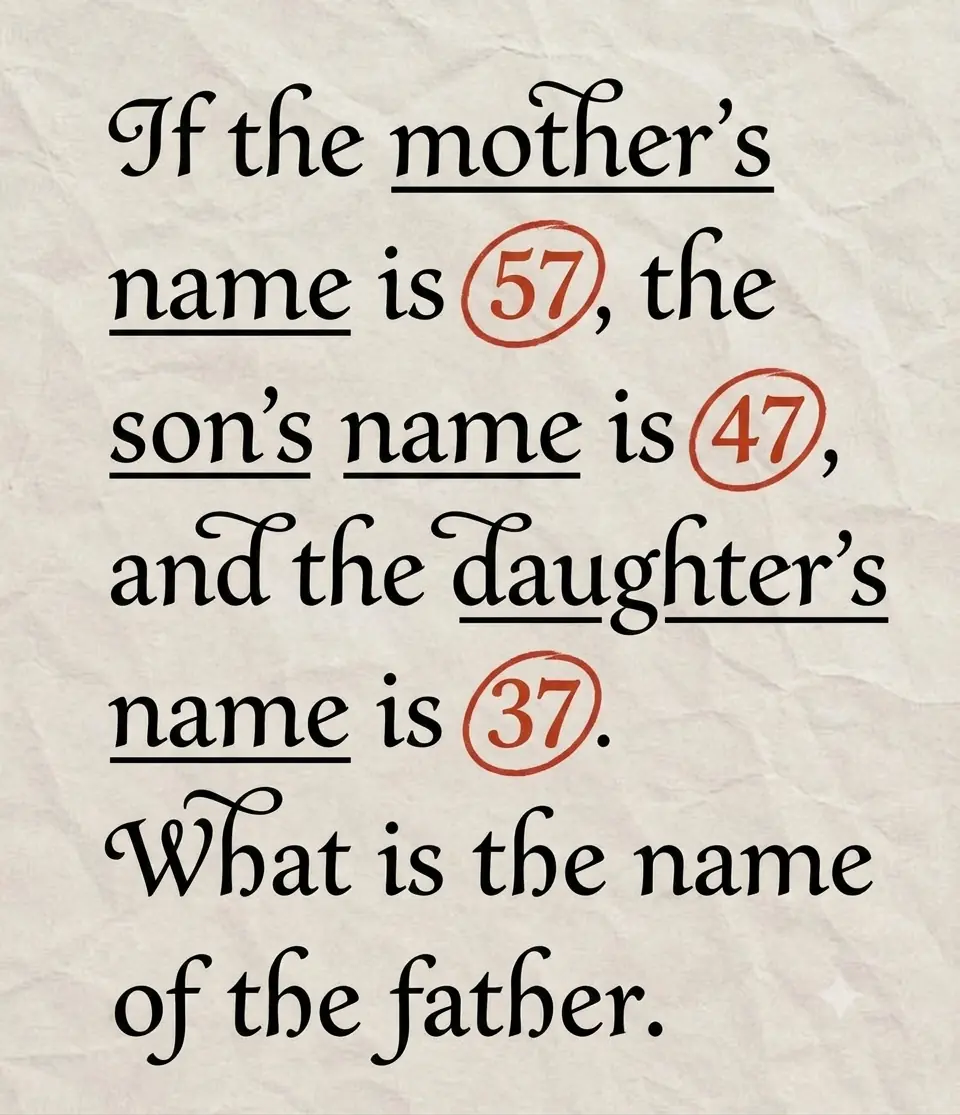
What is the name of the father?
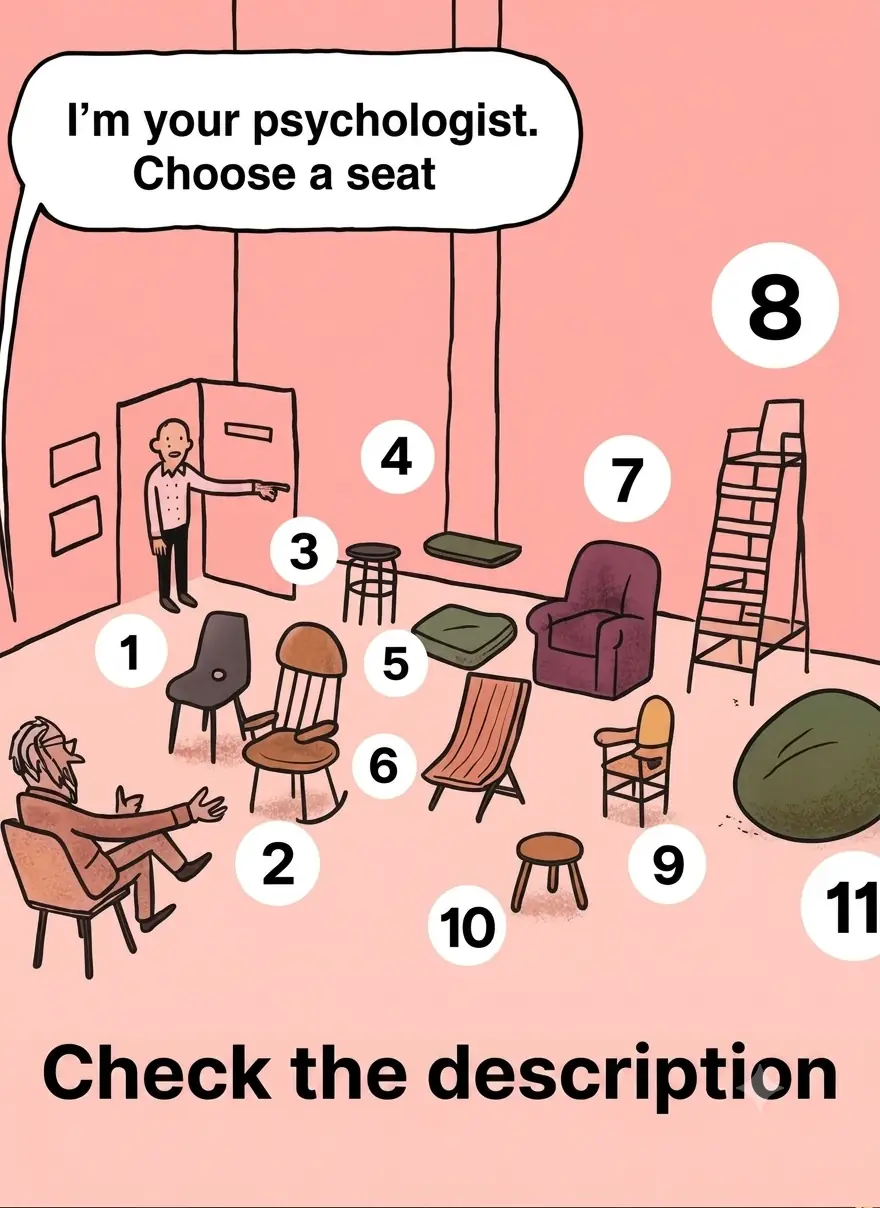
Pick Your Throne: A Fun Little Guide to Your Inner Weirdness






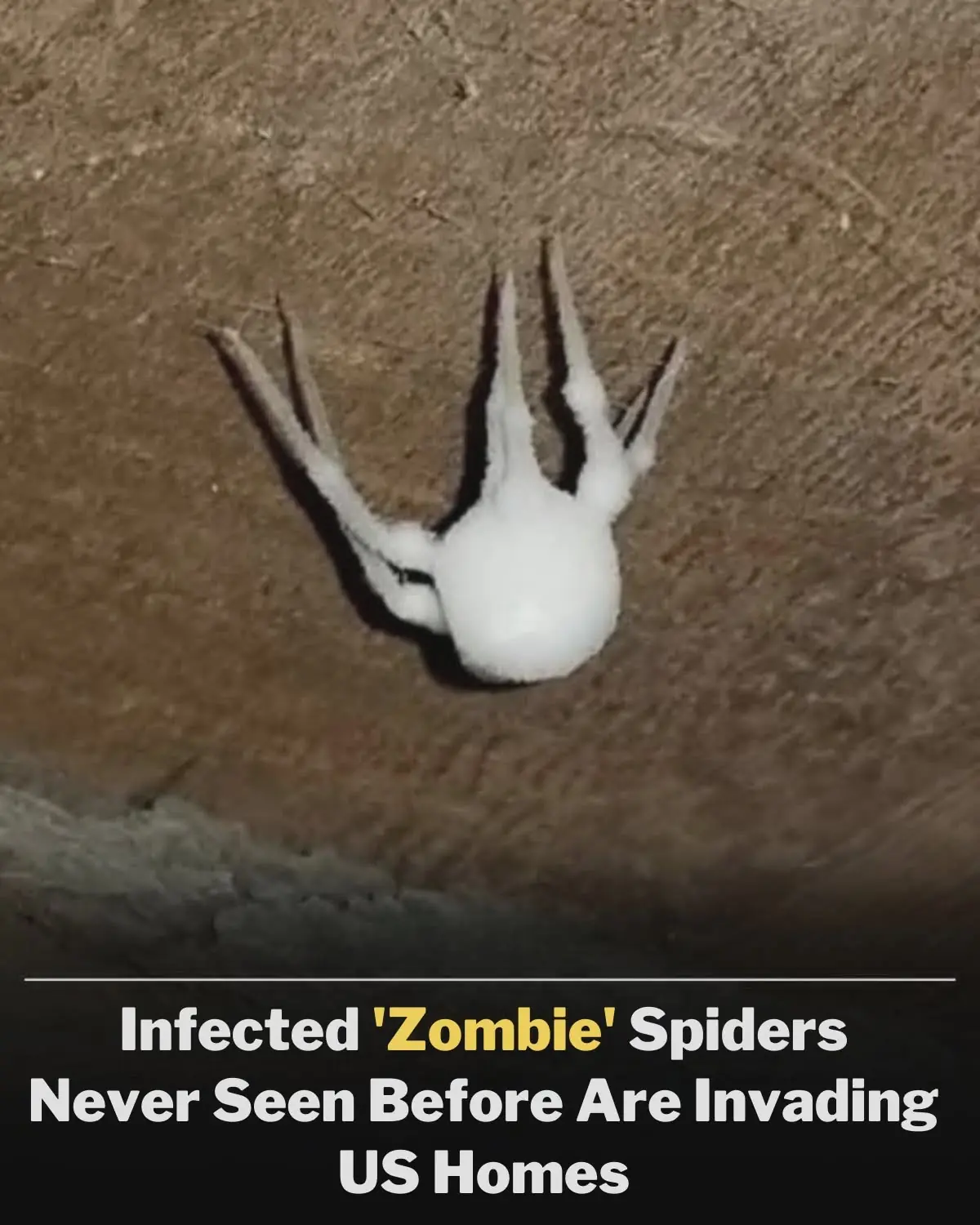




The Stone That Calls Your Soul Reveals Your Future
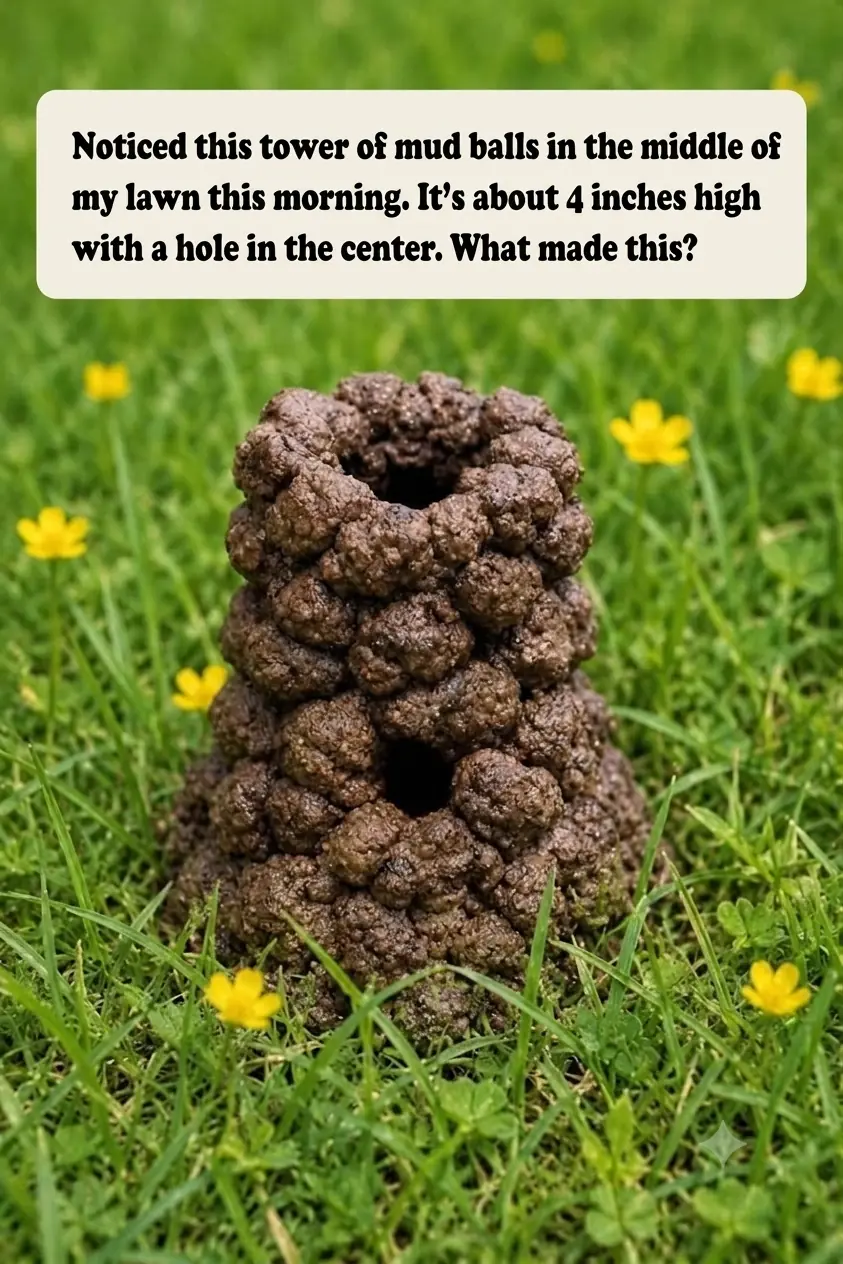
What made this?



Why Everyone Is Calling This the Perfect Healthy Salad

Skip the Store-Bought Drinks: This Homemade Strawberry Juice Is Bursting With Fresh Flavor and Ready in Just 10 Minutes

A Closer Look at the Juicy Steak: Exploring a Culinary Delight