Did You Know Ear Hair Growth May Reveal This About Your Health?
It is natural to have hair on your ears. However, if you have a lot, you may wonder why. Almost your entire body is covered in some type of hair, with the only exceptions being your palms, lips, and the soles of your feet.
Your ears have hair both on the outside and inside.
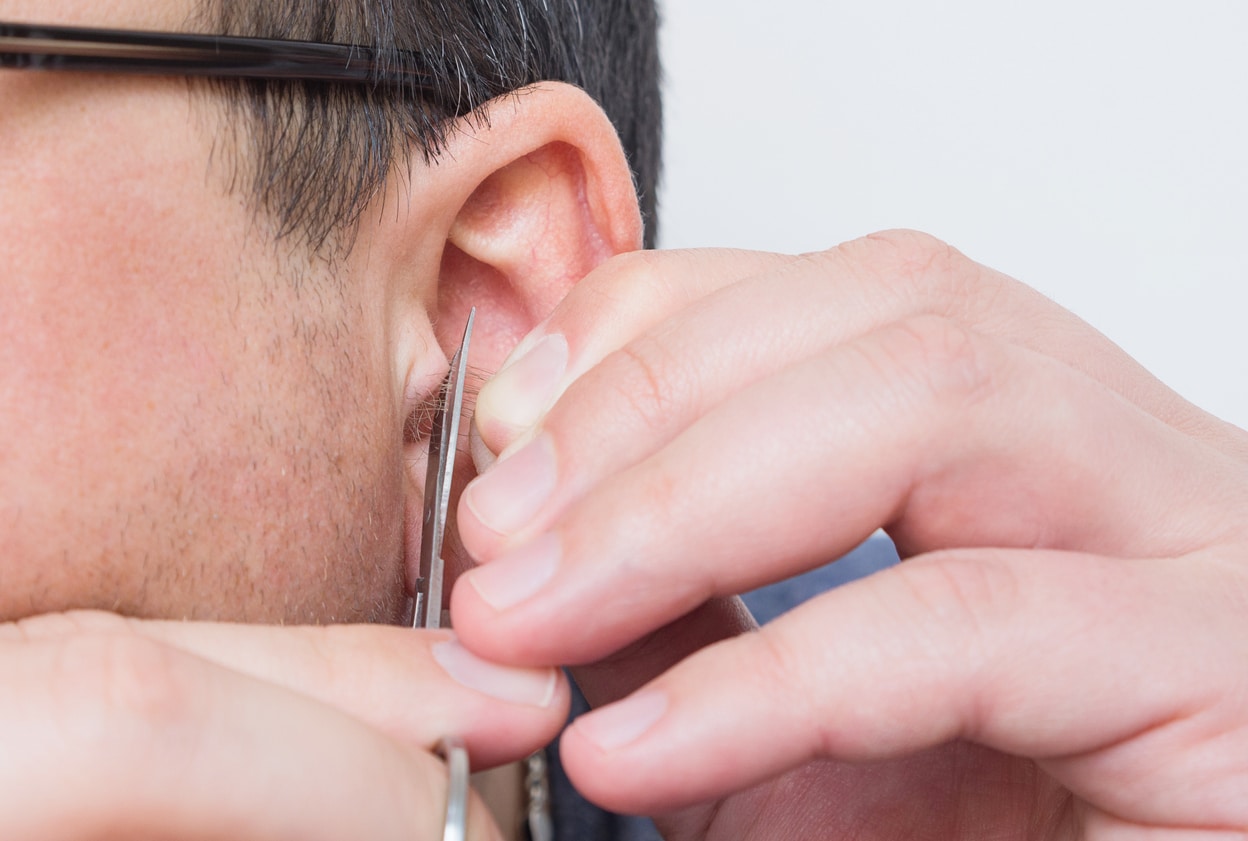
Why Do Ears Have Hair?
Before you were born, your entire body was covered in a fine, soft hair called lanugo, including your ears. This usually falls off before birth, but in some cases, especially for premature babies, it can take a few weeks to disappear.
As people age, particularly men, they may develop more hair in and around their ears.
The hair inside your ear plays an essential role. Along with earwax, it helps trap dirt and debris, preventing them from reaching your eardrum.
What Causes Excess External Ear Hair?
Doctors aren't entirely sure why some people develop excessive outer ear hair. It's a relatively rare occurrence, but it is more common among men from India and Sri Lanka.
There's also a medical condition called hypertrichosis, where excessive hair growth occurs all over the body.
-
Certain medications
-
Metabolic or endocrine disorders
-
Poor nutrition
-
Abnormal growths in the ovaries or adrenal glands
-
Infectious or inflammatory skin conditions
How Do You Get Rid of It?
Hairy ears don’t pose any serious health risks, but if you dislike how they look, there are several ways to remove the hair:
-
Shaving: You can use a razor or an electric trimmer to remove ear hair quickly.
However, the hair will grow back within 1 to 3 days. If you are trimming inside the ear, you should use an electric razor designed for ear hair, not a straight razor. -
Plucking: Using tweezers, you can pull individual hairs from the root. This method can last for 1 to 8 weeks, but it can be painful.
-
Waxing: Applying hot or cold wax can remove hair for 2 to 8 weeks.
Once the wax hardens, a paper strip is used to pull off the wax and hair together. -
Hair Removal Creams: These creams dissolve the hair, making removal easier.
However, they should only be used on the outer ear, as they may cause irritation or allergic reactions.
By understanding why ear hair grows and how to manage it, you can decide the best method for your needs.