Just 1 Cup Before Bedtime: Sleep Deeper and Support Visceral Fat Loss Naturally
Health 26/01/2026 23:08
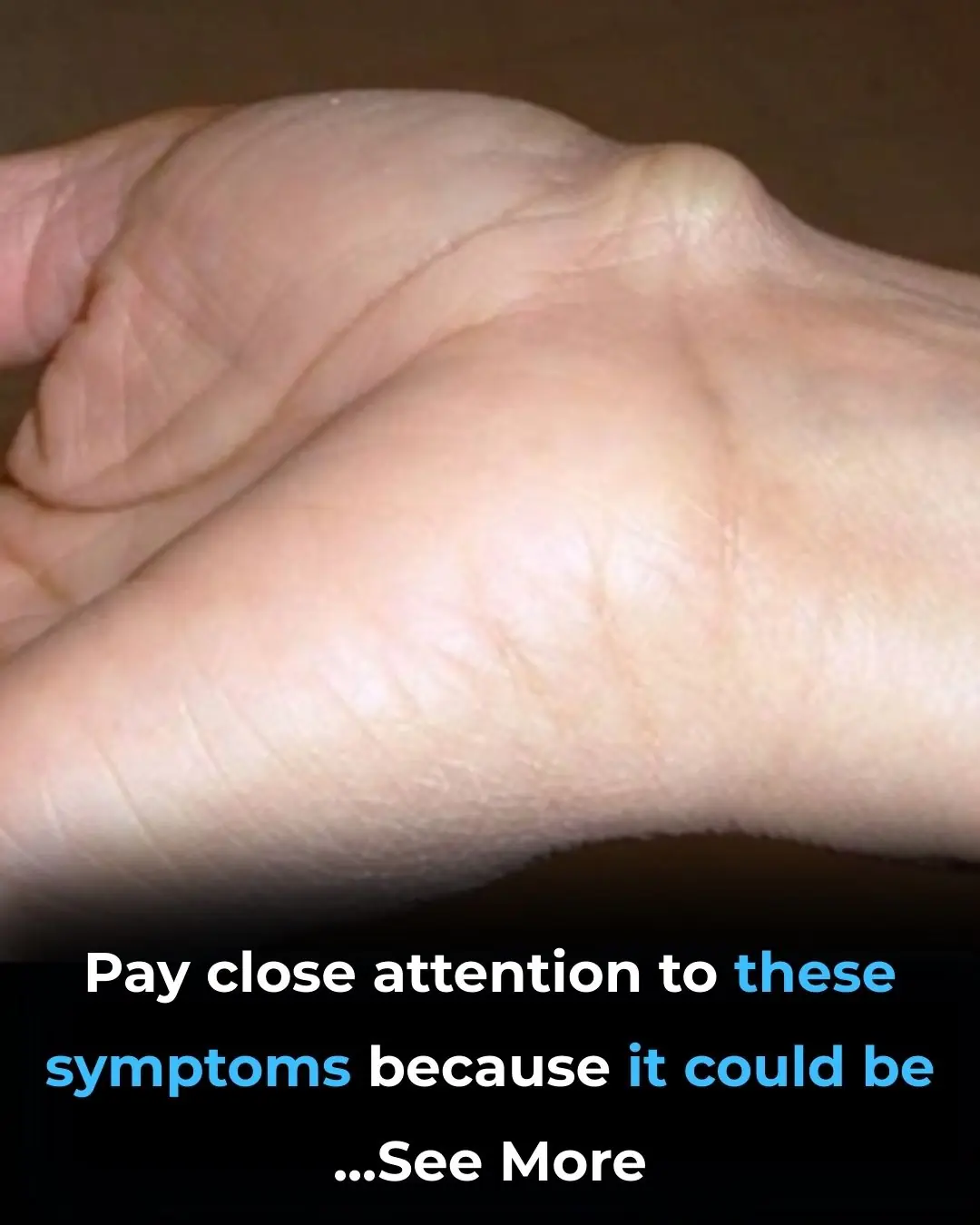
Have you noticed a lump on your wrist or near a joint? At first glance, it may seem harmless, but in reality, it could be indicating a problem that requires medical attention. Many people ignore it until it begins to cause discomfort, pain, or even movement limitations.
In this article, we explain what may be causing this lump, its symptoms, and when it is necessary to see a specialist.
When a bump appears on the wrist, the back of the hand, the fingers, or even the knees and feet, the most common cause is an abnormal accumulation of synovial fluid. This fluid lubricates the joints, but in some cases, it can leak out and form a small sac or cyst.
Although in most cases it is not dangerous, it can sometimes become painful, restrict movement, or even press on nearby nerves, causing numbness and weakness in the affected area.
If you have noticed an unusual lump, pay attention to these symptoms:
✅ A visible bump on the wrist, fingers, knees, or feet. It may feel soft or firm to the touch.
✅ Progressive growth of the lump. In some cases, it appears and disappears over time.
✅ Pain or discomfort when moving the affected joint.
✅ Numbness, pressure sensation, or weakness in the area. This can happen if it presses on a nearby nerve.
✅ Changes in the skin. It may appear tighter or show a slight change in color.
If you experience one or more of these symptoms, it is advisable to consult a specialist for an accurate diagnosis.
The causes vary from person to person, but some triggering factors include:
🔹 Repetitive movements. Activities that involve constant use of the wrists or fingers, such as typing, playing musical instruments, or certain sports.
🔹 Previous joint injuries. Blows or sprains can increase the risk of developing it.
🔹 Arthritis or other joint conditions. Some diseases can cause synovial fluid buildup.
🔹 Genetic factors. If someone in your family has had this condition, you may be more likely to develop it.
If the lump does not cause discomfort and does not affect movement, it may not require treatment and can simply be monitored. However, if you experience pain, discomfort, or limited movement, it is best to consult a specialist such as an orthopedist or rheumatologist.
A specialist may diagnose it using:
🔹 Physical examination. They will feel the affected area to evaluate the size, texture, and sensitivity of the lump.
🔹 Ultrasound or MRI. To take a closer look at the internal structure of the lump.
🔹 Fluid aspiration. In some cases, fluid is drawn out with a needle for analysis.
Treatment depends on the severity of the case. Options include:
🔹 Observation. If there is no discomfort, the doctor may recommend simply monitoring it.
🔹 Immobilization. Wearing a splint to reduce movement and decrease inflammation.
🔹 Aspiration. The fluid is removed with a needle, although the lump may reappear.
🔹 Surgery. If the lump is very large, painful, or keeps coming back, surgery may be recommended to remove it.
Many people try to hit or squeeze the lump to make it disappear, but this can cause more harm than good. Manipulating it without medical supervision can lead to inflammation, pain, or even infection.
If you have noticed a lump on your wrist or near a joint, pay attention to its symptoms and progression. Although in most cases it is not a serious problem, if it causes discomfort or affects movement, it is best to consult a specialist for proper diagnosis and treatment.
🔔 Do not ignore your body’s warning signs. What seems like something simple can become a bigger problem if it is not treated in time.