Australia’s “Infinity Train” — A Self-Recharging Heavy-Haul Giant Powered by Gravity
Facts 12/12/2025 23:23
Mesotherapy, a cosmetic procedure first introduced in 1952, is suddenly back in the spotlight. Although it was originally designed as a medical treatment to help relieve pain, it has been rebranded over the years as a “quick fix” for under-eye bags, wrinkles, cellulite, and even localized fat deposits. But as its popularity rises again, so do concerns among medical professionals about its safety, regulation, and long-term effects.
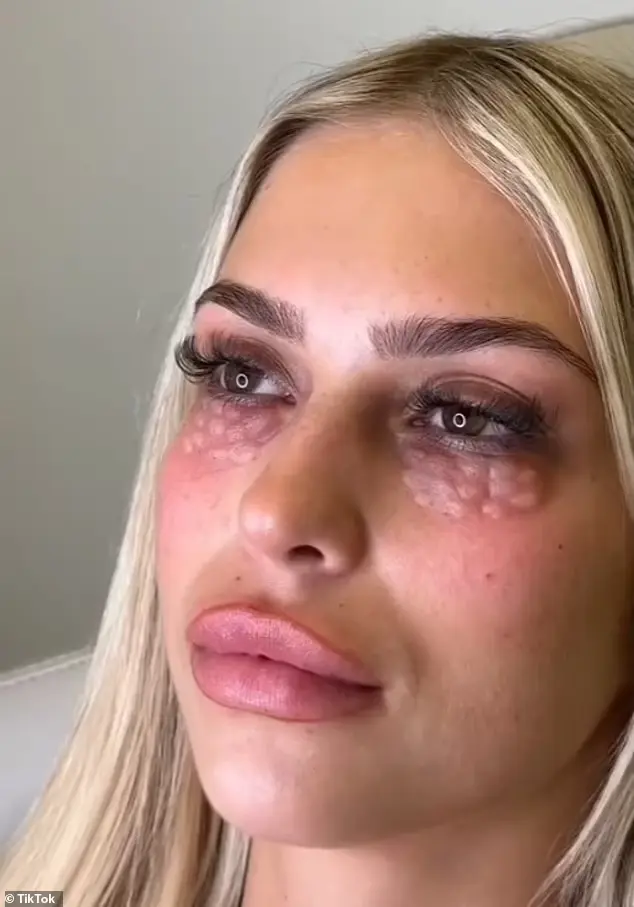
Mesotherapy is a technique in which practitioners inject a customized cocktail of ingredients — typically vitamins, enzymes, hormones, amino acids, and plant extracts — into the middle layer of the skin. These injections are intended to tighten and rejuvenate the skin, stimulate collagen production, improve hydration, and in some cases, break down stubborn fat cells.
Although the procedure is marketed as minimally invasive and relatively painless, it can temporarily leave the skin covered in tiny raised bumps at each injection point. Many patients describe their skin immediately afterward as having a “honeycomb texture,” or a slightly reptile-like appearance, which may take hours to settle.
Its resurgence is partly driven by TikTok and other social platforms, where influencers showcase dramatic before-and-after images and claim “instant lifting” or “eye bag removal” results. The visual appeal of quick transformations and the promise of a non-surgical alternative to fillers and cosmetic surgery make mesotherapy especially attractive to a younger audience.
Adding to the trend, DIY mesotherapy kits — some costing as little as $45 — are widely available online. These kits often include needles, serums, and step-by-step videos, encouraging users to perform the procedure on themselves.
But dermatologists and plastic surgeons strongly warn against this. Injecting substances into the skin without proper training dramatically increases the risk of infection, scarring, and serious complications.
Unlike FDA-approved cosmetic treatments such as Botox or dermal fillers, mesotherapy formulas have no standardized composition. Each clinic or practitioner may mix their own blend, sometimes including:
prescription medications
untested plant extracts
enzymes with unclear purity levels
additives not meant for injection
This variability means patients cannot be certain what is being injected into their skin — or how their body will react. The absence of regulation also makes it impossible to guarantee sterility, proper dosing, or consistency between treatments.
Dr. Viktoryia Kazlouskaya, a dermatologist based in New York, warns that this unpredictability makes complications far more likely, especially when mesotherapy is done by untrained technicians or attempted at home.
While some people experience mild bruising or temporary swelling, mesotherapy can lead to far more serious reactions. Reported complications include:
severe and prolonged bruising
allergic reactions to one or more ingredients
skin infections from contaminated needles or solutions
skin necrosis (tissue death) from improper injection technique
scarring or pigmentation changes
nodule formation under the skin
permanent eye damage when injected around the delicate eye area
In rare cases, unsterile equipment or contaminated mixtures can even introduce bacteria into deeper layers of the skin, requiring antibiotics or surgical intervention.
Experts emphasize that even if the ingredients themselves appear harmless, improper injection depth or placement can cause irreversible damage.
In an era where social media trends promote fast, dramatic transformations, it’s easy to be tempted by anything promising instant results without downtime. But mesotherapy highlights an important truth: convenience should never outweigh safety.
Before undergoing any cosmetic procedure — especially one involving injections — it’s essential to:
✔ consult a board-certified dermatologist or qualified medical professional
✔ verify the ingredients being used
✔ understand potential risks versus expected benefits
✔ avoid DIY kits or unlicensed providers entirely
Mesotherapy may sound appealing as a non-surgical option for rejuvenation or fat reduction, but its lack of regulation and the wide variability in ingredients make it a procedure that demands caution. While some individuals may see improvements, the potential risks — from infections to permanent skin damage — are not worth taking lightly.
Ultimately, your safety and long-term skin health matter more than any fleeting trend. Approaching treatments like mesotherapy with careful consideration and professional guidance is the best way to protect your well-being while pursuing your cosmetic goals.