The Silent Signal: What Your Legs May Reveal About Pancreatic Health
Health 28/02/2026 08:22
A groundbreaking study presented at NUTRITION 2025, the annual meeting of the American Society for Nutrition, suggests that something as simple as eating beans every day could protect your heart and help manage blood sugar levels.
Specifically, daily servings of black beans or chickpeas were linked to lower cholesterol and reduced inflammation—two major drivers of heart disease and type 2 diabetes. The results highlight how a humble, inexpensive food can deliver powerful, measurable improvements in metabolic health.
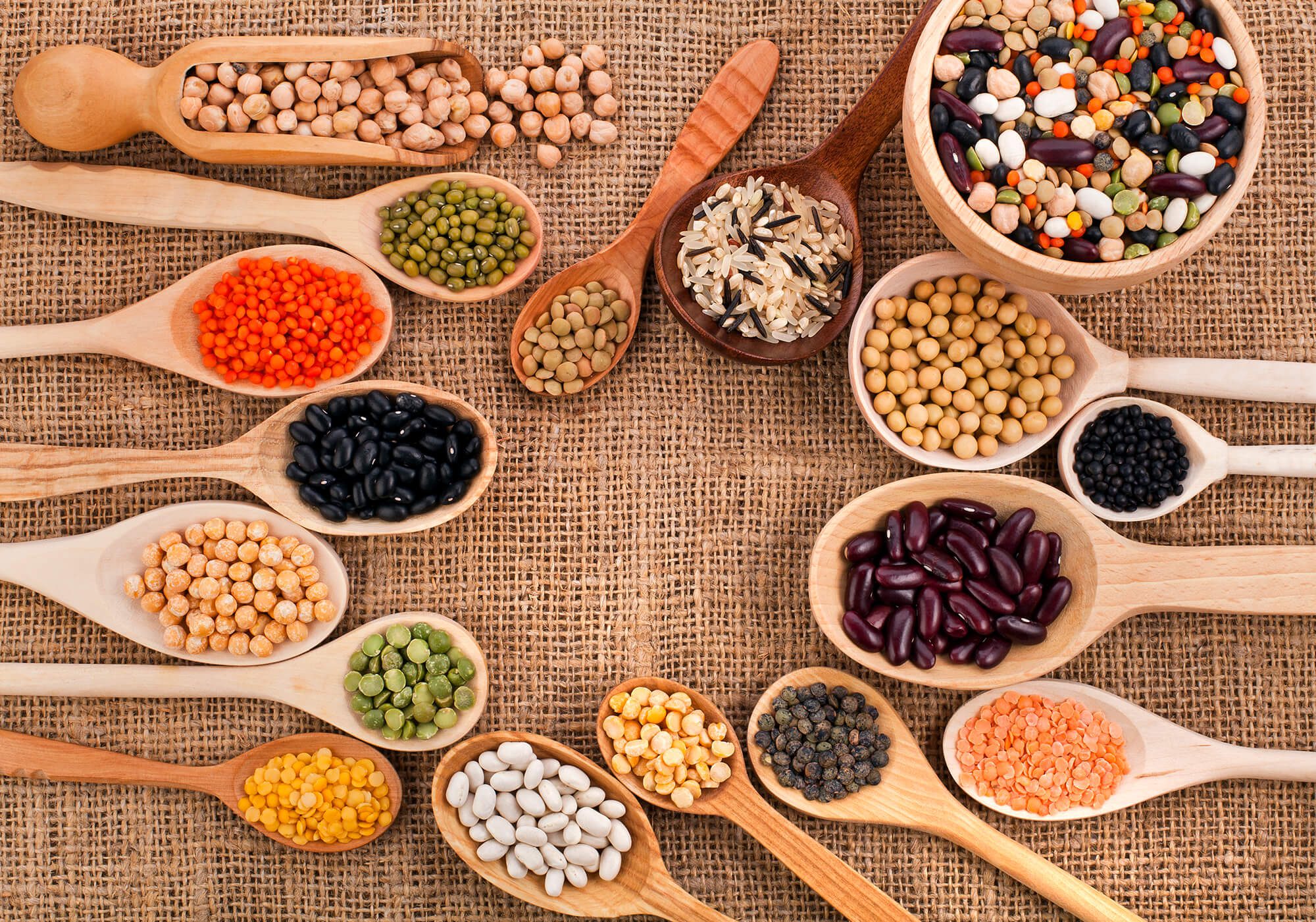
Researchers followed 72 adults with prediabetes over a 12-week period. Participants were divided into three groups:
one ate white rice daily,
one ate black beans, and
one ate chickpeas.
The goal? To see how swapping a refined starch for a legume-rich option would impact cholesterol, inflammation, and early metabolic changes linked to diabetes.
By the end of the trial, the results were clear: beans made a big difference.
Cholesterol Reduction:
Participants eating chickpeas daily saw their total cholesterol drop significantly—shifting from “at-risk” to “heart-healthy” levels.
Inflammation Control:
Those consuming black beans showed a marked decrease in IL-6, an inflammatory molecule associated with heart disease and insulin resistance.
Prediabetes Prevention:
Even without major changes in blood sugar levels, the reductions in inflammation and cholesterol point to a lower long-term risk of both type 2 diabetes and cardiovascular disease.
Affordable Nutrition:
Beans are nutrient-dense, widely available, and inexpensive. They provide a plant-based source of protein, fiber, and key micronutrients—making them one of the most cost-effective health boosters around.
Throughout the 12-week intervention, scientists measured participants’ HDL (“good”) and LDL (“bad”) cholesterol, C-reactive protein (CRP), IL-6, and glucose metabolism markers.
Although fasting glucose and insulin sensitivity did not significantly shift during the short study period, the improvements in cholesterol and inflammation were consistent and clinically meaningful.
Chickpea Group: Total cholesterol levels fell significantly.
Black Bean Group: IL-6 levels decreased, signaling lower systemic inflammation.
Morganne Smith, a doctoral researcher at the Illinois Institute of Technology and co-author of the study, explained:
“Individuals with prediabetes often have impaired lipid metabolism and chronic, low-grade inflammation. Both play a major role in the development of heart disease and type 2 diabetes. Our findings suggest that daily bean consumption can help interrupt that process.”
Beans and other legumes—like lentils, peas, and chickpeas—are rich in soluble fiber, a type of fiber that binds to cholesterol in the gut and helps flush it out of the body before it can enter the bloodstream.
They’re also packed with:
Plant-based protein, helping replace red or processed meats linked to higher heart risk.
Prebiotic fiber, which nourishes gut bacteria and supports a healthier microbiome.
Antioxidants and polyphenols, natural compounds that calm inflammation and protect blood vessel health.
Together, these nutrients support smoother blood flow, lower cholesterol, and improved insulin sensitivity over time.
Health experts recommend incorporating at least one serving of legumes—about ½ to 1 cup—into your meals each day. Fortunately, beans are incredibly versatile:
Add chickpeas or black beans to salads for extra texture and protein.
Stir them into soups, stews, or curries for heartiness and fiber.
Blend into bean dips or spreads as a snack alternative to processed foods.
Replace red meat in tacos, burritos, or burgers with seasoned black beans or lentils.
Tip: If beans cause bloating or gas, rinse canned beans thoroughly and increase your intake gradually—your gut microbiome will adapt.
Despite their health benefits, beans remain underconsumed in many Western countries. According to national dietary surveys, most adults eat legumes less than once a week—far below the amount recommended by nutrition experts.
That gap represents a major missed opportunity for public health. By making beans a daily habit, people could lower their risk of chronic disease while improving diet quality—without spending more money or relying on supplements.
You don’t need exotic superfoods or expensive supplements to protect your heart. Sometimes, the best solution comes straight from your pantry.
A single serving of black beans or chickpeas each day may help:
✅ Lower cholesterol
✅ Reduce inflammation
✅ Improve long-term heart and metabolic health
As researchers continue to uncover the benefits of plant-based eating, beans remain one of the simplest, most accessible ways to safeguard your health—one bowl at a time.