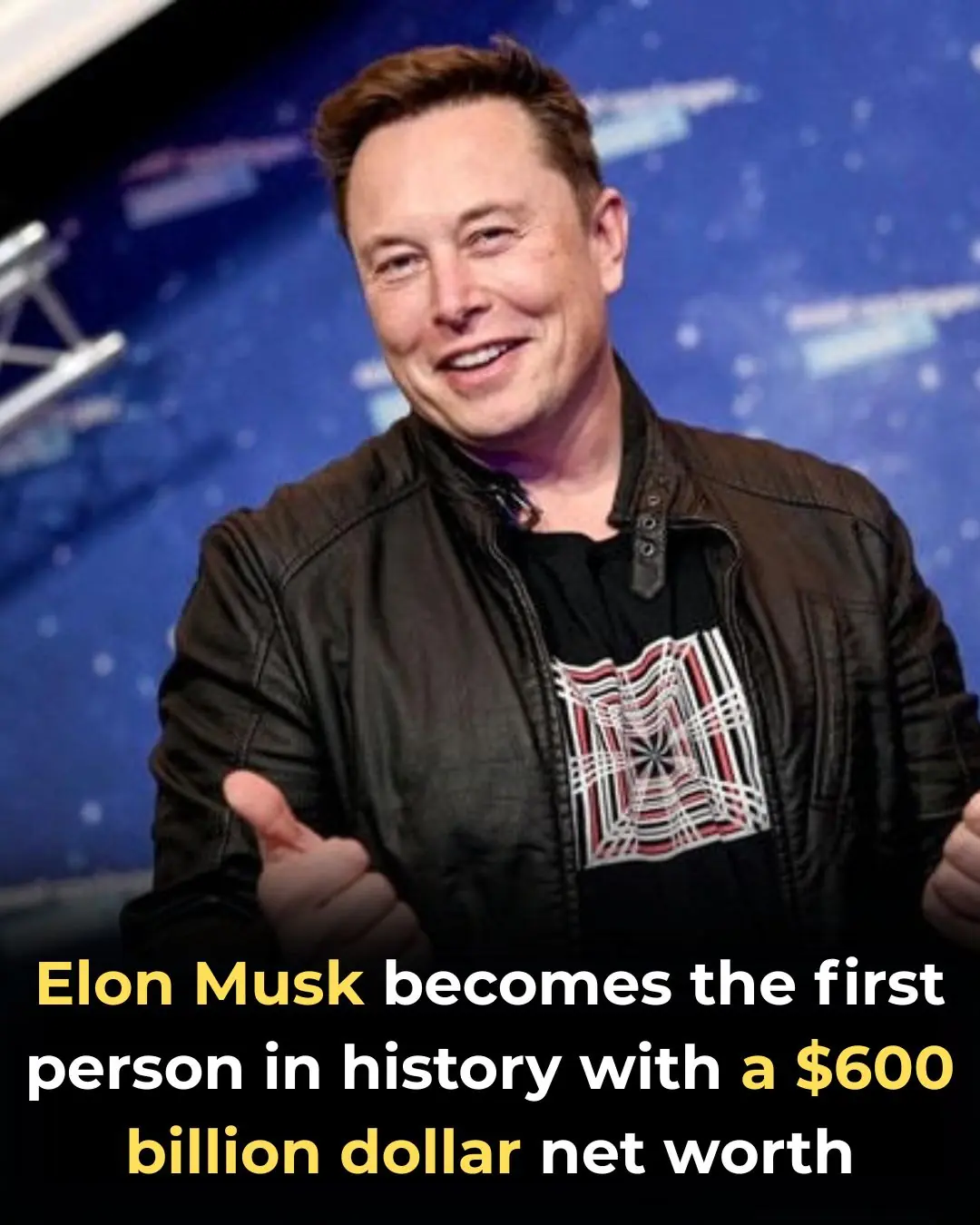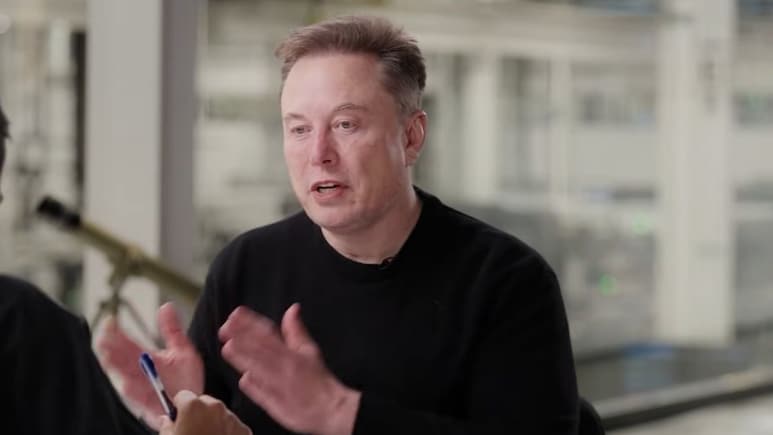
Billionaire entrepreneur Elon Musk has once again sparked debate after suggesting that poverty will eventually disappear and that saving money may no longer be necessary in the future. His remarks were made in response to billionaire investor Ray Dalio’s public support for the newly proposed “Trump Accounts,” a government-backed investment initiative aimed at giving young Americans a financial head start.
Musk acknowledged that the idea behind Trump Accounts is well-intentioned, but argued that such savings-focused programmes may become irrelevant as technology advances. According to him, rapid progress in artificial intelligence and robotics will dramatically increase productivity, leading to what he describes as a future of “universal high income,” where financial scarcity no longer exists.
The proposed Trump Accounts programme, introduced under US President Donald Trump, would provide American newborns with a one-time government contribution of $1,000, invested in a tax-advantaged stock market account. The funds would grow over time and become accessible when the child turns 18, potentially helping with major life milestones such as higher education, entrepreneurship, or purchasing a first home. Supporters believe the initiative could encourage long-term saving habits and reduce wealth inequality, though critics have raised concerns about market volatility and the programme’s ability to address deeper structural economic issues.
Responding to Dalio’s endorsement of the plan, Musk wrote on X (formerly Twitter):
“It is certainly a nice gesture of the Dells, but there will be no poverty in the future and so no need to save money. There will be universal high income.”
This view aligns with Musk’s long-standing belief that advanced automation will eventually eliminate the need for most traditional jobs. He has repeatedly stated that if AI and robotics continue to scale efficiently, goods and services could become so abundant that money itself may lose significance—comparing it to oxygen, which is freely available and universally accessible.
However, Musk’s comments quickly drew scepticism and criticism online. Many social media users pointed out the contrast between his extraordinary personal wealth—estimated at around $600 billion—and his suggestion that ordinary people may not need to save. Others questioned the economic logic of a system where everything is abundant and inexpensive, asking what incentives would remain for innovation, production, and human effort.
Some commentators argued that while technology may reduce absolute poverty, relative poverty could still persist. As one user noted, standards of what constitutes a “high” quality of life continue to rise over time, meaning that perceptions of wealth and deprivation may never fully disappear. Another user questioned whether a “universal high income” is even possible, suggesting that the definition of “high” constantly shifts alongside social expectations and economic growth.
Musk’s remarks come amid a period of unprecedented personal financial success. Earlier this week, Forbes reported that he became the first individual in history to reach a net worth of $600 billion. This milestone followed reports that SpaceX, in which Musk owns approximately a 42% stake, is preparing for a potential public offering at a valuation of up to $800 billion. If realised, the IPO could further increase Musk’s wealth by more than $160 billion, reinforcing his position as the world’s richest individual.
While Musk’s vision of a post-scarcity economy remains speculative, it continues to fuel global conversations about the future of work, income distribution, and the role of government in ensuring financial security. Whether universal high income becomes reality or remains an optimistic projection, the debate highlights growing uncertainty—and possibility—around how technology may reshape economic systems in the decades ahead.