How to Use Guava Leaves and Fruit for Natural Eye Care Support at Home Daily
Health 31/03/2026 00:07
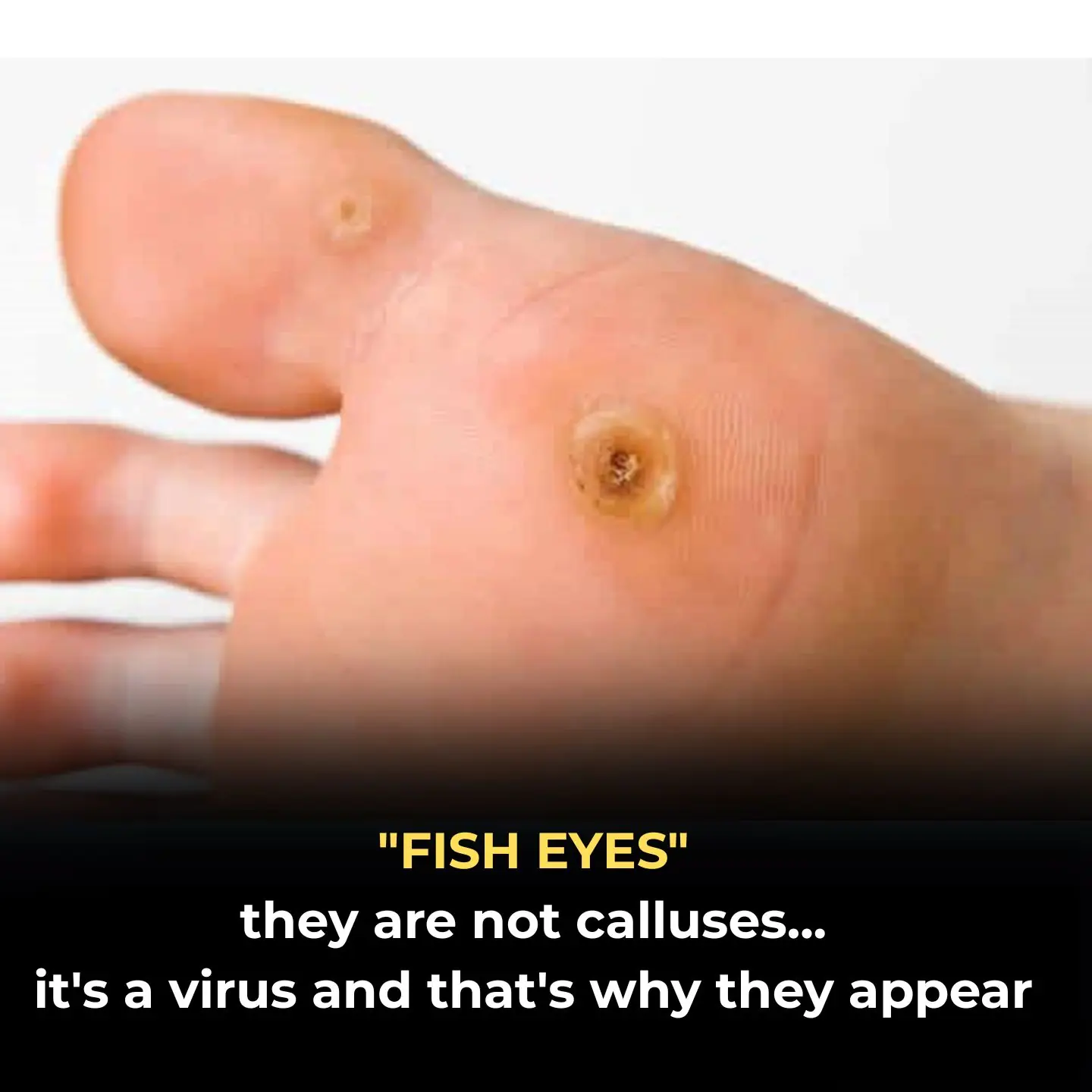
Have you noticed a small, painful bump on the sole of your foot that looks like a "fish eye"? Most people’s first instinct is to grab a pumice stone or a file, assuming it’s just a stubborn callus.
However, that "fish eye" (commonly known as a plantar wart) is more than just dead skin. It’s a viral infection that requires a completely different approach than a simple callus.
Known scientifically as Verruca plantaris, these growths are caused by the Human Papillomavirus (HPV). The virus enters the body through tiny cuts or weak spots on the bottom of the feet. Because we put constant pressure on our soles while walking, these warts often grow inward, hidden under a thick layer of hard skin—hence the resemblance to a fish eye.
Distinguishing between a callus and a viral wart is crucial for proper treatment. Here’s how to spot the "intruder":
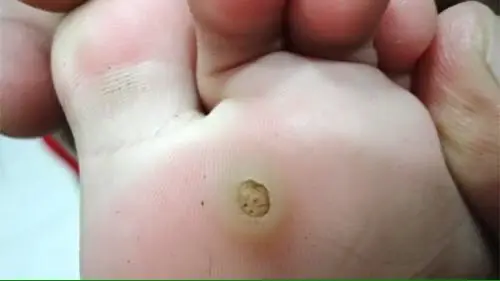
The "Black Dot" Test: If you look closely at a plantar wart, you may see tiny black pinpoints. These aren't seeds; they are actually tiny, clotted blood vessels. Calluses do not have these.
Pain Response: Plantar warts usually hurt more when pinched from the sides. Calluses tend to hurt more when pressed directly.
Skin Lines: Normal skin ridges (like fingerprints) go around a wart. If it’s a callus, the skin lines usually continue right across the surface.
The virus thrives in warm, moist environments. You are most likely to pick it up in:
Public locker rooms and showers.
Swimming pool decks.
Gym mats.
Sharing shoes or towels with someone who has the infection.
Since this is a viral infection, "filing it down" won't solve the problem—in fact, it might spread the virus to other parts of your foot. Here are the common ways to treat them:
Salicylic Acid: Over-the-counter treatments that gradually dissolve the wart layers.
Cryotherapy: A doctor uses liquid nitrogen to freeze the wart off.
Professional Removal: For stubborn "fish eyes," a podiatrist may use laser therapy or minor cauterization.
Wear Flip-Flops: Never walk barefoot in public showers or pool areas.
Keep Feet Dry: Change your socks daily and use foot powder if your feet sweat excessively.
Don't Touch: Avoid picking at a wart, as this can spread the HPV virus to your fingers or other areas.
The Bottom Line: Don't treat a virus like a callus. If your "fish eye" is spreading, bleeding, or causing significant pain, it's time to skip the DIY home "surgery" and see a professional.