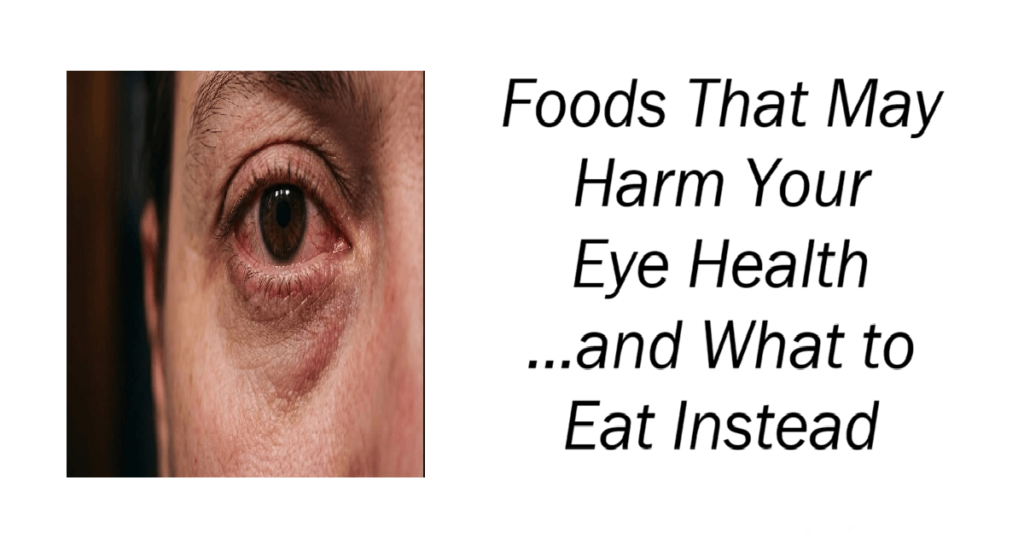
Your eyes rely on good nutrition just as much as the rest of your body. While no single food will suddenly damage your vision, regularly eating certain unhealthy foods may increase your risk of developing eye conditions over time.
A balanced diet rich in vitamins, minerals, and antioxidants can help support healthy eyesight, while limiting heavily processed foods may reduce the risk of chronic diseases that affect the eyes.
Here are five types of foods you should enjoy in moderation if you want to protect your vision.
1. Foods High in Refined Sugar
Sugary snacks, soft drinks, candy, pastries, and many processed foods contain large amounts of refined sugar.
Eating too much sugar over time can contribute to obesity and type 2 diabetes, both of which increase the risk of diabetic eye disease. Frequent blood sugar spikes may also damage the tiny blood vessels that nourish the retina.
Healthier choices:
- Fresh fruit
- Plain yogurt
- Nuts
- Whole-grain snacks
2. Foods Rich in Saturated and Trans Fats
Fried foods, processed meats, fast food, and many packaged baked goods are often high in saturated or trans fats.
Diets high in unhealthy fats may contribute to poor circulation and inflammation, which can affect overall eye health. Replacing these fats with healthier alternatives supports both your heart and your eyes.
Better options include:
- Salmon and other oily fish
- Avocados
- Olive oil
- Nuts and seeds
3. High-Sodium Foods
Many canned soups, frozen meals, processed meats, chips, and fast foods contain excessive amounts of sodium.
Too much sodium can contribute to high blood pressure, which may increase the risk of damage to the blood vessels in the eyes over time. While sodium isn’t a direct cause of vision loss, maintaining healthy blood pressure is important for protecting your eyesight.
Try choosing:
- Fresh vegetables
- Homemade meals
- Herbs and spices instead of extra salt
- Low-sodium products when available
4. High-Glycemic Foods
White bread, white rice, sugary cereals, and many processed carbohydrates have a high glycemic index, meaning they can cause rapid spikes in blood sugar.
Research suggests that diets consistently high in high-glycemic foods may be associated with a greater risk of certain age-related eye conditions. Choosing foods that release energy more slowly can help support overall health.
Healthier alternatives:
- Whole grains
- Brown rice
- Oats
- Beans and lentils
5. Ultra-Processed Foods
Packaged snacks, instant meals, sugary desserts, and highly processed convenience foods often contain excess sugar, unhealthy fats, sodium, and artificial additives.
Regularly relying on these foods may increase the risk of chronic health conditions—including diabetes and cardiovascular disease—that can negatively affect vision over time.
Instead, focus on a diet built around whole, minimally processed foods whenever possible.
Foods That Support Healthy Vision
Protecting your eyesight isn’t just about limiting unhealthy foods—it’s also about eating foods rich in nutrients that your eyes need.
Some of the best choices include:
- Leafy greens like spinach and kale
- Carrots and sweet potatoes
- Citrus fruits
- Eggs
- Salmon, tuna, and sardines
- Almonds and sunflower seeds
- Colorful fruits and vegetables rich in antioxidants
These foods provide important nutrients such as vitamins A, C, and E, lutein, zeaxanthin, omega-3 fatty acids, and zinc, all of which play a role in maintaining healthy vision.
The Bottom Line
No single food will “destroy” your eyesight overnight, but your long-term eating habits can influence your eye health. Limiting sugary foods, excessive sodium, unhealthy fats, and ultra-processed products while eating a balanced, nutrient-rich diet can help reduce your risk of chronic diseases that may affect your vision.
Combined with regular eye exams, managing blood sugar and blood pressure, wearing UV-protective sunglasses, and avoiding smoking, healthy eating is one of the best ways to support clear vision for years to come.