Can Bay Leaves and Shallots Really Help With Cancer, Diabetes, and High Blood Pressure? What Science Actually Says
Garden Healthy 12/01/2026 22:30
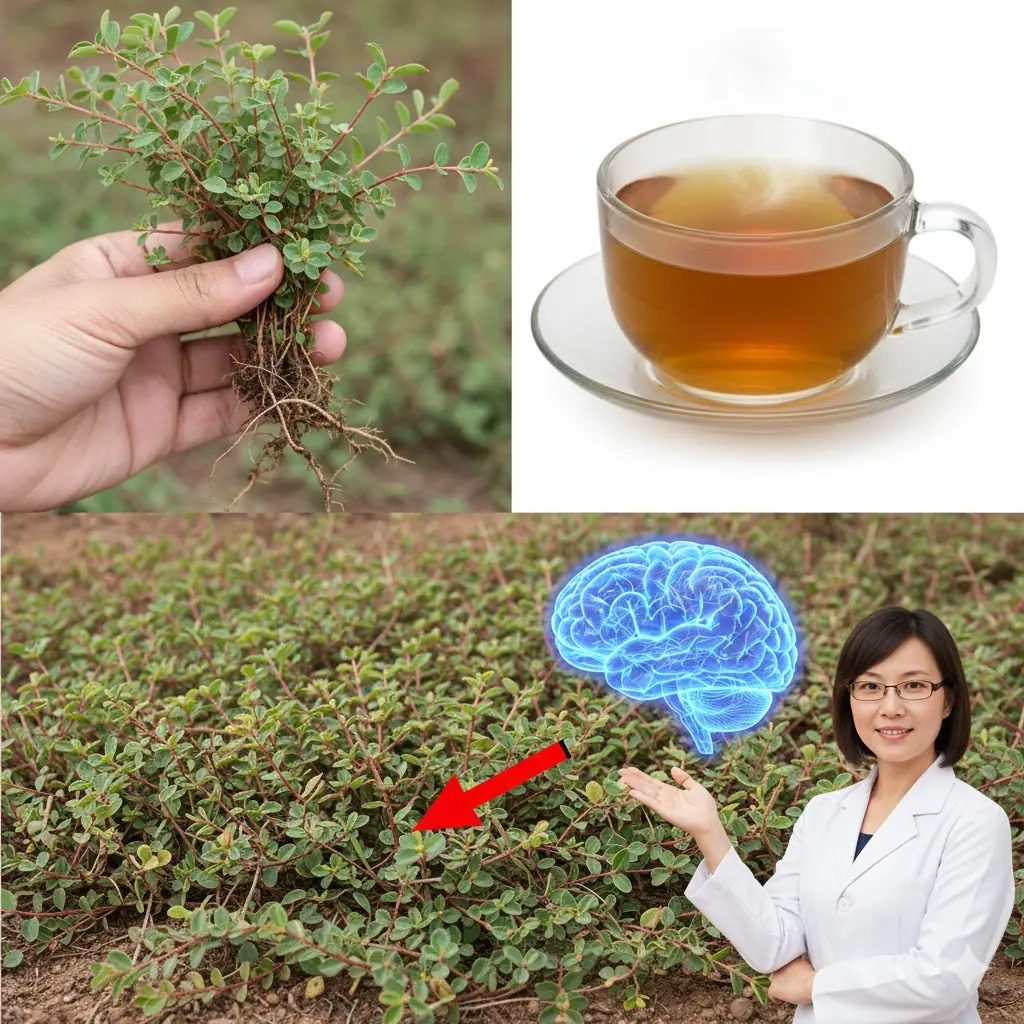
High blood pressure, also known as hypertension, is a common condition that significantly increases the risk of heart disease, stroke, and kidney problems. While medication and lifestyle changes remain the foundation of treatment, many people are interested in natural ways to support cardiovascular health. Among these, herbal teas have gained attention for their potential role in helping manage blood pressure when used responsibly.
It is important to note that herbal teas are not a replacement for prescribed medication, but certain varieties may offer supportive benefits when combined with a healthy diet, regular exercise, and medical guidance.
Some herbs contain natural compounds that promote blood vessel relaxation, improve circulation, or reduce inflammation. These effects may contribute to modest reductions in blood pressure over time. Drinking herbal tea also supports hydration and may help reduce stress—both important factors in blood pressure control.
1. Hibiscus Tea
Hibiscus tea is one of the most studied herbal teas for blood pressure. Research suggests it may help lower both systolic and diastolic blood pressure due to its antioxidant and vasodilatory properties.
2. Green Tea
Although not caffeine-free, green tea contains polyphenols that support heart health and may help improve blood vessel function when consumed in moderation.
3. Chamomile Tea
Chamomile is best known for its calming effects. By promoting relaxation and better sleep, it may indirectly support healthier blood pressure levels.
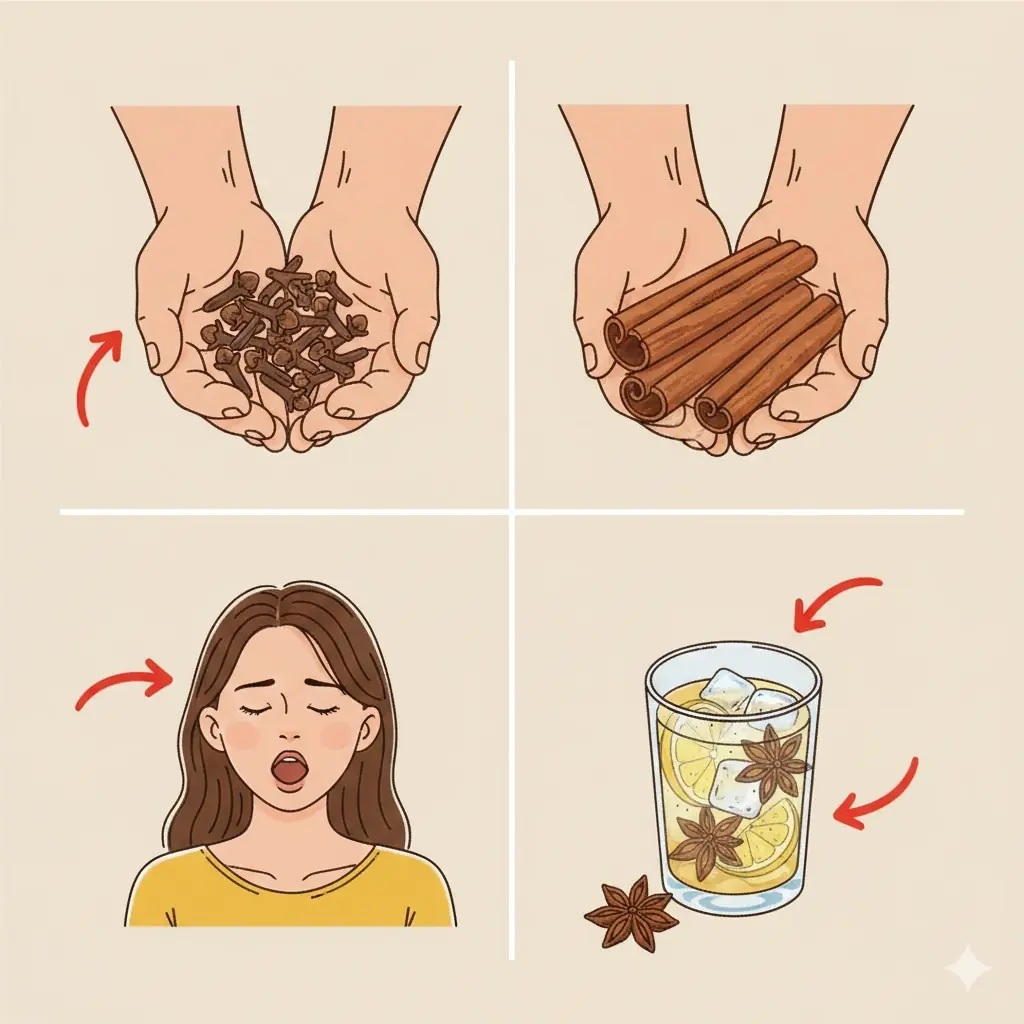
4. Cinnamon and Spice-Based Teas
Cinnamon contains compounds that may support circulation and blood vessel relaxation. When used in tea, it can be a flavorful addition with potential cardiovascular benefits.
5. Ginger Tea
Ginger has anti-inflammatory properties and may help improve blood flow. Some studies suggest it can support overall cardiovascular function.
Not all herbal teas are safe for everyone. Some herbs may interact with blood pressure medications or cause side effects when consumed in excess. Individuals with chronic conditions, pregnant women, and those taking prescription drugs should consult a healthcare provider before regularly consuming herbal teas.
While herbal teas can be a helpful addition, the most effective strategies for controlling high blood pressure include:
Reducing sodium intake
Maintaining a balanced diet (such as the DASH diet)
Exercising regularly
Managing stress
Following medical advice consistently
Herbal teas can be a comforting and potentially beneficial way to support heart health and blood pressure management. When used wisely and alongside proven medical treatments and lifestyle changes, they may offer gentle, natural support for cardiovascular well-being.