How the Stomach Constantly Rebuilds Itself to Survive Extreme Conditions
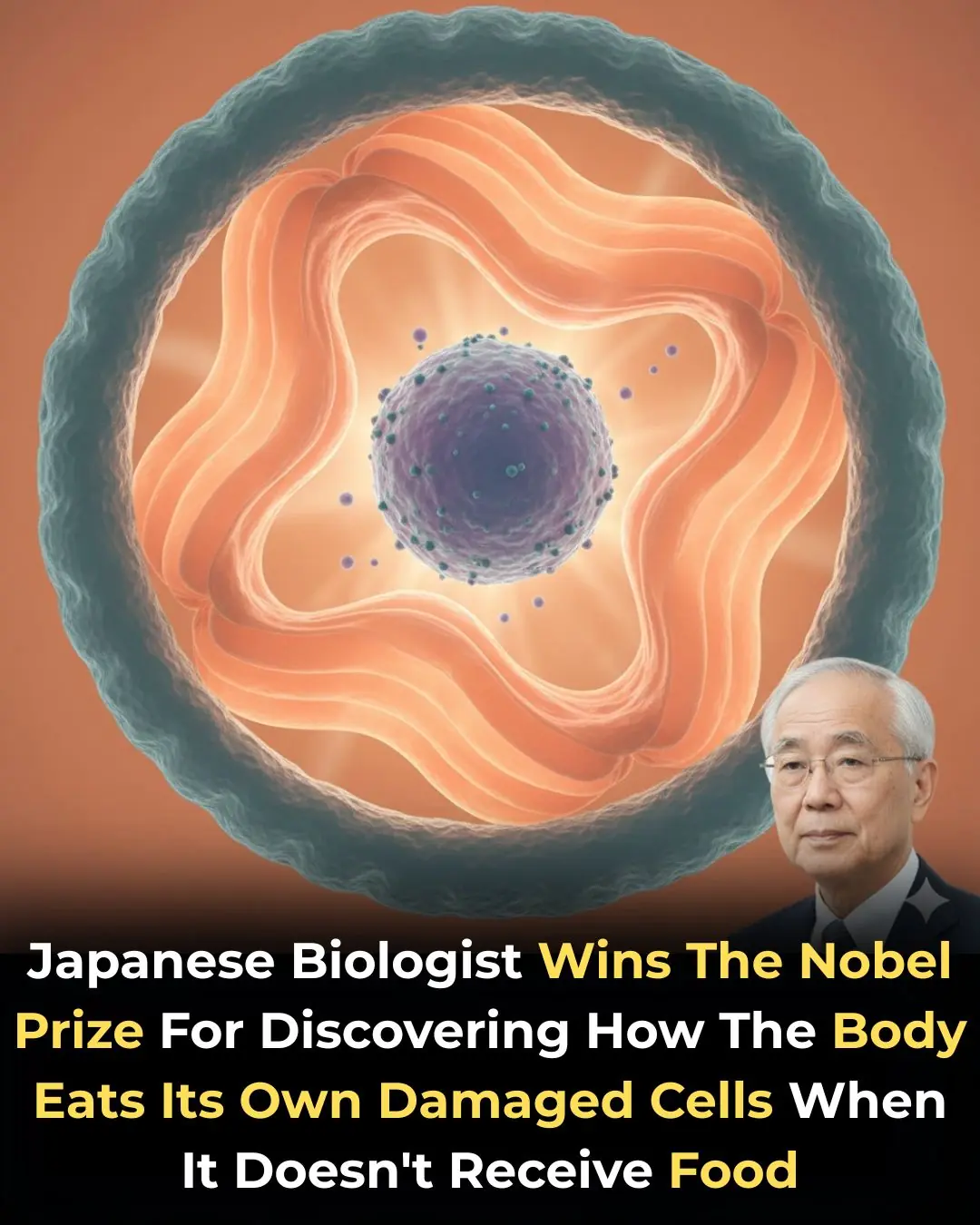
The human stomach functions in one of the harshest chemical environments in the entire body, yet it remains remarkably resilient. It does so through an extraordinary process of continuous self-renewal. The inner lining of the stomach is replaced every 2 to 4 days as aging epithelial cells are shed and new ones are rapidly generated from stem cells located in the gastric glands. This rapid cellular turnover maintains a robust protective barrier that shields the stomach’s tissues from powerful gastric acid and digestive enzymes that are strong enough to break down food and even damage most living cells.
This protective lining is composed of mucus-secreting cells, tight junctions between epithelial cells, and specialized stem cells that constantly divide to replenish damaged or worn-out tissue. Together, these structures prevent stomach acid—hydrochloric acid with a very low pH—from eroding the organ itself. They also help neutralize digestive enzymes such as pepsin, which would otherwise begin digesting the stomach wall just as they digest proteins in food.
Without this ongoing regeneration, the consequences would be severe. If the epithelial barrier breaks down, the stomach can essentially begin to digest its own surface. This leads to inflammation, erosions, and ulcer formation, and in serious cases, internal bleeding or perforation of the stomach wall. Conditions such as gastritis and peptic ulcer disease often result when this balance between tissue injury and repair is disrupted, whether by infection with Helicobacter pylori, long-term use of certain medications, or chronic stress.
By continually renewing itself, the stomach not only protects against chemical injury but also repairs everyday microscopic damage that occurs during digestion. This rapid healing capacity allows the stomach to maintain structural integrity, support nutrient processing, and function safely despite constant exposure to acid, enzymes, and mechanical stress from food movement. It is a powerful example of how the body uses stem cells and controlled cell turnover to preserve organ health over a lifetime.
In essence, the stomach survives not because it is resistant to acid, but because it is constantly rebuilding the very tissue that acid could destroy. Its ability to renew itself every few days stands as one of the most impressive self-maintenance strategies in human biology.
Credible sources relevant to this topic (no external links):
• National Institutes of Health – Research on gastric stem cells and epithelial turnover
• American Physiological Society – Studies on stomach lining regeneration and acid protection
• World Health Organization – Information on gastritis and peptic ulcer disease
• Leading journals such as Gastroenterology and Nature Reviews Gastroenterology & Hepatology on gastric mucosal biology