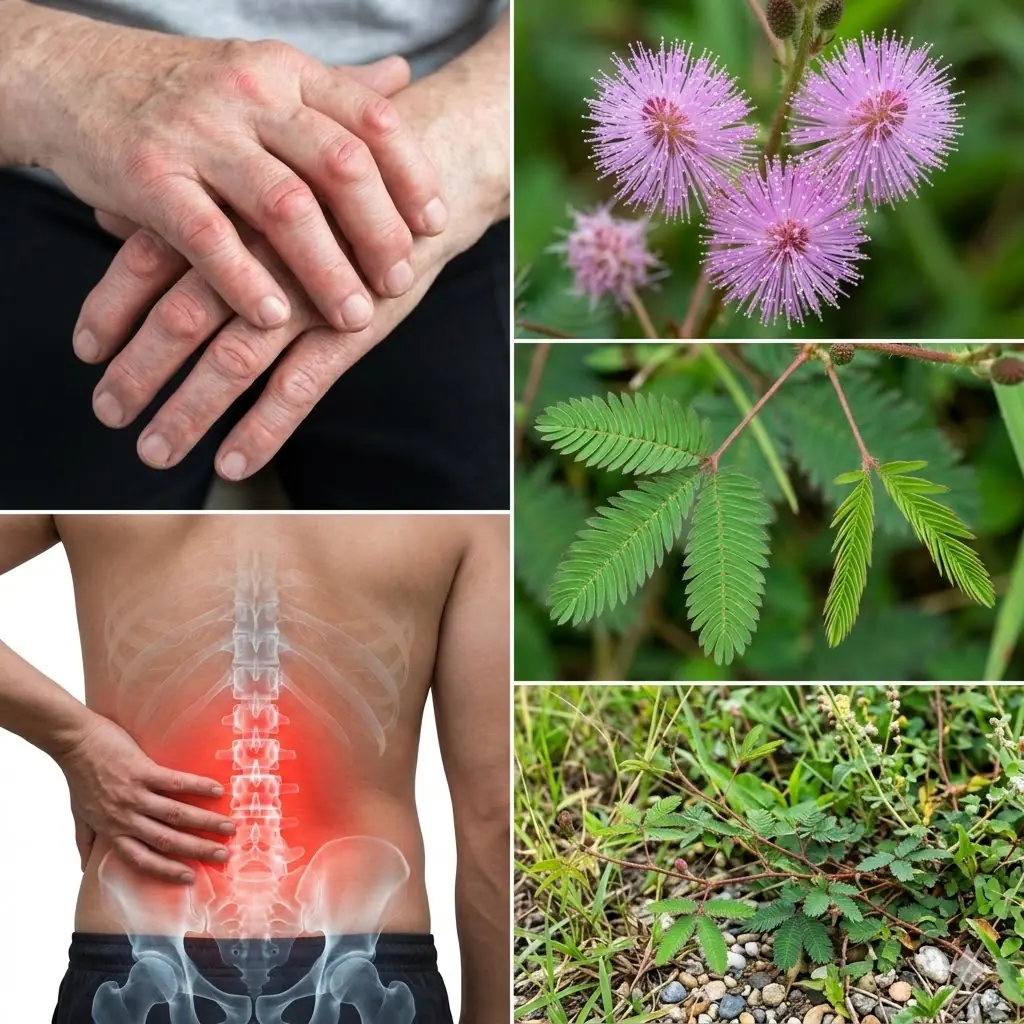
🌿 What Rosemary Can Actually Do
Health 04/03/2026 21:53
Hip pain is more than just a minor inconvenience. It can affect how you walk, sit, sleep, and perform everyday activities. For some people, it appears as a dull ache deep in the groin. For others, it may be a sharp pain when climbing stairs, standing up from a chair, or getting out of bed in the morning.
The causes of hip pain can vary widely. Sometimes it results from overuse, muscle strain, or minor injury. In other cases, it may be related to joint conditions, inflammation, or structural issues that develop over time.
The good news is that most cases of hip pain are not caused by serious disease, and with proper care, many people experience significant improvement.
Understanding where the pain comes from and what might be causing it can help you respond appropriately instead of worrying unnecessarily.
Because the first step toward real healing is understanding your body—not guessing what might be wrong.
The location of the pain can often provide important clues about its source.
Pain felt in the groin area often originates from the hip joint itself. This type of discomfort may be related to:
Osteoarthritis
Hip labral tears
Hip joint inflammation or bursitis
People may notice stiffness, deep aching, or discomfort during activities like walking, bending, or getting up from a seated position.
Pain on the outside of the hip is commonly associated with trochanteric bursitis or irritation of the tendons around the hip.
This pain often worsens when:
Lying on the affected side
Walking for long distances
Climbing stairs
It may also feel tender when pressing on the outer hip.
Pain in the buttock or upper thigh often originates from the lower back rather than the hip joint itself.
Conditions such as sciatica or piriformis syndrome can irritate nearby nerves, causing pain that radiates into the hip area.
Sometimes hip pain does not actually come from the hip. Problems in the spine, pelvis, or even the knees can create discomfort that feels like it is coming from the hip.
This is why proper diagnosis is important, especially when pain persists.
Osteoarthritis is the most common type of hip arthritis. It occurs when the protective cartilage within the joint gradually wears down over time.
Symptoms may include:
Stiffness, especially in the morning
Pain during movement
Reduced range of motion
Difficulty with activities like bending or walking
Several factors increase the likelihood of developing hip osteoarthritis:
Age over 50
Previous hip injuries
Family history of arthritis
Excess body weight
Even a small increase in body weight can place significant extra stress on the hip joints.
Bursae are small fluid-filled sacs that act as cushions between bones and soft tissues. When they become inflamed, the condition is known as bursitis.
Two common types include:
Trochanteric bursitis
Causes pain on the outer hip
Often worsens when lying on the affected side
Iliopsoas bursitis
Causes pain in the front or groin area
Often aggravated by lifting the knee or bending the hip
Bursitis is frequently linked to repetitive movements, long periods of standing, or overuse during exercise.
Tendinitis occurs when tendons around the hip become irritated or inflamed. This can happen due to repetitive movement, muscle imbalance, or aging.
Commonly affected tendons include those connected to the:
Gluteal muscles
Hamstrings
Iliopsoas muscle
Pain typically worsens with activity and improves with rest.
Athletes and individuals with physically demanding routines are more prone to these injuries.
The labrum is a ring of cartilage that surrounds the hip socket and helps stabilize the joint.
A labral tear can occur due to:
Injury or trauma
Structural abnormalities such as femoroacetabular impingement (FAI)
Gradual degeneration over time
Symptoms often include:
Deep groin pain
Clicking or popping sensations in the hip
Locking or catching during movement
This condition is often seen in dancers, athletes, and active young adults.
Hip injuries can occur from falls, sports accidents, or sudden impacts.
Possible injuries include:
Muscle strains
Hip dislocations
Stress fractures
Full fractures of the hip bone
Stress fractures are especially common among long-distance runners or military trainees, as they develop gradually from repetitive stress.
Older adults are at higher risk of hip fractures due to osteoporosis and reduced bone density.
Some forms of hip pain are caused by inflammatory or autoimmune conditions, including:
Rheumatoid arthritis (RA)
An autoimmune disease that causes joint inflammation, swelling, and stiffness.
Ankylosing spondylitis
A chronic inflammatory condition that primarily affects the spine and hips.
Septic arthritis
A rare but serious infection inside the joint that requires urgent treatment.
These conditions require prompt medical evaluation and professional care.
While mild hip discomfort may improve with rest and gentle movement, certain symptoms should prompt immediate medical attention.
Watch for:
❗ Severe pain after a fall or injury
❗ Inability to bear weight on the affected leg
❗ Significant swelling, warmth, or redness around the joint
❗ Fever accompanied by hip pain
❗ Numbness, tingling, or weakness in the leg
❗ Pain that wakes you during the night
If hip pain persists for more than one to two weeks, it is advisable to consult a healthcare professional.
Although genetics and aging play a role in joint health, lifestyle habits can significantly reduce stress on the hips.
Excess body weight increases pressure on the hip joints. Even small weight reductions can noticeably reduce joint strain.
Low-impact activities such as walking, swimming, or cycling help maintain joint mobility and strengthen surrounding muscles.
Strong core and glute muscles help stabilize the pelvis and reduce unnecessary pressure on the hips.
Gentle stretching improves flexibility and helps prevent muscle imbalances that may contribute to hip discomfort.
Shoes with proper cushioning and support can reduce impact forces while walking or standing for long periods.
💡 Tip: Avoid sitting for extended periods. Try standing up and moving around every 30 minutes.
Several misconceptions about hip pain can lead to unnecessary fear.
Myth: Only older adults develop hip arthritis.
Reality: Younger individuals can develop it too, especially after injuries.
Myth: Popping or cracking hips mean something is damaged.
Reality: Occasional popping is usually harmless unless accompanied by pain.
Myth: Complete rest is the best treatment for hip pain.
Reality: Gentle movement and strengthening exercises are often more helpful.
Myth: If an X-ray looks severe, surgery is inevitable.
Reality: Many people with severe imaging findings experience minimal symptoms.
Medical evaluation is recommended if:
Pain interferes with daily activities or sleep
You begin limping or favoring one leg
Home treatments do not help after 1–2 weeks
A healthcare provider may suggest:
Physical therapy
Imaging tests such as X-ray or MRI
Blood tests to evaluate inflammatory conditions
Injections or, in advanced cases, hip replacement surgery
Early diagnosis often leads to better treatment outcomes and faster recovery.
Living with hip pain is not something you simply have to accept.
At the same time, drastic treatments are not always necessary.
The next time you feel stiffness or discomfort in your hips, take a moment to pause.
Move gently.
Listen to your body.
Seek answers when needed.
True relief comes not from ignoring pain or pushing through it—but from understanding what your body needs and responding with care.
And that thoughtful approach can help keep you strong, mobile, and active for many years to come.