Woman lost both kidneys before turning 30: Doctor warns of 2 habits that cause kidney failure
Health 03/03/2026 22:51
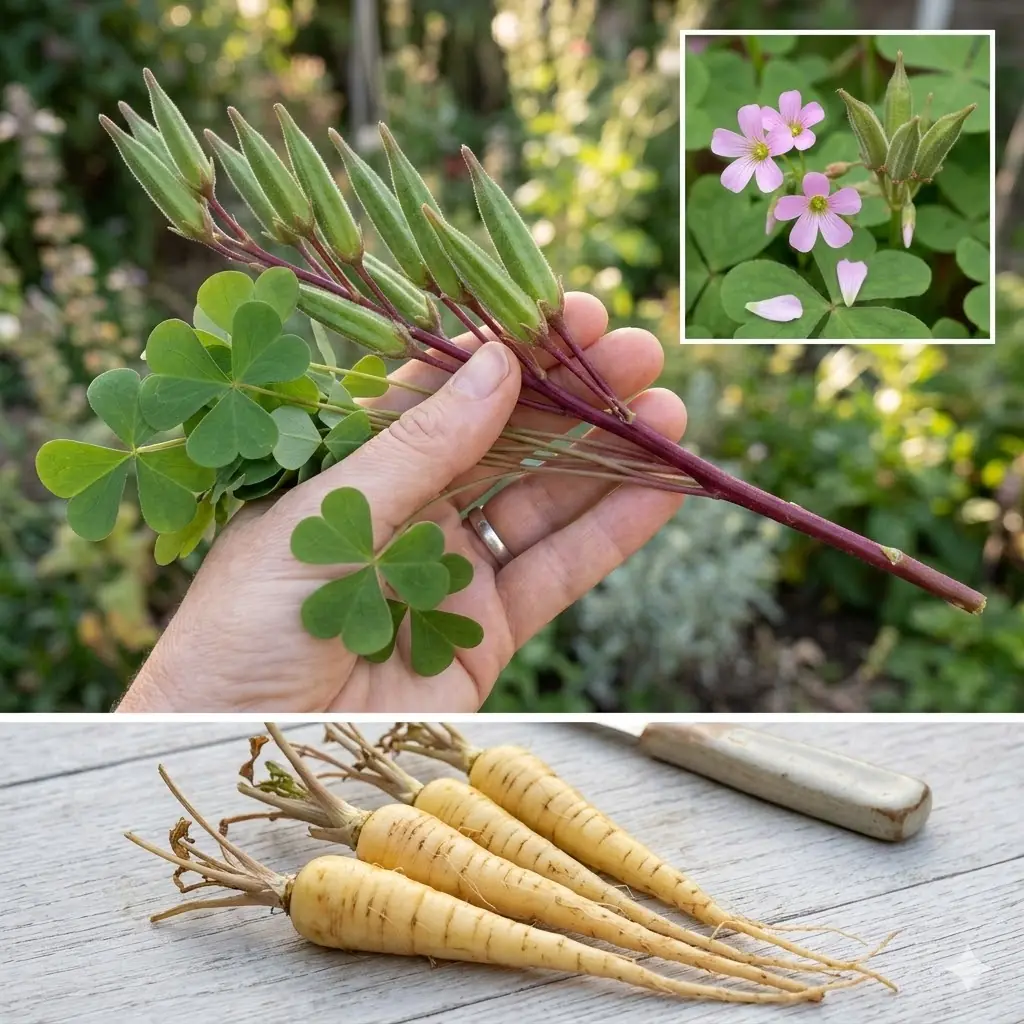
Azedinha is one of those quiet, unassuming plants most people walk past without a second glance. It grows effortlessly in gardens, forests, sidewalks, lawns, and disturbed soil, forming delicate green carpets dotted with small yellow, white, or pinkish flowers. Because its leaves resemble clover, it is often mistaken for a common weed.
In reality, azedinha belongs to the Oxalis genus and has a long history of use in traditional food practices and folk wellness across Europe, Asia, and the Americas.
For centuries, this modest plant has been appreciated for its refreshing sour taste, gentle cooling sensation, and subtle support for digestion and overall balance. While modern life has pushed azedinha into obscurity, its traditional uses remain surprisingly relevant today.
In this article, you’ll learn what azedinha is, how to identify it correctly, its traditional benefits, everyday uses, and important safety considerations.
The name azedinha refers to several species within the Oxalis genus. The most common include:
Oxalis acetosella
Oxalis corniculata
Oxalis stricta
These species share similar characteristics:
Three heart-shaped leaflets
Small five-petaled flowers (usually yellow, sometimes white or pink)
Thin, delicate, creeping stems
A distinctly sour, lemon-like flavor
The tangy taste comes from naturally occurring oxalic acid, the same compound found in plants like rhubarb and true sorrel.
Azedinha thrives in moist soil, partial shade, and disturbed areas, making it common in both natural and urban environments.
Azedinha has never been considered a “strong” medicinal plant. Instead, it has traditionally been valued as a gentle, everyday ally, offering subtle support rather than dramatic effects.
The plant’s natural acidity may help stimulate saliva and digestive juices, traditionally used to:
Ease bloating
Support appetite
Promote smoother digestion
Small amounts were often consumed before or after meals to “wake up” the stomach.
Azedinha has long been associated with a cooling sensation in the body. Traditionally, it was used to:
Quench thirst
Reduce the sensation of excessive heat
Refresh the mouth and throat
This made it popular among travelers and field workers before modern beverages existed.
The leaves contain vitamin C and plant polyphenols, which may contribute to:
Cellular protection
General immune support
Reducing oxidative stress
It is not a “superfood,” but it complements a balanced, varied diet.
In folk traditions, azedinha tea was used for:
Mild mouth irritation
Throat discomfort
Gentle digestive inflammation
Its effects are subtle and calming rather than intense.
Very mild infusions were historically used to:
Support hydration
Help the body feel cooler
Ease discomfort
Because of its mild diuretic nature, azedinha was traditionally used to encourage:
Gentle urinary flow
Elimination of excess fluids
Fresh crushed leaves were applied externally for:
Insect bites
Minor skin irritation
Sun-warmed skin
The juice provides an immediate cooling sensation.
Azedinha is valued not only for traditional wellness uses, but also as a practical wild plant.
Leaves and flowers can be eaten raw in small amounts:
In salads
As a garnish
In sandwiches
Sprinkled over soups
They add a pleasant, lemon-like acidity.
A mild tea can be prepared from fresh or dried leaves:
Light, refreshing flavor
Traditionally used for digestion and cooling
Historically used to:
Flavor drinks
Brighten simple dishes
Replace lemon when citrus was unavailable
Leaves can be briefly infused in water or vinegar to create:
Refreshing drinks
Light traditional tonics
Acidic culinary bases
Because it is common and easy to recognize, azedinha is ideal for teaching:
Beginner foraging
Plant identification
Children about edible wild plants
To avoid confusing it with clover or other plants, look for:
Heart-shaped leaflets (not oval)
A sour taste when chewing a small piece
Thin, flexible stems
Small yellow or pale flowers
Clover does not have a sour taste.
Harvest young, healthy leaves
Avoid polluted areas or roadsides
Wash thoroughly before use
Use fresh or dry in the shade
Dried leaves should be stored in airtight containers, away from light and moisture.
While azedinha is edible, moderation is essential.
Because it contains oxalic acid, excessive consumption may contribute to:
Kidney stone formation
Reduced mineral absorption
Digestive irritation
Avoid or limit use if you:
Have kidney disease or a history of kidney stones
Have gout
Are pregnant
Plan to give it to young children
Do not consume large quantities daily or use it long-term as a medicinal plant.
This article is for educational purposes only and does not replace professional medical advice.
Azedinha proves that true value is not always found in the most eye-catching plants. Small and discreet, it offers gentle digestive support, refreshing flavor, light nutritional value, and a long history of safe traditional use when enjoyed in moderation.
For foragers, gardeners, and natural-living enthusiasts, azedinha is a reminder that even the most overlooked plants can hold quiet, meaningful value when respected and used wisely.
✨ Enjoyed this article? Share it with your friends!