Health 2026-02-09 20:49:42
Homemade Pumpkin Remedies for High Blood Sugar, Cholesterol, and Artery Health
umpkin—also known in many countries as squash or auyama—is one of the most valued foods in natural nutrition thanks to its high content of fiber, antioxidants, vitamins, and anti-inflammatory compounds. In recent years, it has gained attention among people looking to support healthy blood sugar levels, reduce cholesterol, and improve cardiovascular health in a natural way.
In this article, you’ll find practical homemade pumpkin remedies explained clearly and responsibly, based on real nutritional principles. These are not miracle cures, but natural supports that can complement a healthy lifestyle.
Important: This information does not replace medical treatment. People with diabetes, high cholesterol, or cardiovascular disease should consult a healthcare professional before making significant dietary changes.

What Is Pumpkin and Why Is It So Beneficial?
Pumpkin is a nutrient-dense vegetable that is naturally low in calories, making it ideal for preventive and supportive diets.
Key Nutrients in Pumpkin
-
Soluble and insoluble fiber
-
Beta-carotene (a precursor of vitamin A)
-
Vitamins C and E
-
Potassium and magnesium
-
Natural antioxidants
-
Low glycemic load when consumed properly
Thanks to this combination, pumpkin can support blood sugar control, help reduce LDL (“bad”) cholesterol, and contribute to healthier arteries.
Health Benefits of Pumpkin for Metabolic and Cardiovascular Health
1. Helps Regulate Blood Sugar
The fiber in pumpkin slows down the absorption of glucose, helping to prevent sharp spikes in blood sugar. When eaten in reasonable portions, pumpkin fits well into balanced meals for people with insulin resistance or prediabetes.
2. Supports Cholesterol Reduction
Soluble fiber binds to bile acids in the digestive tract, helping the body eliminate excess cholesterol and reducing its reabsorption.
3. Contributes to Artery Health
Pumpkin’s antioxidants help fight oxidative stress, one of the key factors involved in arterial stiffness and plaque formation.
4. Promotes Heart Health
Potassium helps regulate blood pressure, while pumpkin’s anti-inflammatory compounds support overall cardiovascular function.
Homemade Pumpkin Remedy for High Blood Sugar
Steamed Pumpkin Purée (Daily, Controlled Use)
Ingredients
-
1 cup cooked pumpkin
-
Water (no salt)
-
Optional: a pinch of cinnamon
Preparation
-
Steam or boil the pumpkin without salt.
-
Mash or blend until smooth.
-
Add a small pinch of cinnamon if desired.
How to Consume
-
½ cup per day
-
Preferably at lunch
-
Combined with protein and healthy fats
Why It Works
The combination of fiber and antioxidants helps stabilize glucose levels and supports better insulin response.
Homemade Pumpkin Remedy to Lower Cholesterol
Pumpkin Smoothie with Oats and Flaxseed
Ingredients
-
½ cup cooked pumpkin
-
1 tablespoon whole oats
-
1 teaspoon ground flaxseed
-
1 glass of water
Preparation
Blend all ingredients until smooth. Do not sweeten.
How to Take It
-
3 times per week
-
In the morning or mid-morning
Main Benefit
The soluble fiber from pumpkin, oats, and flaxseed helps reduce fat absorption in the intestine.
Natural Pumpkin Recipe to Support Artery Health
It’s important to clarify that arteries are not “cleaned” like pipes. What diet can do is improve elasticity, reduce inflammation, and slow plaque progression.
Pumpkin Cream with Garlic and Olive Oil
Ingredients
-
1 cup cooked pumpkin
-
1 small garlic clove
-
1 tablespoon extra virgin olive oil
-
Water
Preparation
Blend all ingredients into a smooth cream and consume warm.
Frequency
-
2 times per week
-
Preferably at dinner
Why It Helps
-
Pumpkin provides antioxidants
-
Garlic supports circulation
-
Olive oil protects the blood vessels
How Long Should You Use These Remedies?
Pumpkin works gradually, not overnight.
-
Initial metabolic improvements: 2–3 weeks
-
More stable benefits: 2–3 months
-
Always alongside a balanced diet
Consistency is key.
Common Mistakes When Using Pumpkin for Health
-
Eating it fried or with sugar
-
Exceeding portion sizes
-
Using it as a substitute for medication
-
Combining it mainly with refined flours
These habits can cancel out its benefits.
Who Should Be Cautious?
Pumpkin is generally safe, but moderation is important for:
-
People with poorly controlled diabetes
-
Patients with kidney problems (due to potassium)
-
People on very low-carb diets
When in doubt, professional guidance is the best choice.
Tips to Maximize Pumpkin’s Benefits
-
Eat a diet rich in vegetables
-
Reduce sugar and trans fats
-
Stay physically active
-
Drink enough water
-
Sleep well
Pumpkin works best as part of a healthy lifestyle, not as a standalone solution.
Frequently Asked Questions
Can I eat pumpkin every day?
Yes, in moderate portions and as part of balanced meals.
Does pumpkin raise blood sugar?
Not when it’s cooked plainly, without sugar, and eaten in reasonable amounts.
Is raw pumpkin useful for these purposes?
It’s not recommended. Cooked pumpkin is easier to digest and more practical for these goals.
Pumpkin and Blood Sugar Control: A Closer Look
Diet plays a major role in blood glucose management, especially for people with prediabetes or type 2 diabetes. Pumpkin stands out because of its balanced nutritional profile when prepared correctly.
Glycemic Index and Why It Matters
Cooked pumpkin has a moderate glycemic index, but a low glycemic load when eaten in proper portions. This means:
-
It doesn’t cause sharp glucose spikes
-
It supports more stable energy levels
-
It reduces stress on the pancreas
Preparation method and food combinations make a big difference.
Best Food Combinations
For better blood sugar control, combine pumpkin with:
-
Proteins (eggs, fish, legumes)
-
Healthy fats (olive oil, avocado)
-
Extra fiber (green vegetables)
These combinations slow digestion and improve metabolic response.
Pumpkin and Cholesterol: How It Really Works
Lowering cholesterol isn’t just about numbers—it’s about improving fat quality in the blood and reducing inflammation.
The Role of Soluble Fiber
Soluble fiber in pumpkin:
-
Binds to bile acids
-
Helps remove cholesterol
-
Reduces fat reabsorption
This happens gradually and naturally.
Antioxidants and LDL Oxidation
The real risk isn’t just LDL cholesterol, but its oxidation. Pumpkin’s beta-carotene helps:
-
Protect lipoproteins
-
Reduce oxidative damage
-
Lower the risk of plaque formation
Pumpkin and Artery Health: What It Can (and Can’t) Do
“Cleaning the arteries” is a popular phrase, but from a scientific point of view, what’s realistic is:
-
Reducing inflammation
-
Improving vessel elasticity
-
Slowing plaque progression
-
Supporting better circulation
Pumpkin contributes to these processes through its protective nutrients.
Potassium, Magnesium, and Vascular Function
These minerals help:
-
Regulate blood pressure
-
Relax blood vessels
-
Reduce arterial stiffness
That means less strain on the heart over time.
Pumpkin Seeds: A Powerful and Often Ignored Complement
Pumpkin seeds are a nutritional bonus:
-
Rich in zinc
-
Source of healthy fats
-
Support cholesterol balance
-
Help metabolic health
How to Use Them
-
Lightly toasted, no salt
-
Ground and added to salads or smoothies
-
About 1 tablespoon per day is enough
In moderation, they don’t raise blood sugar.
Simple Weekly Plan with Pumpkin
Monday: Pumpkin purée + baked fish
Wednesday: Pumpkin cream with garlic and olive oil
Friday: Pumpkin, oat, and flaxseed smoothie
Sunday: Roasted pumpkin with vegetables and seeds
This kind of planning makes it easier to use pumpkin consistently.
Common Myths About Pumpkin
“Pumpkin is bad for diabetics.”
False. The problem is portion size and preparation, not pumpkin itself.
“Pumpkin makes you gain weight.”
False. It’s low in calories and high in fiber.
“It’s just food, not supportive for health.”
Incomplete. It’s not medicine, but it has real functional benefits.
Pumpkin in Traditional Nutrition
In many cultures, pumpkin has been used to:
-
Strengthen the body
-
Improve digestion
-
Support circulation
-
Reduce internal inflammation
It’s often seen as a balancing and protective food.
Signs Pumpkin Is Helping Your Body
With regular, sensible use, some people notice:
-
Better digestion
-
Less bloating
-
More stable energy
-
Better appetite control
-
Gradually improved lab results
These changes are usually slow and cumulative.
The Importance of a Whole-Lifestyle Approach
No single food works in isolation. Pumpkin:
-
Does not replace medication
-
Does not cure disease
-
Does support natural body processes
Real benefits come from combining it with:
-
Balanced nutrition
-
Regular physical activity
-
Proper medical follow-up
-
Stress management
Conclusion
Pumpkin is a functional, nutrient-rich food that can be a valuable natural ally for people who want to support healthy blood sugar levels, reduce cholesterol, and care for their arteries.
Used consciously, responsibly, and consistently, it can offer real, sustainable benefits. It’s not a miracle cure—but it is a powerful tool within a healthy diet.
News in the same category

20 Subtle Cancer Symptoms Commonly Missed

5 Traits Women With Small Social Circles Often Share

Head Injuries May Show Delayed Symptoms, Experts Warn

3 Evening Habits That Are Silently Stealing Your Lifespan

The Nose Knows: Can Your Sense of Smell Predict Death?
Why You Naturally Sleep With One Foot Outside the Blanket – The Surprising Science Behind It
The Silent Culprit That Keeps Your Stomach From Healing (And Most People Ignore It)
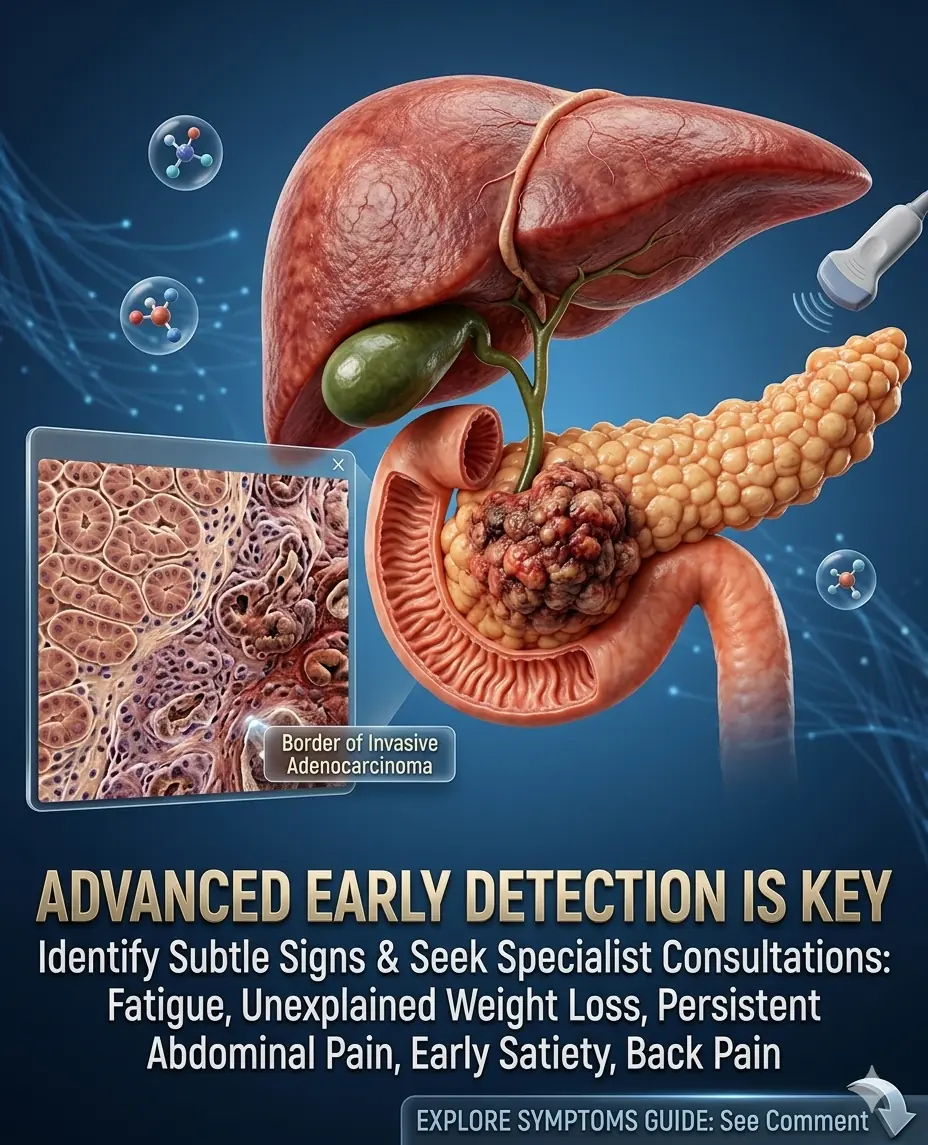
10 Warning Signs of Pancreatic Cancer You Should Never Ignore
Blood Pressure Drug Recalled After Cancer-Causing Chemicals Detected: What You Need to Know
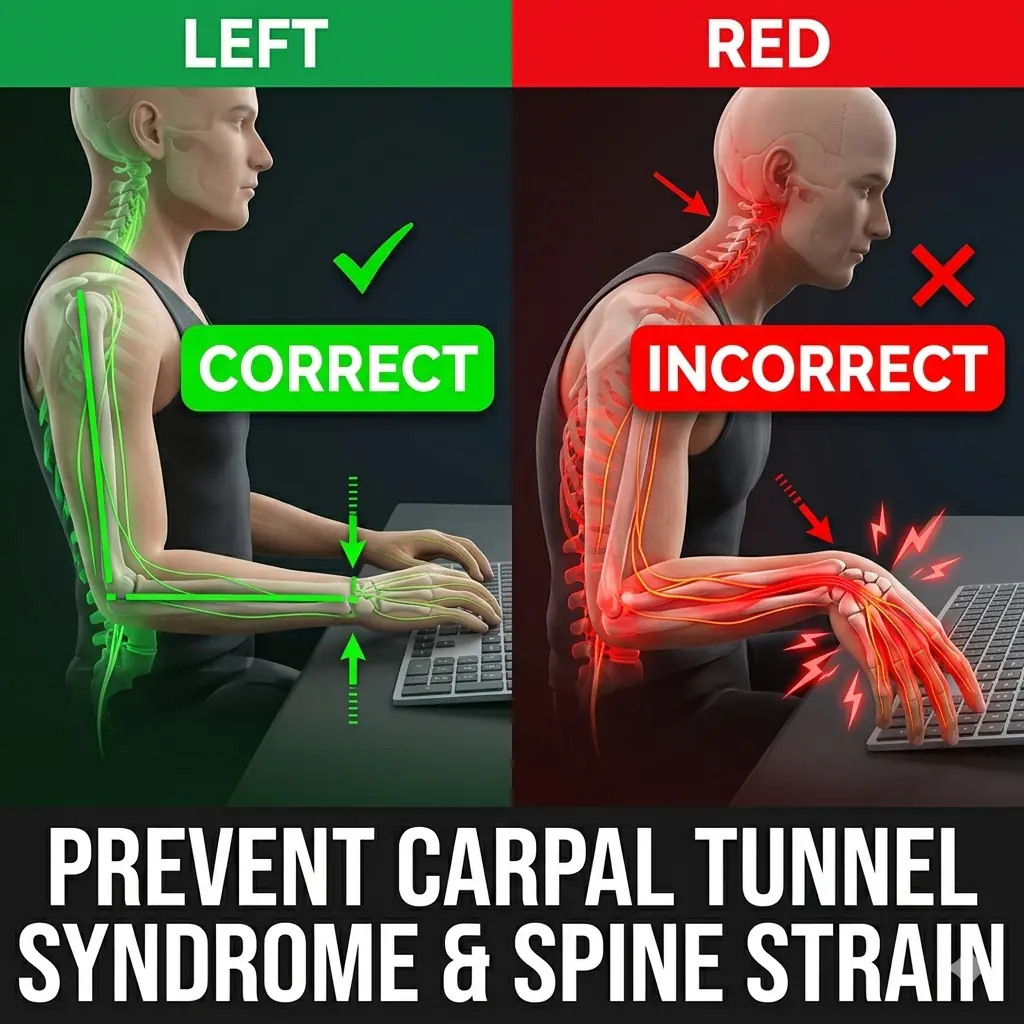
Correct vs Wrong Sitting Posture: How Poor Wrist Position Can Damage Your Nerves
Many people believe that storing leftovers in the fridge automatically makes them safe to eat the next day
Doctors reveal that eating avocado causes... see more

5 Alarming Stroke Warning Signs to Watch for in Young People

Is He Pulling Away? The Real Reason Your Partner Turns Their Back While Sleeping

If Your Cat Sleeps Next to You, It Might Be Trying to Tell You Somethin
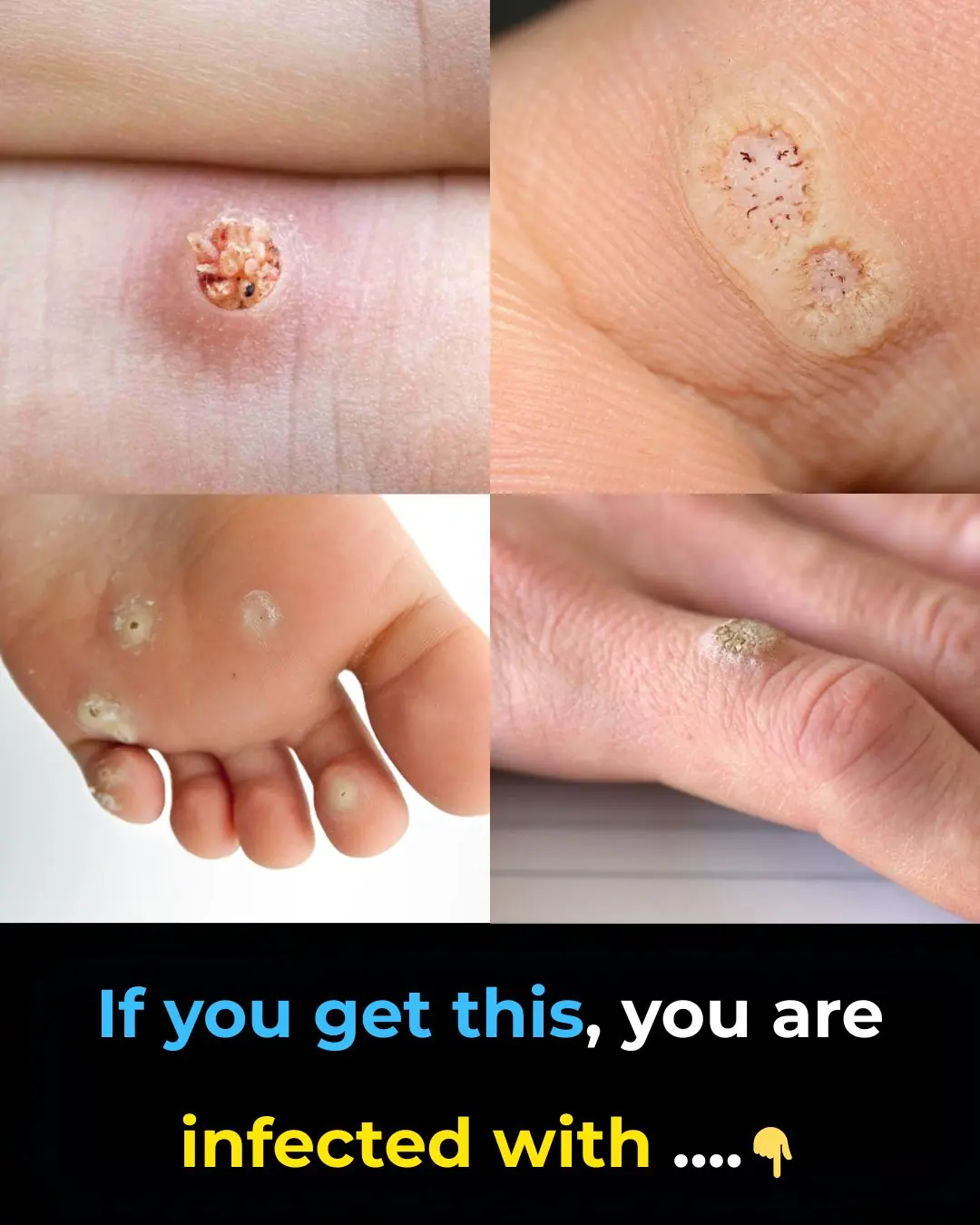
6 Types of Warts: Signs, Symptoms, Home Remedies, and Treatment
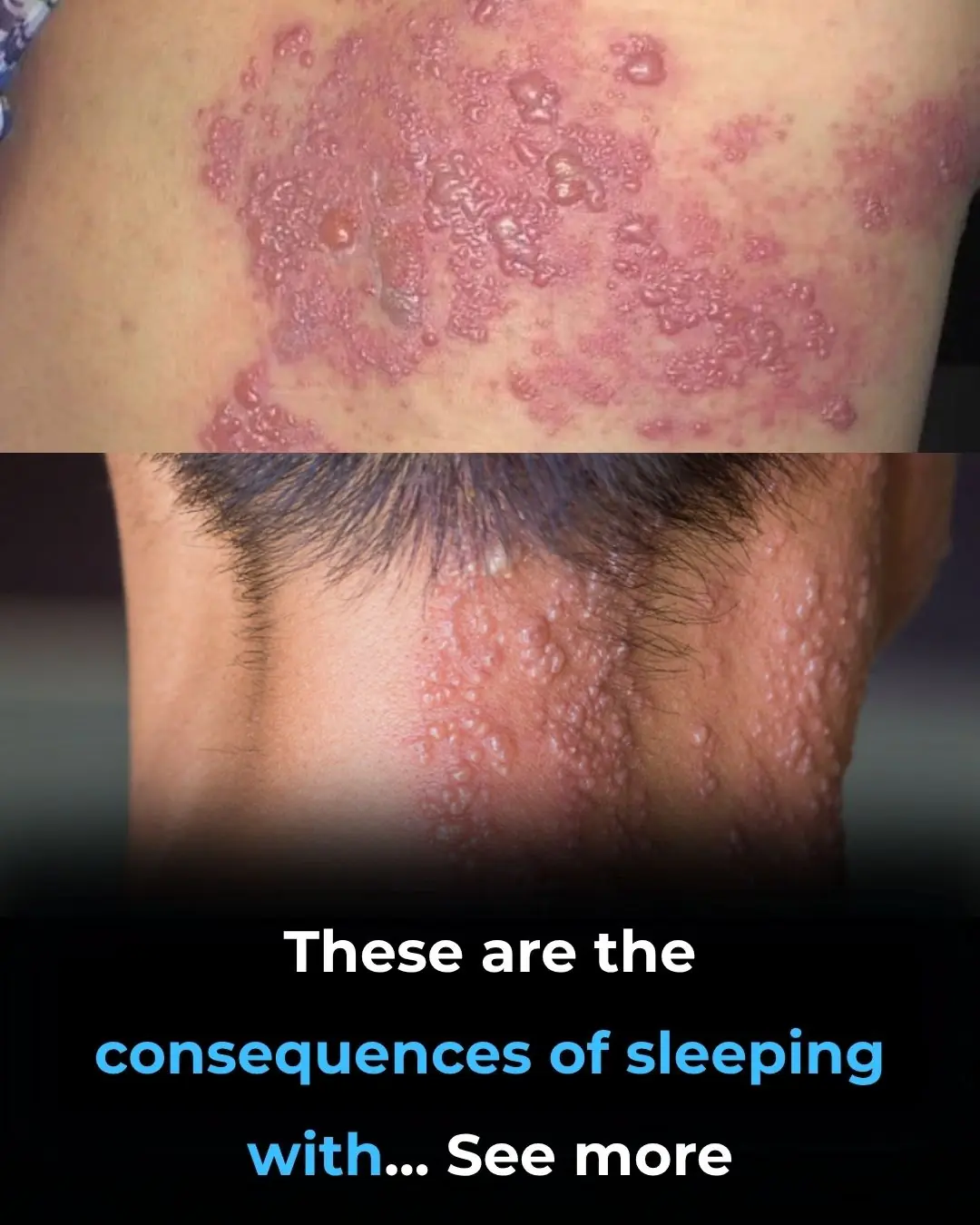
These are the Consequences of Sleeping with the Fan On
This Simple Night Routine May Help Protect Your Heart (And Most People Ignore It)

Cancer Often Shows No Pain at First – But These 8 Bathroom Warning Signs Should Never Be Ignored
News Post

5 Types of Women Men Never Truly Forget
Facts 15/04/2026 17:06

What Kind of Woman Are You? 👗
Facts 15/04/2026 17:02

The Narrowing Path: Can the U.S. and Iran De-escalate Amid Rising Middle East Tensions?
News 15/04/2026 15:56

Tensions Flare in the Strait of Hormuz: A High-Stakes Game of Brinkmanship Between the US and Iran
News 15/04/2026 15:37

My daughter came home one day and told me she wanted me to meet her fiancé. I never expected the moment he walked through the door to stop everything cold.
Life stories 15/04/2026 15:27

Battle-Scarred: US Air Force KC-135 Covered in ‘Speed Tape’ May Face Retirement After Middle East Damage
News 15/04/2026 15:26

The “Castle Waitress” Was FORCED to Kneel and Wipe the Bride’s Shoes — They Had NO IDEA She Owned the WHOLE Estate
Life stories 15/04/2026 15:15

Mother-in-Law Arrived for Her Birthday—Then I Exposed Her Secret Plot to Steal My Home in Front of Everyone
Life stories 15/04/2026 15:05

The supervisor thought she had all the power—until one key proved otherwise
Life stories 15/04/2026 14:49
If Your Hands Start Looking Like This… It’s Not Just Dry Skin — It Could Be a Warning Sign
Health 15/04/2026 14:47

PART 2: “YOU DID THIS TO ME!! THIS IS YOUR FAULT!!”
Life stories 15/04/2026 13:48

Former Treasury secretary says guardrails are needed to avoid US-China 'mutually assured economic disruption'
News 15/04/2026 11:19
20 Subtle Cancer Symptoms Commonly Missed
Health 15/04/2026 10:50
5 Traits Women With Small Social Circles Often Share
Health 15/04/2026 10:06
Amazing Health Benefits of Beetroot You Should Know
Garden Healthy 15/04/2026 09:58

What’s Wrong in This Picture? Only People With Sharp Eyes Can Spot It!
Tips 15/04/2026 09:48

Beyond the Glances: 7 Things That Men Actually Notice In Women
Tips 15/04/2026 09:31

Psychologists Reveal What an Unmade Bed Really Says About You—The Truth Might Surprise You 😳👇
Facts 15/04/2026 08:55

The Heartwarming Truth Behind the School Security Guard Who Secretly Fixed Students' Shoes for 5 Years
Tips 15/04/2026 08:53

Black Kids Denied Boarding First Class–5 Minutes Later, Their Father’s Phone Call Stops A
Life stories 15/04/2026 01:27