
The World’s Deadliest Food Still Eaten by Millions Every Year
Health 16/04/2026 09:08
Cherished for centuries not only for their intoxicating aroma and bold, layered flavors but also for their remarkable therapeutic properties, chai spices deserve a permanent place in a balanced, health-conscious diet. Across generations and continents, these spices have been used in traditional healing systems such as Ayurveda and traditional herbal medicine. When blended into the iconic drink known as masala chai, they create more than just a comforting beverage—they form a synergistic combination that supports overall well-being, from digestion to heart health.
Whether enjoyed for warmth on a cold day or consumed intentionally for its wellness benefits, masala chai remains a timeless favorite that bridges cultures and traditions.
The five core chai spices—cloves, cinnamon, ginger, anise, and cardamom—each bring distinct health-promoting qualities. When combined, their benefits are amplified, offering both flavor complexity and functional nourishment.
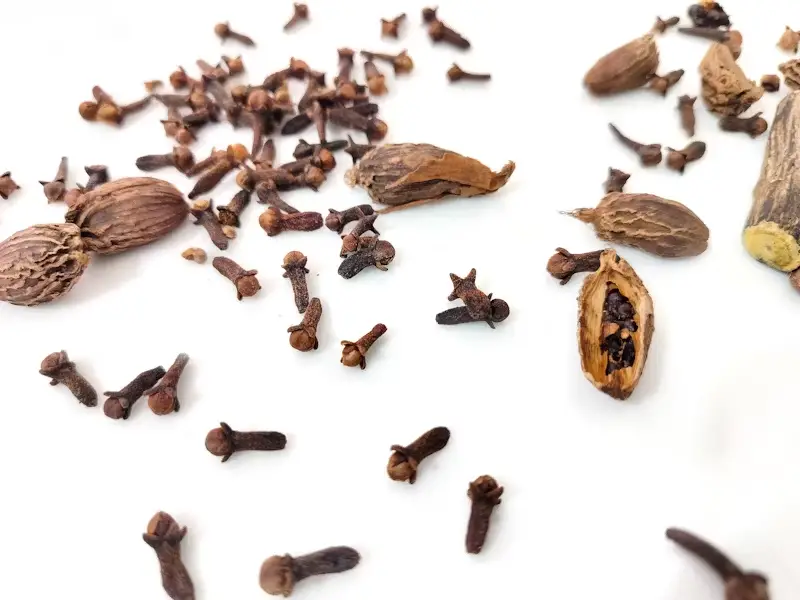
Cloves are the dried flower buds of the clove tree, scientifically known as Syzygium aromaticum. Native to Indonesia, this intensely aromatic spice has been valued in both culinary and medicinal traditions for centuries.
Cloves are particularly rich in eugenol, a powerful plant compound with strong antioxidant and anti-inflammatory properties. Antioxidants help neutralize harmful free radicals in the body, potentially reducing oxidative stress and lowering the risk of chronic diseases. In addition, cloves contain vitamins C and K, manganese, and smaller amounts of calcium and magnesium.
Research suggests that cloves may help stabilize blood sugar levels and support liver health. Their antimicrobial properties promote oral health by reducing harmful bacteria in the mouth, which is why clove oil is often used in dental care. Furthermore, cloves can stimulate digestive enzyme secretion, helping improve digestion and reduce bloating.
Cinnamon, derived from the inner bark of trees belonging to the genus Cinnamomum, is one of the most widely studied spices for its metabolic benefits. It has been shown to help regulate blood sugar levels by improving insulin sensitivity, making it particularly valuable for individuals at risk of type 2 diabetes.
In addition to supporting glucose control, cinnamon may help regulate blood pressure and improve cholesterol levels. By addressing these factors, it potentially reduces the risk of cardiovascular diseases, including clogged arteries and hypertension.
Cinnamon also possesses anti-inflammatory and antimicrobial properties. Its natural compounds may support heart health, strengthen immune function, and protect the body against certain infections. Beyond its medicinal qualities, cinnamon adds warmth and sweetness to masala chai without the need for excessive sugar.
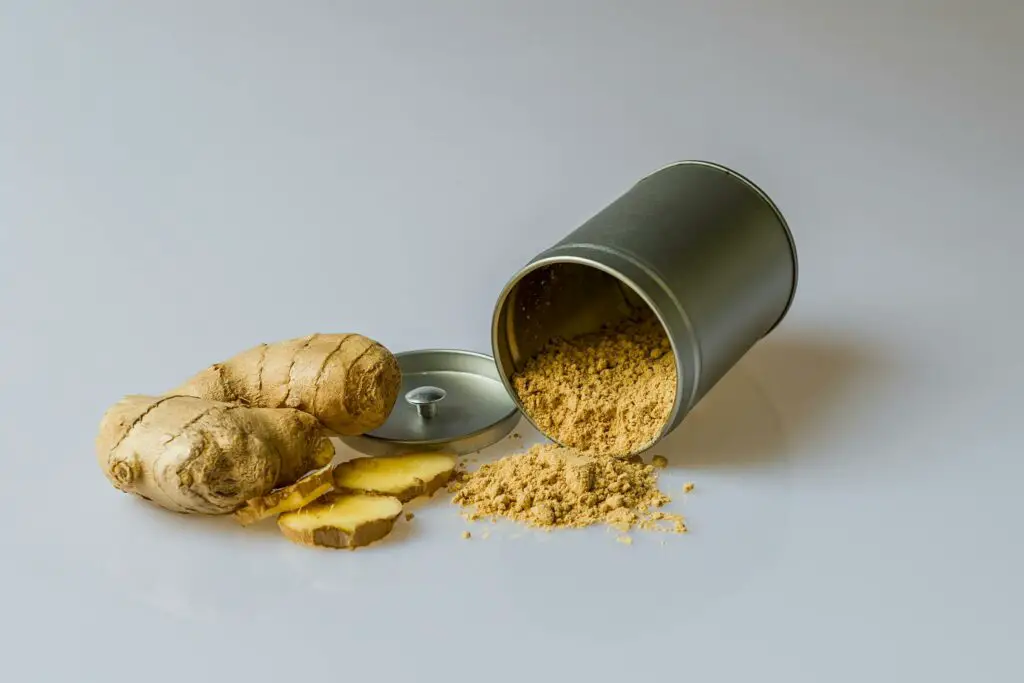
Ginger has been used for thousands of years as both a culinary spice and a medicinal root. Its active compounds, including gingerol, are responsible for many of its anti-inflammatory and antioxidant effects.
One of ginger’s most recognized benefits is its ability to relieve nausea, whether related to motion sickness, pregnancy, or digestive discomfort. It also supports digestive health by stimulating gastric emptying and reducing bloating.
Studies indicate that ginger may help lower blood sugar levels, reduce cholesterol, and decrease blood pressure—factors linked to heart disease and stroke. Additionally, ginger can ease symptoms of the common cold, soothe sore throats, and alleviate migraines and headaches. Some evidence also suggests it may support weight management by enhancing metabolism and promoting satiety.
Whether consumed raw, cooked, or ground, ginger transforms masala chai into a warming, invigorating drink with both flavor and function.
Anise, also known as aniseed or Pimpinella anisum, belongs to the same plant family as carrots, celery, and parsley. Its licorice-like flavor adds depth and sweetness to chai blends.
Anise seeds are a good source of iron, which is essential for red blood cell production, as well as manganese, calcium, and vitamin A. Traditionally, anise has been used to support digestive health and relieve bloating and gas.
Research suggests that anise may help reduce symptoms of depression, protect against stomach ulcers, and prevent the growth of harmful fungi and bacteria due to its antimicrobial properties. It may also help relieve menopausal symptoms and support balanced blood sugar levels. Its anti-inflammatory effects further contribute to overall health maintenance.
Often referred to as the “queen of spices,” cardamom is highly prized for its fragrant, slightly sweet flavor and medicinal qualities. It is a source of vitamins A and C, potassium, magnesium, and dietary fiber.
Cardamom supports digestive health by stimulating bile production and relieving discomfort such as indigestion or cramping. It is also believed to help detoxify the body by promoting healthy kidney function and flushing out toxins.
Emerging research indicates that cardamom may support heart health by lowering blood pressure and improving circulation. Additionally, its antioxidant properties contribute to cellular protection and overall vitality. In chai, cardamom provides a distinctive aroma that ties the entire spice blend together.
Individually, each of these spices offers impressive health benefits. Together, they create a harmonious blend that enhances their collective effects. The combination supports digestion, metabolic balance, immune defense, cardiovascular health, and even emotional well-being.
Masala chai represents more than a beverage—it is a fusion of flavor, culture, and healing tradition. Its enduring popularity reflects not only its comforting taste but also the growing appreciation for natural, plant-based approaches to health. Incorporating chai spices into daily routines—whether in tea, cooking, or other recipes—can be a simple yet powerful step toward holistic wellness.