More people are dying from heart failure, doctors warn: give up these 4 habits now
Health 10/03/2026 20:56
At a hospice in Oxfordshire, England, chef Spencer Richards prepares meals with extraordinary care for people who are nearing the end of their lives. For him, cooking in this setting is far more than simply preparing food—it is a deeply meaningful way to bring comfort, dignity, and small moments of joy to patients during their final days.
Working at Sobell House Hospice, Richards believes that food can offer more than nourishment. It can create memories, spark emotions, and give patients something to look forward to during an incredibly difficult time.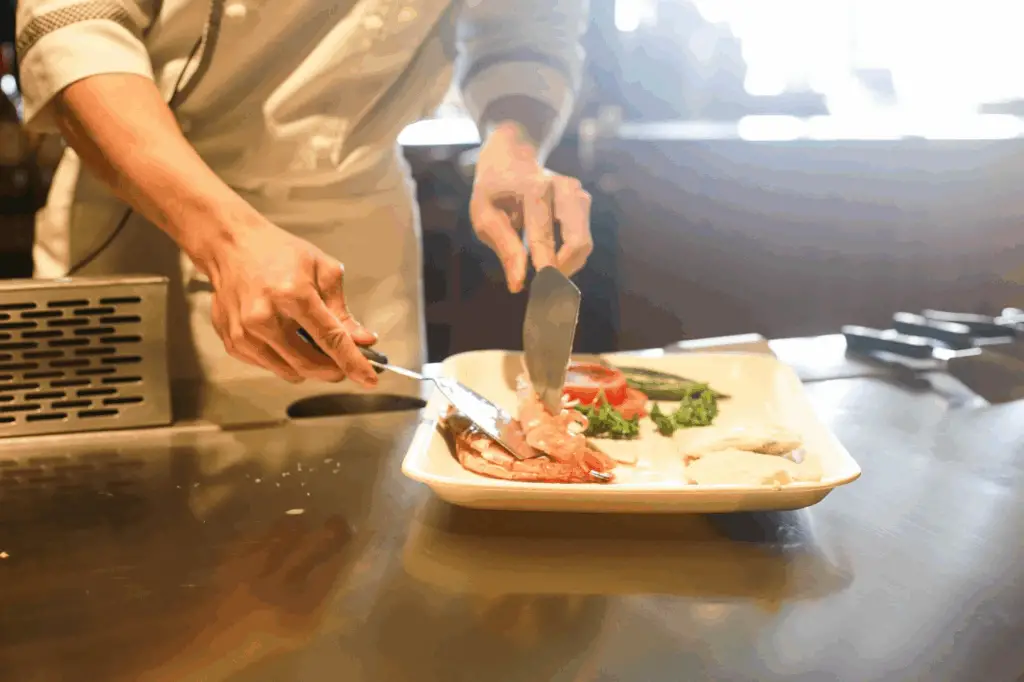
Speaking with The Mirror, the chef explained that serving patients in their final stage of life is one of the greatest honors he could imagine.
“My own philosophy is that there can be no greater privilege as a chef than serving someone their final meal,” Richards said.
For him, every dish represents an opportunity to make someone feel cared for and valued, even during the most fragile moments of life.

Richards explained that traditional hospital menus don’t always connect with patients, especially younger ones. That’s why he often takes the time to talk to them personally about their favorite foods.
He recalled one particularly touching moment involving a 21-year-old patient who struggled to find anything appealing on the standard menu.
“He was young and didn’t like the usual options,” Richards explained. “So we talked about what he enjoyed, and he said he loved street food. So we made that happen.”
Instead of offering standard hospice dishes, Richards recreated the flavors and style of street food the patient loved. It was a small change, but it made the young man feel seen and understood.
Moments like these remind Richards why his work matters so much.
One of the chef’s most memorable experiences involved a 93-year-old patient whose life had been spent in a very traditional household where birthdays were rarely celebrated.
Richards and the hospice staff decided to surprise her with a birthday cake.
“When we surprised her with one, she was in tears,” he recalled. “She was absolutely over the moon.”
For someone who had lived nearly a century without a birthday celebration, the simple act of receiving a cake meant more than anyone expected.
At Sobell House Hospice, birthday cakes are actually one of the most requested items. Many patients ask for them as a way to celebrate life—sometimes for the first time—in their final days.
“They’re small things,” Richards said. “But especially for people who’ve been isolated or are feeling lonely, they mean a lot.”
Preparing meals for hospice patients requires more than culinary creativity. It also requires sensitivity to the physical challenges many patients face.
Richards explained that people receiving palliative care often experience major changes in their ability to eat.
Many patients lose the ability to swallow easily, making traditional meals difficult or impossible to enjoy. Others experience changes in taste due to medications, chemotherapy, or illness.
Because of this, the kitchen team frequently adapts recipes—softening textures, blending foods, or adjusting flavors so that patients can still enjoy their meals comfortably.
Another interesting observation Richards has made is that many patients—especially those undergoing cancer treatment—develop a strong craving for sweets.
At the same time, patients often become more sensitive to salty foods, which means the kitchen must carefully balance flavors to make dishes enjoyable without overwhelming delicate taste buds.
For Richards, the emotional power of food is one of the most important aspects of his work.
“Food is a powerfully emotive medium,” he said. “It can summon childhood memories and create new lasting ones.”
A familiar meal can remind someone of family dinners, holidays, or comforting moments from earlier in life. Even something as simple as a favorite dessert can bring warmth and familiarity during a difficult time.
In hospice care, these small comforts can make a profound difference.
While many chefs pursue careers in restaurants or luxury hotels, Spencer Richards has chosen a different path—one focused on compassion rather than prestige.
For him, preparing food for hospice patients is not just about cooking. It’s about human connection, dignity, and kindness.
Every meal he prepares is an opportunity to brighten someone’s day, even if only for a moment.
In a place where life’s final chapter unfolds, those moments of joy—shared over a carefully prepared plate of food—can mean everything.