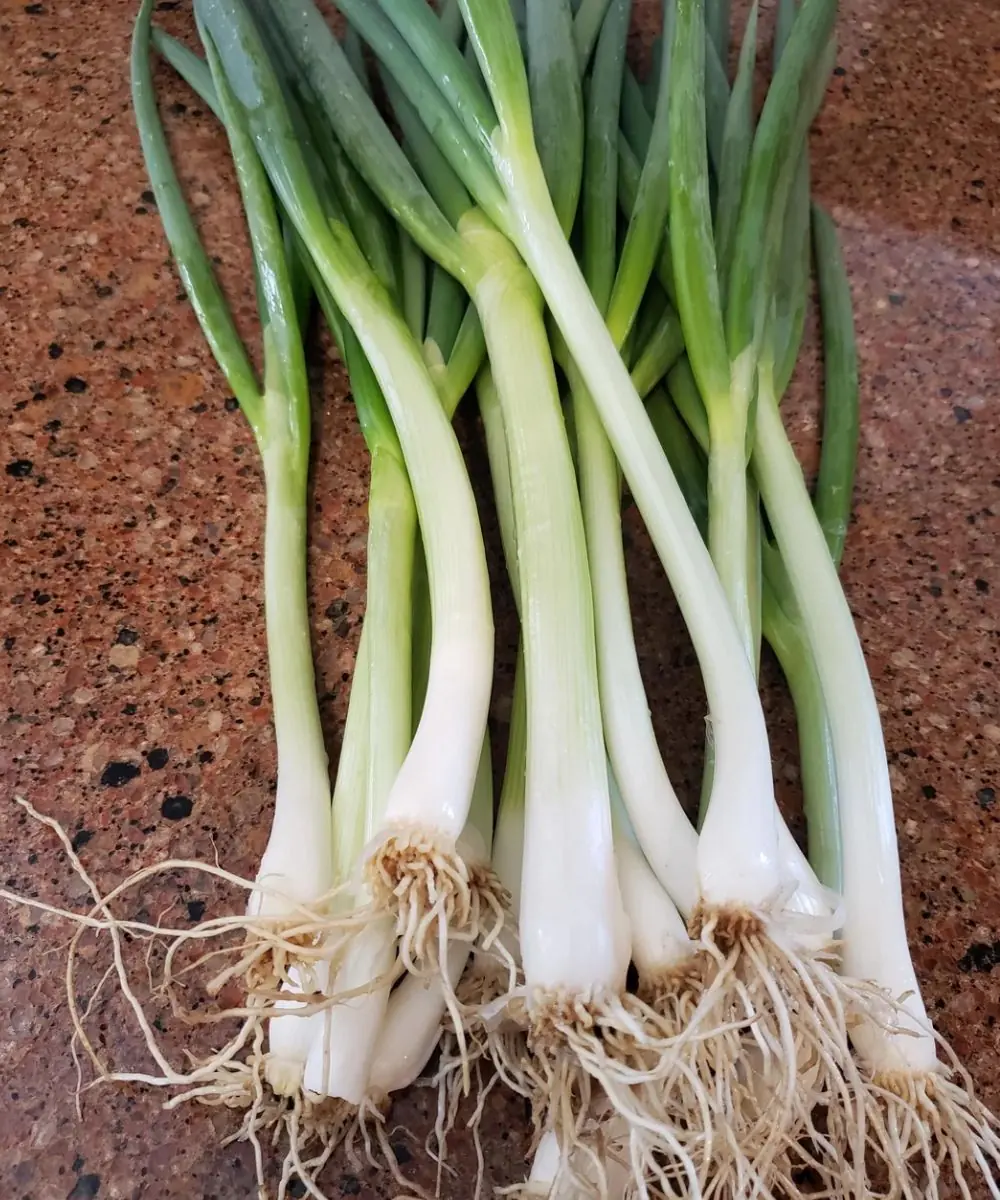
When making pickled garlic, you need to add this extra step — the garlic stays white and crunchy,
Tips 10/03/2026 14:01

Long before pharmacies lined every street and medicine cabinets were filled with over-the-counter solutions, people relied on what they already had at home. Kitchens, gardens, and family knowledge served as the first line of care. Grandparents passed down remedies that used simple ingredients—things like fruits, herbs, or everyday pantry items.
Some of these cures may sound strange today. Others might even seem a little unpleasant. Yet many of them were used for generations because people believed they provided relief when other options were limited.
While modern medicine now offers more advanced treatments, many traditional remedies continue to spark curiosity. Some even have scientific explanations behind them.
Here are ten unusual home remedies that may sound odd today—but have earned their place in family folklore.
Before breath mints, sprays, and mouthwash were widely available, people sometimes turned to plain yogurt to freshen their breath.
Yogurt contains live probiotic cultures, which may help reduce odor-causing bacteria in the mouth. Some studies suggest that certain probiotic strains can limit the production of sulfur compounds—the chemicals responsible for bad breath.
Eating a small portion of plain yogurt after meals was once a simple way to help keep breath fresher naturally.
Traveling by boat or along winding mountain roads often left people feeling nauseated. An old folk remedy suggested eating a few olives when motion sickness started.
Olives contain tannins, natural compounds that may help reduce excess saliva production. Since nausea often begins with increased salivation, reducing it might help calm the stomach.
Although it isn’t a guaranteed cure, the trick was once popular among sailors and travelers.
This unusual trick involves placing a pencil gently between your teeth without biting down too hard.
It might sound strange, but the idea behind it is simple. Many tension headaches are caused by jaw clenching and facial muscle strain. Holding a pencil lightly between the teeth can relax these muscles and prevent clenching.
By forcing the jaw into a relaxed position, some people may experience relief from mild tension headaches.
Painful corns and calluses were once treated with a mixture of ground licorice root and petroleum jelly.
Licorice contains compounds believed to help soften hardened skin and reduce irritation. When mixed with petroleum jelly, it created a thick paste that could be applied to the affected area.
This remedy was thought to gradually soften rough skin, making it easier to remove over time.
One of the most famous folk remedies for joint pain involves golden raisins soaked in gin overnight.
The raisins absorb the liquid, leaving behind a mixture that people would eat daily—usually about nine raisins per day.
Raisins contain antioxidants, while gin is traditionally flavored with juniper berries, which have long been associated with anti-inflammatory properties.
Although scientific evidence is limited, many people claimed this remedy helped ease joint stiffness and discomfort.
In some traditional households, a few drops of fresh lemon juice applied carefully around the outer ear were believed to help with mild ear discomfort.
Lemon juice is naturally acidic and was often viewed as a natural disinfectant. Some believed it could help balance pH levels and discourage bacteria.
However, modern medical advice stresses caution—liquids should never be placed inside the ear canal without professional guidance.
After a heavy meal, people sometimes turned to dried or fresh apricots to settle their stomach.
Apricots are rich in fiber and potassium, both of which support healthy digestion. Fiber helps keep the digestive system moving smoothly, while potassium supports proper muscle function—including the muscles of the digestive tract.
Because of their gentle effect, apricots were often considered a natural way to ease mild digestive discomfort.
Long before chewing gum became popular, people often chewed celery sticks to freshen their breath.
The crunchy texture of celery helps clean food particles from teeth while stimulating saliva production. Increased saliva naturally helps wash away odor-causing bacteria in the mouth.
This simple remedy worked as both a snack and a natural dental cleaner.
This might be one of the strangest remedies on the list—but it has actually been studied.
The method involves covering a wart with duct tape for several days, removing it briefly, and then repeating the process.
Some experts believe the tape may irritate the skin and trigger the body’s immune response, which may help fight the virus that causes warts.
While results vary, dermatologists still occasionally acknowledge this method as a possible home treatment.
When insect bites caused itching and irritation, people sometimes rubbed a fresh slice of raw potato on the affected area.
Potatoes contain moisture and natural compounds that may help cool the skin and reduce inflammation. The cool temperature of the slice also provides temporary soothing relief.
Although simple, this remedy offered quick comfort using nothing more than a common kitchen ingredient.
These remedies were about more than just healing—they reflected a way of life centered on resourcefulness and self-reliance.
In times when medical care wasn’t always nearby or affordable, families depended on creativity and shared knowledge. Kitchen tables and backyard gardens often doubled as medicine cabinets.
Some remedies have genuine scientific explanations. Others may work partly through the placebo effect. But all of them highlight how people used observation, experience, and experimentation to care for themselves and their families.
While modern medicine has dramatically improved healthcare and treatment options, traditional home remedies still hold cultural and historical value.
They remind us of a time when people relied on simple ingredients and practical thinking to solve everyday problems.
And sometimes, the solutions were hiding right there in the pantry.
Even if some of these cures seem unusual today, they reflect generations of curiosity, resilience, and the timeless human desire to find relief with whatever tools are available.