
Tips 01/12/2025 20:11
How to recognize clean pork with the naked eye

How to Identify Clean vs. Contaminated Pork With the Naked Eye
According to Traditional Medicine Doctor Bùi Đắc Sáng of the Hanoi Traditional Medicine Association, consumers should be extremely cautious when purchasing pork, as unsafe meat can pose serious health risks. Clean pork refers to meat that is not raised with growth stimulants, does not contain chemical residues, and is free from parasites and harmful microorganisms.
If you don’t have access to reputable stores or certified suppliers and must buy pork from temporary wet markets, you should keep the following practical tips in mind.
How to Identify Pork Raised With Chemical Lean Enhancers
The differences between clean pork and chemically enhanced “super-lean” pork can usually be observed through smell, color, texture, and cooking behavior.
1. Smell
-
Clean pork: Has a mild, natural, fresh meat aroma.
-
Chemical-enhanced pork: Often carries a metallic or fishy smell, even when fresh.
2. Fat Layer
-
Clean pork: The fat layer is usually 1.5–2 cm thick, with a white to ivory color, and tastes firm and slightly crunchy.
-
Super-lean pork: The fat layer is typically less than 1 cm, loose, and the lean meat clings unnaturally close to the skin due to chemical-induced growth.
3. Meat Color
-
Clean pork: Light pink, glossy surface, dry to the touch, and firm fat.
-
Chemical-enhanced pork: Dark red or overly bright red, slimy surface. The skin may show small red spots indicating chemical residues.
4. Texture of the Meat Block
-
Clean pork: Feels dense and firm, with high elasticity. When pressed, the meat returns to its original shape quickly.
-
Chemical-enhanced pork: Feels unusually dry, coarse, or mushy, with poor elasticity. The inside may hold excess water, and yellowish fluid can leak out when slicing.
5. Behavior When Cooked
-
Clean pork: When boiled, the broth is clear and aromatic. A thick layer of fat droplets floats to the surface.
-
Chemical-enhanced pork: The broth becomes cloudy and unappealing, with very little fat rising to the surface, sometimes forming tiny particles instead of smooth oil patches.
How to Detect Pork Treated With Preservatives
Some sellers use preservatives such as borax, salt, or other chemicals to make spoiled pork look fresh.
Signs of chemically preserved meat include:
-
Unnaturally bright red color.
-
The meat loses its natural stickiness; fibers become tough and rigid.
-
When cut deeper inside, the meat may appear mushy, watery, or slightly gray.
-
A sour or unpleasant odor may be present.
-
When washed, the meat turns pale and releases a strong fishy smell.
-
The fat becomes yellowish, and during cooking, the broth is murky with an off-putting odor.
How to Identify Pork Infected With Parasites
One of the most common concerns is pork contaminated with tapeworm larvae (cysticercosis).
What to look for:
-
Check fatty and muscular areas such as the shoulder, thigh, or shank.
-
If you see small white nodules resembling grains of rice, these are likely larval cysts.
-
When slicing along the meat fibers, clusters of tiny white sacs may appear—this is a clear sign of parasitic contamination and should be discarded immediately.
Safe Pork Consumption Practices
To reduce health risks:
-
Purchase pork from supermarkets or reputable food stores with traceable supply chains.
-
If the origin is unknown, it is advisable to briefly boil the meat in hot water before cooking to eliminate some surface contaminants.
-
Avoid pork with suspicious odors, abnormal textures, or any visible signs of parasites.
Consuming unsafe pork may lead to food poisoning, liver and kidney damage, parasitic infections, and long-term health complications.
Two “Golden” Parts of the Pig That Are Rich in Nutrients
Many people overlook them, but these two parts are highly nutritious and offer many health benefits: the pig’s tail and the crescent bone.
1. Pig Tail – A Collagen-Rich, Rejuvenating Superfood
According to traditional medicine, pig tail has a sweet, slightly salty flavor and a cooling nature, offering multiple health benefits.
Key Health Benefits
-
Boosts vitality: Supports treatment of kidney deficiency, fatigue, impotence, and low energy.
-
Strengthens bones and joints: Often used to relieve joint pain, arthritis, and cartilage degeneration.
-
Improves skin health: Its collagen and elastin help hydrate skin, improve elasticity, reduce wrinkles, and slow aging.
Nutritional Profile (per 100g)
-
17.7 g protein
-
33.5 g fat
-
B-group vitamins (B1, B2, B3)
-
Minerals such as calcium, phosphorus, sodium, and potassium
-
High zinc content: 1.64 mg (≈15% of daily requirement)
Why Zinc Matters
Zinc is essential for hormone production, immune function, and reproductive health. It helps maintain testosterone levels and plays a crucial role in sperm quality and motility. Zinc deficiency may contribute to male infertility and prostate enlargement.
In addition, the collagen in pig tail helps maintain cell structure, supports skin regeneration, and protects against environmental damage.
2. Crescent Bone – A Rare, Highly Nutritious Cut
Many consumers are unaware of this valuable part. The crescent bone is located at the junction of the pig’s front leg, shaped like a small crescent moon.
Why It’s Special
-
It contains soft cartilage, making it perfect for soups or stews.
-
Rich in collagen and protein, with high levels of vitamins and minerals.
-
Promotes strong bone development and helps prevent osteoporosis.
Health Benefits
-
High in calcium: Excellent for growing children, the elderly, and pregnant women.
-
Nutrient-dense: Easily absorbed proteins and extractable compounds help support body functions and immune health.
-
Strengthens bones and joints: Ideal for people recovering from injuries or suffering from bone weakness.
Some butchers even keep this part for personal use due to its high nutritional value, which is why it is not commonly seen at market stalls.
In Summary
Learning to distinguish clean pork from contaminated meat is essential for protecting your family’s health. Paying attention to color, smell, texture, and the cooking process can help you avoid chemical-enhanced or parasite-infected pork. Meanwhile, exploring lesser-known but nutrient-rich cuts like pig tail and crescent bone can enhance your diet and provide valuable health benefits.
News in the same category

Drop a few drops of essential oil on garlic, immediately solve a big problem many people encounter

Rainy season is coming: Show women how to mix laundry detergent with this to help repel mosquitoes and cockroaches
8 ways to utilize eggshells, both effective and saving money

3 mothers use "cooling fan" to save electricity in a very simple way: Knowing how much it costs

The ant only needs this one thing, the whole colony will disappear and never return.

How to distinguish real honey from fake honey is very simple: Just put it in the refrigerator and you will know.

Whiten your smile naturally - cost-free and surprisingly effective methods you won’t want to miss! ⬇️⬇️

Clever Cleaning Tricks from Nana: Timeless Tips for a Spotless, Eco-Friendly Home

The 2-Minute Potato Trick My Nana Swore By for Puffy Eyes

Citrus Peel Vinegar: A Natural, Multi-Purpose Solution to Save Money and Keep Your Home Fresh

You are doing it all wrong. Here's the right way to drink water

Steamed Pears with Rock Sugar: A Delicious and Nutritious Remedy

5 Effective Ways to Clean Grout and Tiles in Your Bathroom: Gentle Scrubbing for a Sparkling Finish

My nana taught me this hack to tighten sagging skin in 5 mins with 0 work. Here’s how it works

My nana taught me this hack to fade dark spots in 4 mins with 0 work. Here’s how it works
10 Surprising Uses for Leftover Beer Mixed With Salt — Don’t Throw It Away!

A 52-Year-Old Man Dies From Diabetes; Doctors Warn: Remove These 4 Types of Breakfast From Your Table

Using beer to repel worms and aphids on plants sounds crazy but the effect surprises everyone.
News Post
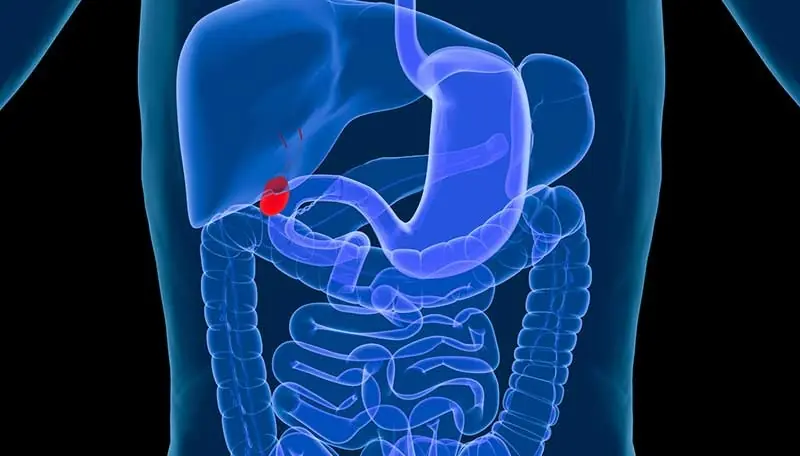
What happens to the body after gallbladder removal? 3 diseases that may follow — avoid surgery if possible
Health 01/12/2025 21:30

Black Engineers Create Contactless Smart Lockers For Food Pick-Ups To Revolutionize The Industry
News 01/12/2025 21:28

11-Year-Old Designed And Made Dress For Her and Her Sister To Wear To Their Mother’s College Graduation
News 01/12/2025 21:24

If Your Kidneys Are In Danger, The Body Will Show These 10 Signs
Health 01/12/2025 21:24

Prostate health expert reveals the 5 daily habits men over 50 shouldn’t ignore
Health 01/12/2025 21:20

Study Links Cockroach Infestations to Poor Indoor Air Quality and Health Risks
Facts 01/12/2025 21:19

7 Powerful Anti-Cancer Foods You Should Start Including in Your Diet
Health 01/12/2025 21:18

Heartwarming Story of a Hamster's Tiny Cast Highlights the Power of Compassionate Animal Care
Facts 01/12/2025 21:16

THIS IS WHAT HAPPENS TO YOUR LUNGS, MOOD, AND BLOOD CIRCULATION WHEN YOU USE A HIMALAYAN SALT LAMP
Health 01/12/2025 21:14

VLC Media Player: A Legacy of Free Software and User-Centric Innovation
Facts 01/12/2025 21:13

✋ Palmistry and the Interpretation of the Lines in the Palms of the Hands
Facts 01/12/2025 21:07
Why You Should Be Putting Salt in Your Toilet
Facts 01/12/2025 21:07
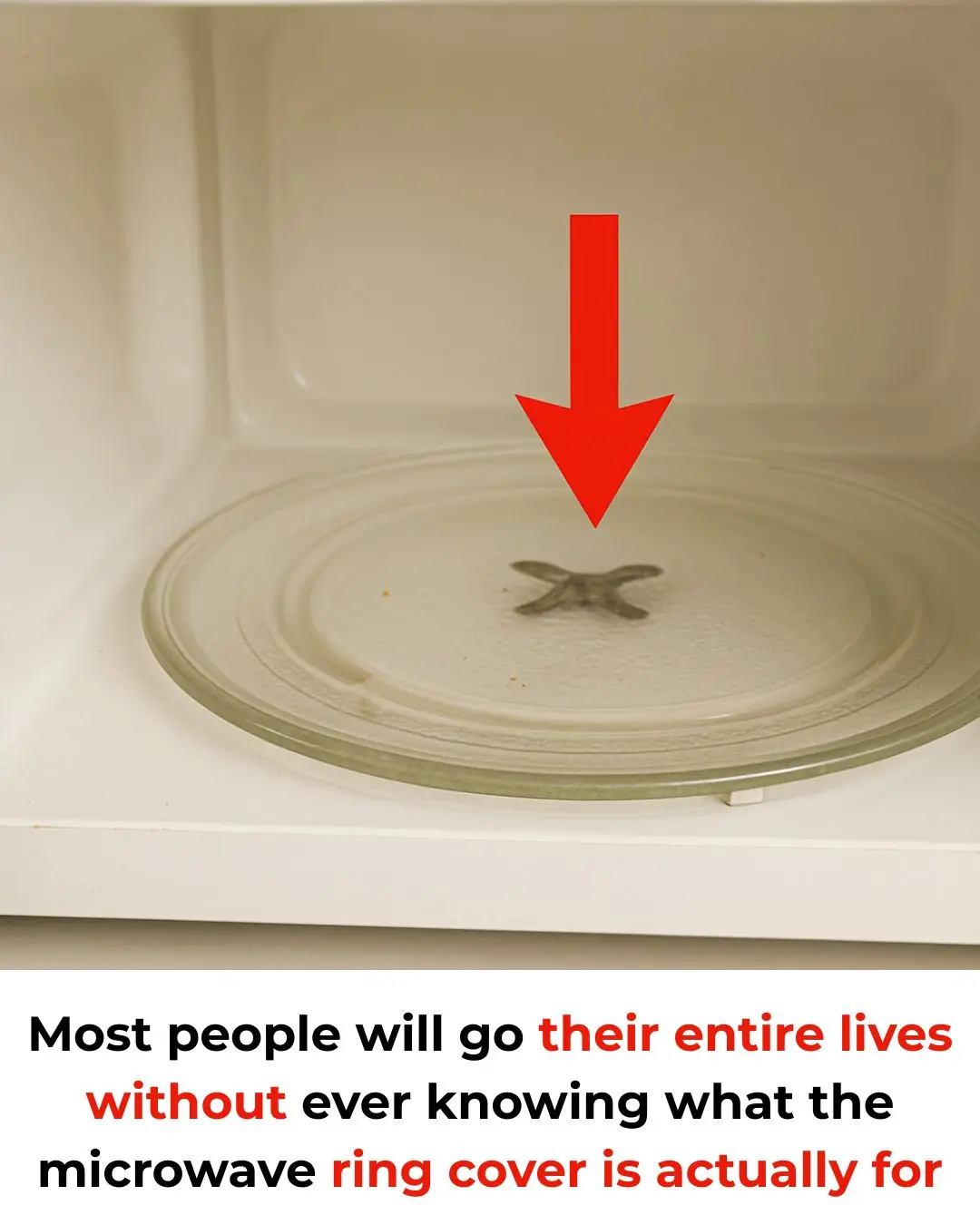
The Unsung Hero in Your Microwave
Facts 01/12/2025 21:05

🍯 Clear Mucus Naturally: The 2-Ingredient Soothing Remedy 🍋
Health 01/12/2025 21:03
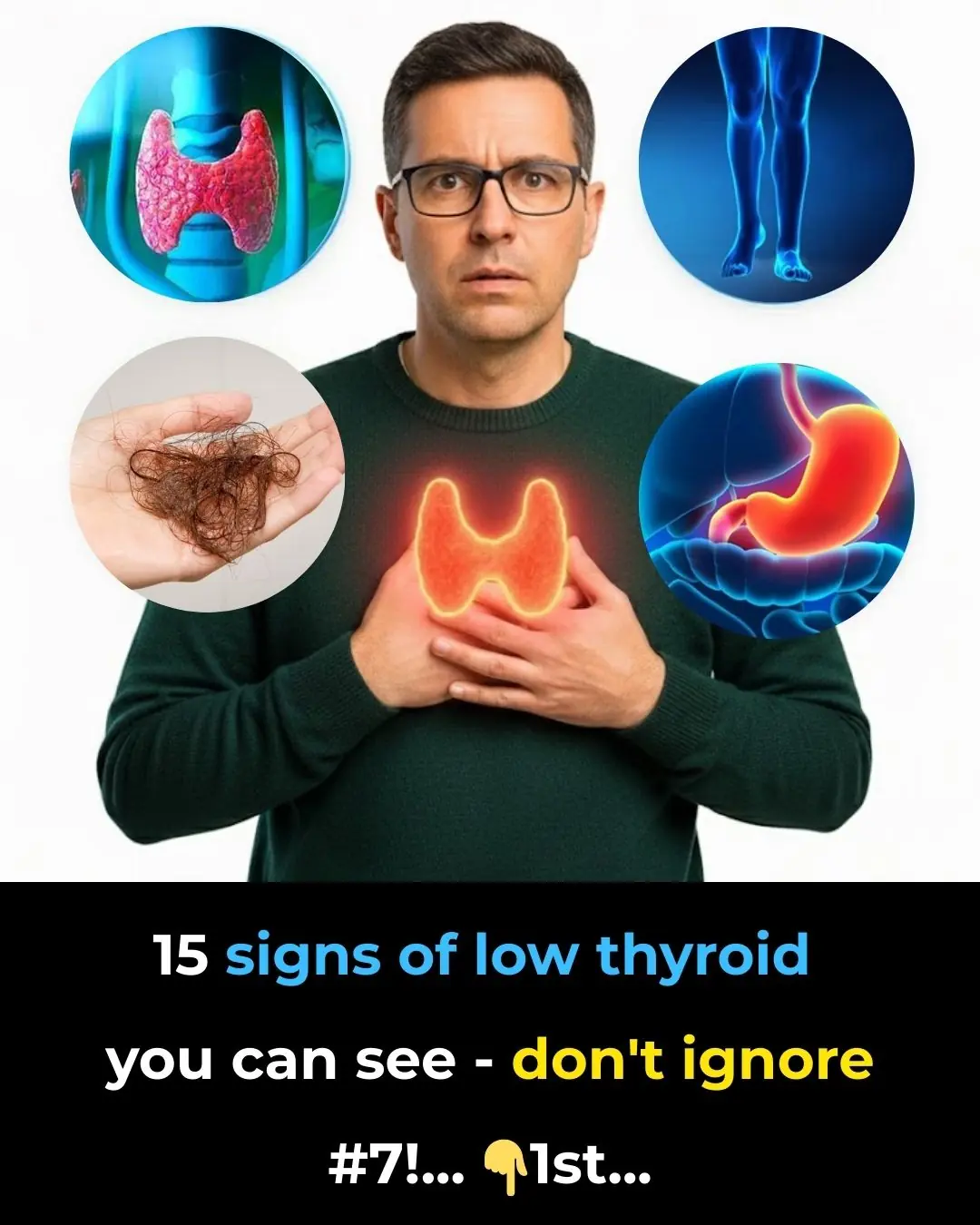
15 visible signs of low thyroid you can see – don’t ignore #7!
Health 01/12/2025 21:00

8 powerful anti-cancer foods you should start including in your diet
Health 01/12/2025 20:51

Prostate health expert reveals the 5 daily habits men over 50 shouldn’t ignore
Health 01/12/2025 20:51

The 4 hidden causes of persistent phlegm in your throat (& how to fix it naturally)
Health 01/12/2025 20:48

15-Minute Power Naps Can Boost Memory and Focus Like a Full Night’s Sleep
News 01/12/2025 20:31

Sweet Fruit May Unlock the Smoothest Birth You Never Expected
News 01/12/2025 20:26