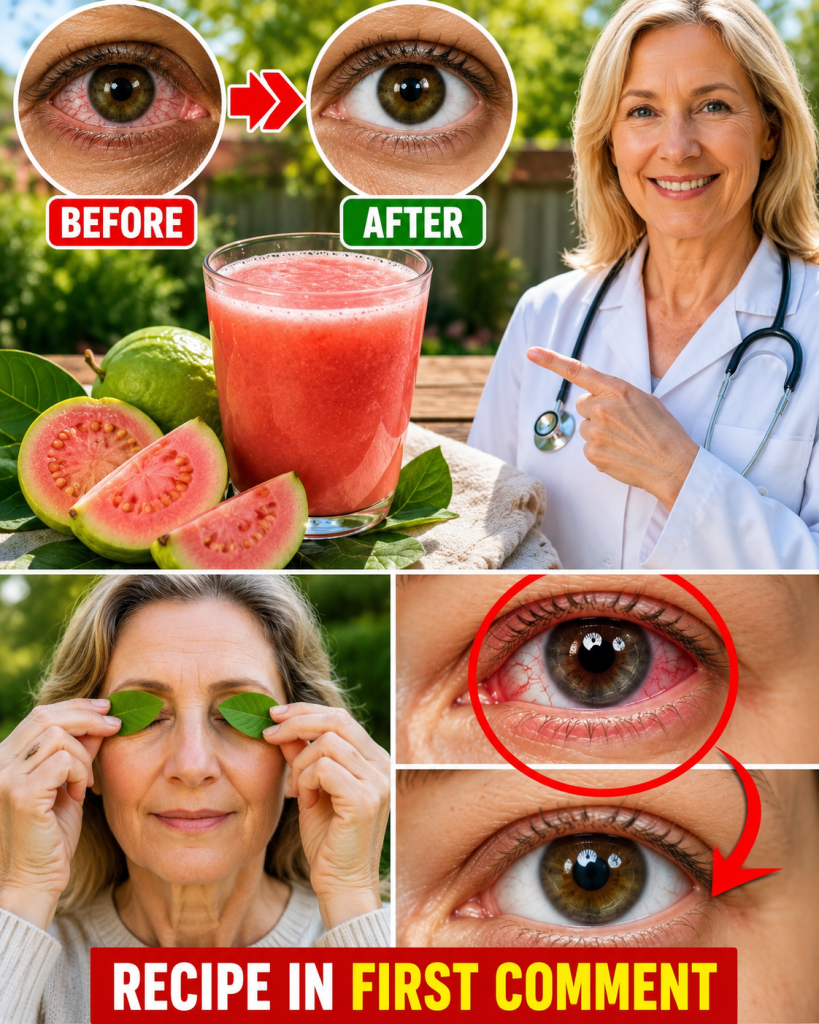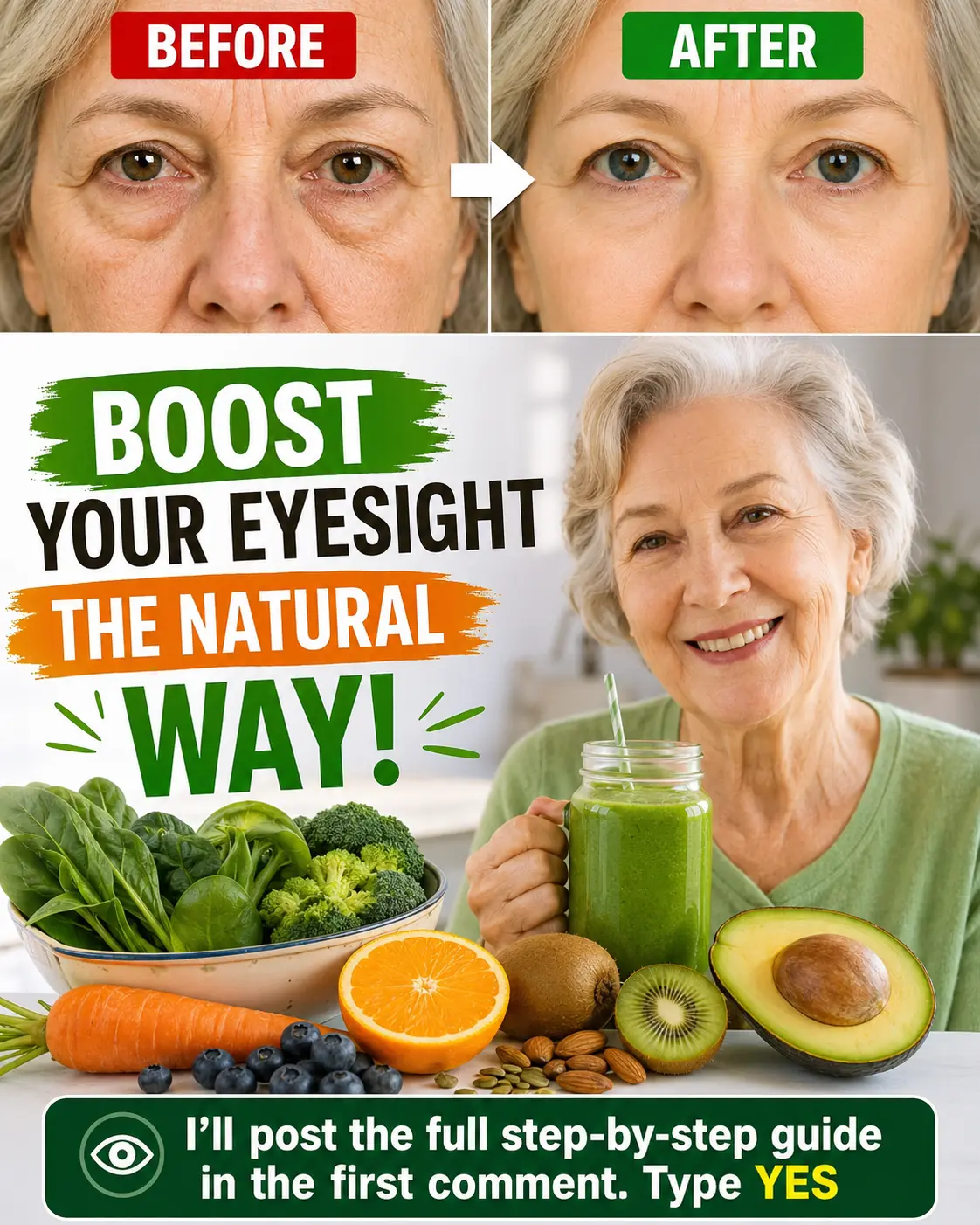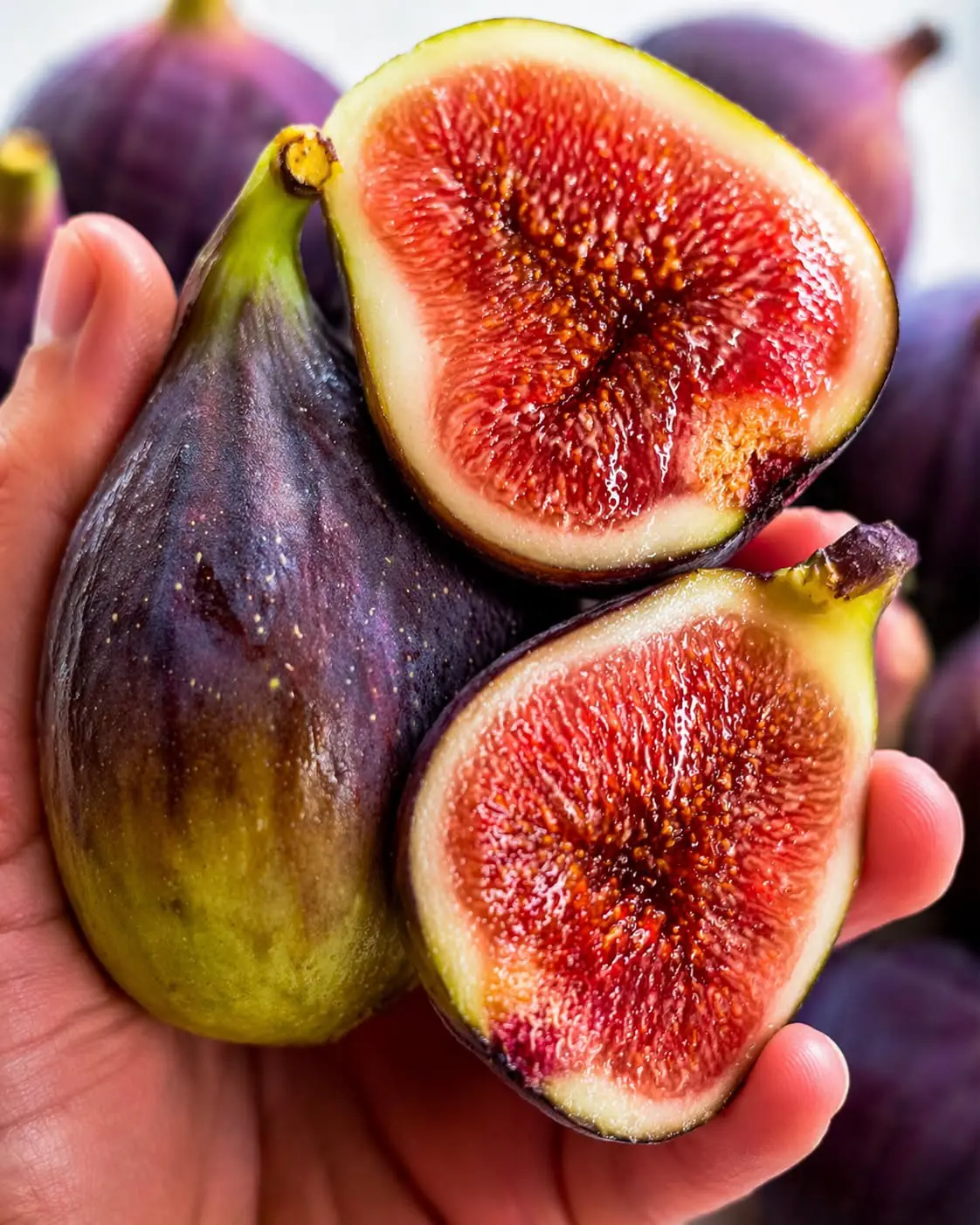
How to Use Guava for Eye Care: Natural Ways to Support Everyday Visual Comfort 🌿👁️

Could Guava Be a Helpful Addition to Your Eye Wellness Routine?
When people think about foods that support eye health, carrots often come to mind first. However, another tropical fruit deserves attention as well: guava.
Known for its refreshing taste and impressive nutritional profile, guava is packed with vitamin C, antioxidants, and plant compounds that may help support overall wellness, including healthy vision. For generations, guava fruit and leaves have been used in traditional wellness practices to promote comfort and relaxation around the eyes.
While guava is not a treatment for eye diseases, it can be a valuable part of a balanced lifestyle focused on eye health.
Why Guava Is Considered Beneficial for Eye Health
Rich in Vitamin C and Antioxidants
Guava is one of the richest natural sources of vitamin C. This essential nutrient helps protect cells from oxidative stress caused by free radicals.
Oxidative stress is believed to contribute to age-related changes throughout the body, including the eyes. By providing antioxidants, guava may help support the body’s natural defense systems.
Guava also contains:
- Flavonoids
- Lycopene
- Polyphenols
- Carotenoids
These plant compounds are known for their antioxidant properties and their role in supporting overall wellness.
Supports Everyday Eye Comfort
Traditional wellness practices often use guava leaves for soothing purposes. Some people find that warm compresses prepared from clean guava leaf infusions help provide a relaxing sensation around tired eyes after long hours of screen use.
Potential benefits may include:
- Supporting eye comfort
- Helping reduce the feeling of tired eyes
- Promoting relaxation around the eyelids
However, individual experiences vary, and these methods should never replace professional eye care.
Naturally Rich in Protective Plant Compounds
Guava leaves contain naturally occurring compounds that have attracted scientific interest due to their antioxidant and antimicrobial properties.
Although research continues, these properties may contribute to the plant’s traditional use in wellness routines focused on skin and eye-area care.
Simple Ways to Use Guava in Your Wellness Routine
1. Warm Guava Leaf Compress 
A traditional method often used for relaxation around the eyes.
Ingredients
- 5–6 fresh guava leaves
- 500 ml water
Preparation
- Wash the leaves thoroughly.
- Boil them in water for about 10 minutes.
- Strain the liquid carefully.
- Allow it to cool until comfortably warm.
How to Use
- Soak a clean cloth in the infusion.
- Gently place it over closed eyelids for 5–10 minutes.
- Repeat once or twice daily if desired.
Important: Always use freshly prepared, clean liquid. Never apply anything directly into the eyes.
2. Guava-Based Eye Area Serum 
Many skincare products include plant extracts such as guava because of their antioxidant content.
How to Use
- Apply a small amount around the eye area.
- Gently massage the skin.
- Avoid direct contact with the eyes.
This approach may help support:
- A refreshed appearance
- Reduced-looking puffiness
- Skin hydration around the eyes
The Easiest Method: Eat More Guava 
One of the safest and most practical ways to enjoy guava’s benefits is simply by including it in your diet.
Delicious Ideas
Eat fresh guava as a snack
Add it to smoothies
Mix it with fruits and vegetables such as:
- Carrots
- Spinach
- Oranges
- Pineapple
These combinations provide:
- Vitamin C
- Beta-carotene
- Antioxidants
- Dietary fiber
All of which contribute to overall health and wellness.
What Does Science Say?
Research has shown that guava contains significant amounts of:
- Vitamin C
- Antioxidants
- Beneficial plant compounds
These nutrients support general health and help protect cells from oxidative stress.
However, it is important to understand that there is currently no strong scientific evidence showing that guava can cure or directly treat eye diseases.
Instead, guava should be viewed as a nutritious food that supports a healthy lifestyle and balanced diet.
Important Safety Tips 
When using any natural remedy around the eyes:
- Always prioritize cleanliness and hygiene.
- Never place unsterilized liquids directly into the eyes.
- Stop use immediately if irritation occurs.
- Consult an eye care professional for persistent symptoms.
- Do not replace prescribed treatments with home remedies.
The eyes are delicate organs and deserve proper medical attention whenever necessary.
Final Thoughts
Guava is much more than a delicious tropical fruit. Thanks to its vitamin C content, antioxidants, and traditional wellness uses, it can be a valuable addition to an eye-friendly lifestyle.
While it is not a miracle solution or medical treatment, enjoying guava as part of a balanced diet may help support overall wellness, visual comfort, and daily nutrition.
Small healthy habits often make the biggest difference over time.
Have You Tried Guava?
Whether you enjoy it fresh, blended into smoothies, or as part of traditional wellness practices, guava offers a simple and natural way to add more nutrients to your daily routine.

News in the same category


The Most Powerful Herbs That May Support Healthy Blood Circulation in the Legs Naturally

Grated Ginger, Red Onion, Garlic, Lemon Juice & Honey: A Simple Homemade Wellness Blend Many People Enjoy Daily

Tired of Dull Skin? Discover Simple Secrets for Naturally Radiant, Healthy-Looking Skin at Any Age ✨🌿💆♀️

🌿 Papaya Leaf Secret: Is Your Hair Ready for Healthier Growth?

Discover the Natural Benefits of Air Plant Leaves for Daily Eye Comfort

The Hidden Power of Mullein Roots: Benefits and Uses

Aloe Vera and Cinnamon: A Natural Duo to Support Wellness and Healthy Vision 🌿✨

🍯🌿 Cinnamon & Honey: A Simple Natural Blend to Support Everyday Wellness

🥕✨ How Carrot and Ginger Juice Can Provide Real Nutritional Support for Your Eyes

🌿 Guava Leaves: A Traditional Herbal Remedy Many People Use—But Few Truly Understand 🍃

Banana Peel, Pennyroyal & Turmeric Tea: A Traditional Herbal Blend to Support Everyday Wellness

9 Plants You Must Grow Under Cucumbers for Massive Yields and Healthier Plants

Baked Garlic for Ear Pain: An Old Folk Remedy Still Used Today

The Health Benefits of Wild Violets: Nature’s Hidden Gem

The Main Power of Peach Resin: Nature’s Forgotten Mineral-Rich Soother

Euphorbia Hirta (Asthma-Plant): Powerful Benefits for the Lungs and Respiratory System

Natural Pest Control: Using Hot Red Pepper to Repel Aphids and Snails
News Post

If bitten by a poisonous snake, is it safe to suck on the wound with your mouth?

Husbands With These 2 Bad Habits May Put Their Wives at Higher Risk of Breast Cancer - Stop Them Now Before They Harm The Whole Family

Woman Suffers Acute Kidney Failure After a Meal: What We Can Learn About Food Safety

Proven Health Benefits of Ground Flax Seeds and Flaxseed Meal


3 Types of Fish That Could Carry Hidden Health Risks — No Matter How Delicious They Are, You May Want to Avoid Them

6 Reasons Why You Pee A Lot

Brain Health Specialists Warn About A Daily Habit That Can Affect Your Mental Well-Being

Doctors Warn: Stop Eating These 4 Foods Immediately—They May Carry Hidden Parasites That Put Your Health at Risk

Fatty Liver Disease Explained: Risk Factors, Symptoms, and Evidence-Based Management

Kidney patients! 4 proteins you should eat and 6 you should never touch... To keep receiving my recipes, just say something... Thank you!

Could Your Nighttime Leg Pain Be a Sign of Poor Circulation? Here's What You Should Know

Drooling at Night? Don't Ignore These 6 Possible Reasons

These small mouth symptoms could point to a bigger health problem

These 9 Unusual Itching Symptoms Could Be Your Body’s Way of Signaling Underlying Illness

Why Is My Scalp Itching

What Clearing the Table Says About You

If You Have Colon Polyps, These 4 Symptoms During Bowel Movements Could Be a Warning — See a Doctor Before It's Too Late

Which Baby Would You Pick? A Fun Personality Quiz That Reveals More Than You Expect

The Hidden Power of Common Lantana (Lantana camara): What You Can Safely Do with It at Home