Many people think drooling in sleep is harmless, but in some cases, it can warn of health risks. This is exactly what happened to a young programmer in China.
Xiao Liang, 25 years old, often worked overtime and stayed up late playing games. Because of fatigue, he felt sleepy every morning and used lunch breaks to rest. During these naps, he realized he often drooled, which made him embarrassed.
Worried, Xiao Liang went to the doctor. After learning that his drool always flowed to one side, the doctor advised him to do a CT scan. The result showed early signs of blockage in his brain blood vessels. Fortunately, it was detected in time, preventing the risk of stroke and brain hemorrhage.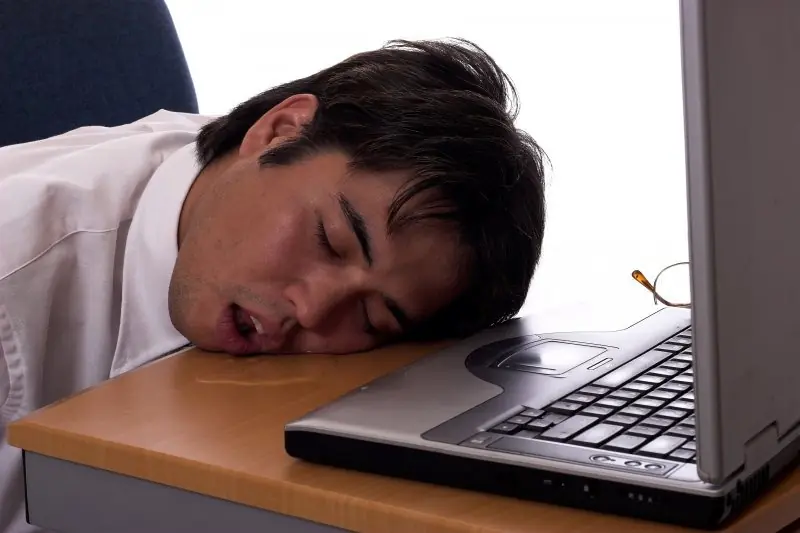
Where Does Human Saliva Come From?
Saliva production is an automatic process controlled by the autonomic nervous system, much like the heartbeat. The mouth contains several salivary glands: three pairs of major ones—the sublingual, parotid, and submandibular glands—as well as numerous minor glands distributed across the oral mucosa.
These glands work continuously, keeping the mouth moist, cleansing the oral cavity, aiding digestion, and even providing antibacterial protection. On average, a healthy adult produces 1–1.5 liters of saliva per day—around 30 ml every hour. Saliva secretion naturally increases when eating or when brain nerves are stimulated.
Factors like mouth breathing, stress, fatigue, or poor sleeping posture can also trigger drooling at night. While children often drool due to weak lip control and immature swallowing reflexes, in adults, sudden or persistent drooling may point to underlying diseases.
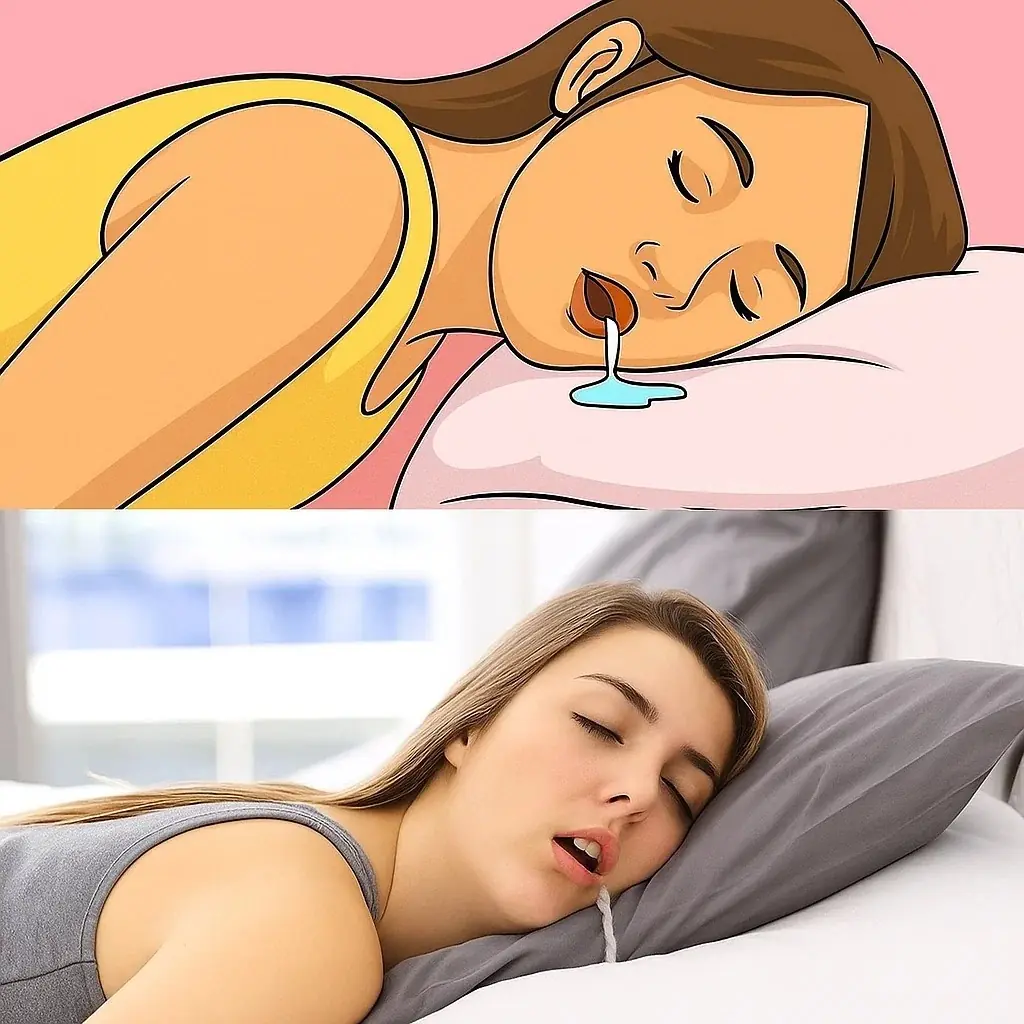
Medical Conditions Linked to Nighttime Drooling
-
Oral Diseases
Conditions such as pharyngitis, gingivitis, or maxillofacial inflammation can overstimulate salivary glands. Crooked or loose teeth and uncomfortable dentures also increase the likelihood of drooling during sleep. Correcting dental issues often improves symptoms. -
Facial Paralysis
When muscles on one side of the face are paralyzed, saliva is harder to retain, causing drooling whether awake or asleep. If drooling is accompanied by a crooked mouth or asymmetrical facial expressions, immediate medical attention is necessary. -
Gastroesophageal Reflux Disease (GERD)
Acid reflux can stimulate excess saliva production. People with GERD may experience drooling alongside heartburn, chest pain, and acid regurgitation. -
Parkinson’s Disease
Patients with Parkinson’s often have difficulty swallowing saliva, leading to accumulation and drooling. Damaged nerves may also trigger increased saliva production. -
Cerebral Thrombosis
Blocked blood vessels in the brain can impair the throat muscles that control swallowing. Symptoms include drooling on one side of the mouth, inability to close the eyes tightly, or a crooked smile—warning signs that require urgent medical attention. -
Arteriosclerosis
Narrowed arteries reduce oxygen supply to the brain, causing facial muscle weakness and poor swallowing reflexes. Middle-aged and elderly individuals with high blood pressure, high cholesterol, or diabetes should be especially cautious.
How to Reduce Drooling While Sleeping
-
Adjust Sleeping Position
Sleeping on your back helps reduce drooling, keeps airways clear, and balances the body. Avoid stomach-sleeping, and try using a U-shaped pillow for support. -
Maintain Oral Hygiene
Brush twice daily with fluoride toothpaste, floss at least once, and rinse after meals. Treat dental problems promptly to prevent loose teeth and gum damage, which can worsen drooling. -
Review Medications
Some medicines may cause excessive salivation. If you suspect this, consult your doctor about alternatives. However, never stop or switch medications without professional guidance.