Why the $2 Bill Is So Misunderstood
Facts 24/04/2026 08:52
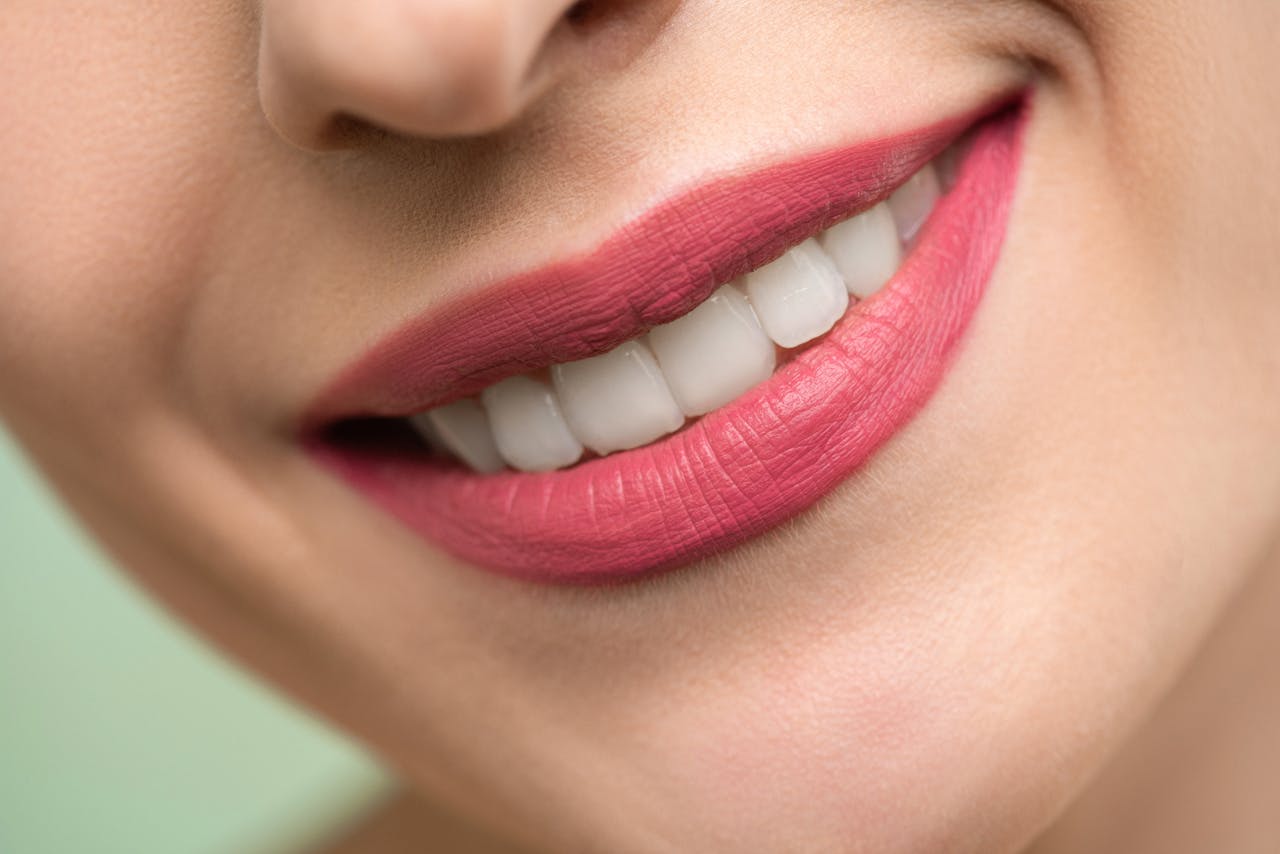
Have you ever pictured a future where losing a tooth isn’t permanent—where instead of relying on dentures or costly implants, your body simply grows a brand-new tooth, much like a child growing in their adult set? For centuries, tooth loss has meant compromise: dentures that slip at the wrong moment, implants that cost thousands of dollars, and bridges that require constant upkeep. None of these options truly restores what was lost. But a group of scientists in Japan may be on the verge of rewriting that story altogether.
At the heart of this breakthrough lies an unlikely culprit: a single protein that has been quietly limiting our ability to grow more teeth. Now that researchers know how to neutralize it, the once-impossible dream of natural tooth regrowth suddenly looks within reach.
The discovery centers on USAG-1 (Uterine Sensitization–Associated Gene-1), a protein that normally puts the brakes on tooth formation. This built-in control is vital during early development because it prevents humans from producing endless rows of teeth. But that same mechanism also blocks the possibility of growing new teeth in adulthood.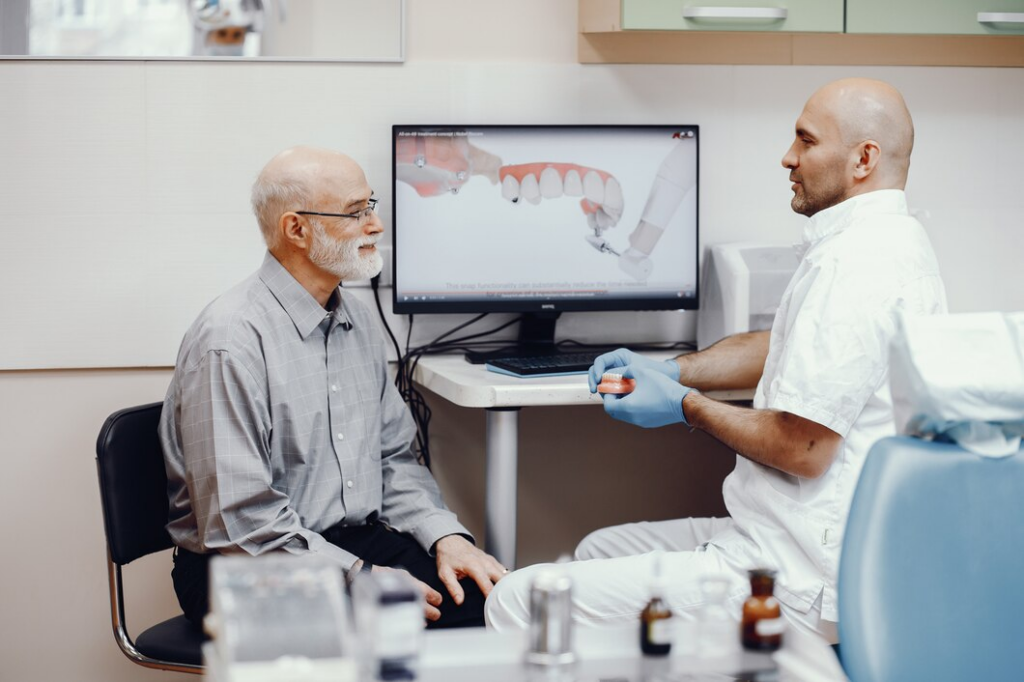
In 2021, researchers at Kyoto University and the Medical Research Institute Kitano Hospital published a groundbreaking study in Scientific Reports. Using a monoclonal antibody—similar to those used in cancer immunotherapy—they managed to silence USAG-1’s effects. Once the protein was blocked, bone morphogenetic proteins (BMPs), which are key drivers of tooth formation, were able to activate dormant tooth structures in mice and ferrets.
The outcome stunned even the researchers: animals that would normally never develop extra teeth spontaneously grew new ones, complete with roots, pulp, dentin, and enamel. “We knew that suppressing USAG-1 benefits tooth growth. What we did not know was whether it would be enough,” said co-author Dr. Katsu Takahashi in a press statement quoted by Popular Mechanics.
This was not some crude mineralized lump—it was real tooth development, indistinguishable from the natural process. Because ferrets share a dental pattern similar to humans (two sets of teeth over a lifetime), the results strongly suggested that the same therapy could one day be applied in people.
Fast-forward to September 2024: after years of laboratory success, Japanese scientists officially began the first human clinical trial of the tooth-regrowth drug at Kitano Hospital in Osaka.
Trial design: The study involves 30 men between 30 and 64 years old, each missing at least one tooth.
Method: The drug is administered intravenously, allowing it to circulate through the bloodstream and target the genetic pathways that control tooth growth.
Duration: The trial will run for 11 months, assessing both safety and efficacy.
If successful, the research will move on to pediatric trials involving children aged 2–7 who were born missing four or more teeth—a condition called congenital tooth agenesis. For these children, who often face years of complex dental work, the ability to regrow their own natural teeth would be nothing short of life-changing.
The researchers’ timeline is ambitious: they hope to make the treatment commercially available by 2030, pending regulatory approval. If achieved, it would revolutionize dentistry, replacing invasive procedures with a simple course of medication that activates a natural process already coded into our DNA.
Perhaps the most intriguing element of this research is the discovery that humans may already possess the biological blueprint for a third set of teeth.
During development, humans grow two visible sets—baby teeth and adult teeth. But Dr. Takahashi’s team has shown that many people also form supernumerary tooth buds, early structures for a third set that usually remain dormant.
Around 1% of people naturally develop extra teeth (a condition called hyperdontia).
Another 1% are born with no teeth at all (anodontia).
Both conditions highlight the same genetic reality: our bodies have a far more flexible dental potential than we once believed. By blocking USAG-1, the Japanese team isn’t inventing something artificial—they’re reactivating a natural process that evolution simply switched off.
Interestingly, this regenerative capacity isn’t unique to humans. Sharks replace teeth continuously, sometimes producing 30,000 over a lifetime. Elephants cycle through multiple sets of molars as they age. Humans may not be built for endless renewal, but science now suggests that with the right trigger, we could at least unlock one more dental reset.
The excitement doesn’t stop at growing new teeth. Scientists are also making progress in regenerating the tissues that keep teeth alive and anchored.
Dental pulp regeneration: In 2018, researchers identified multipotent dental pulp stem cells (MDPSCs) capable of rebuilding damaged pulp tissue. By 2020, human pulp stem cells had been implanted into injured teeth, successfully regenerating nerves and blood vessels.
Bone regeneration: Scientists discovered LepR+ stem cells, which help rebuild the alveolar bone that anchors teeth. Using a stem-cell-loaded hydrogel, they created a stable environment in the mouth that promotes bone healing.
Together, these advances suggest that future dentistry will not only replace missing teeth but also restore the living systems that support them.
If tooth regeneration becomes a mainstream therapy, the first to benefit will likely be:
Children with congenital tooth loss (anodontia or oligodontia).
Adults with traumatic tooth loss or severe age-related dental decline.
For now, implants, bridges, and dentures remain standard treatments. But dentists may soon start advising patients on whether they qualify for upcoming trials or gene-targeted therapies.
Importantly, regrown teeth will still require good oral hygiene. They may be natural, but they are not invincible—they will remain susceptible to cavities, gum disease, and neglect.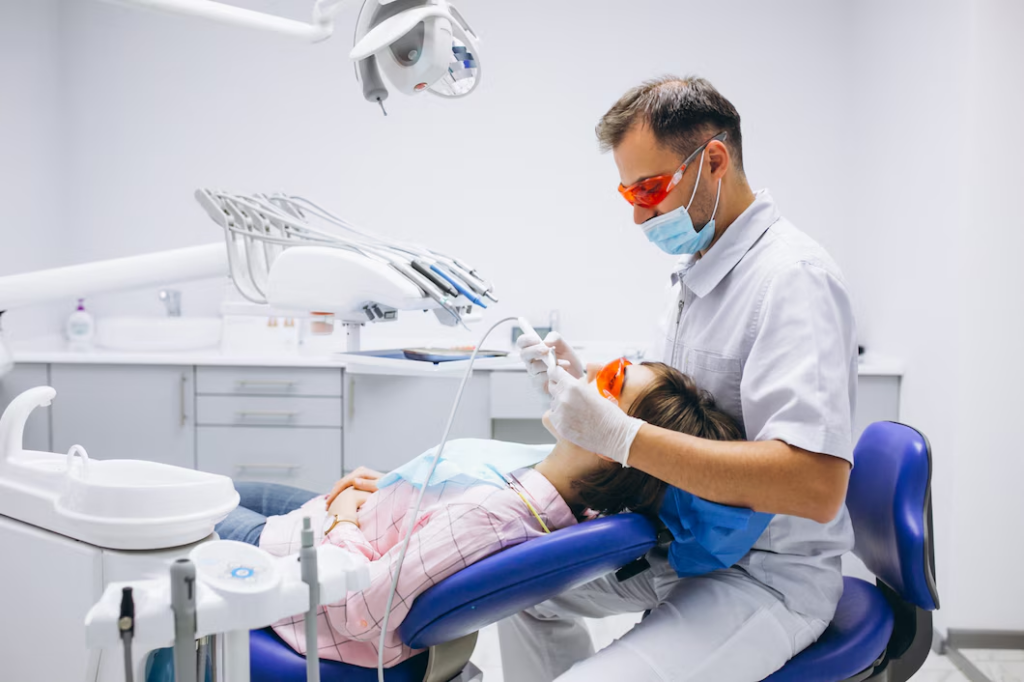
Cost is still an open question. Some experts predict that while initial prices may be high, the long-term costs could be lower than implants or dentures, which often demand replacements and adjustments. Access, however, will likely depend on healthcare systems and insurance coverage across different countries.
For generations, losing teeth was seen as an inevitable part of aging—a marker of decline managed with prosthetics. But regenerative dentistry challenges that assumption, promising not only restored function but also restored identity, confidence, and dignity.
The broader impact could be transformative. Widespread adoption might reduce healthcare costs, change how dental practices operate, and even reshape how society views aging itself. But ethical questions remain: Who gets access first? Will treatment be affordable worldwide, or reserved for the wealthy?
What is certain is that our biology holds untapped regenerative power, and science is finally learning how to unlock it. If trials succeed, the phrase “permanent tooth loss” may soon belong to the past.