BE CAREFUL, if you get these bruises on your body, it means you have Ca…see more
Health 26/06/2026 22:25
Sleep is essential for our health, allowing the body to repair, recharge, and process information from the day. However, the position you sleep in can have a major impact on your physical well-being. While many people fall asleep in whatever position feels most comfortable, one extremely popular sleeping position might actually be doing your body more harm than good.
Sleeping on your stomach is widely considered by health experts to be the worst position for your body. Although it might feel cozy at first, sleeping face-down for seven to eight hours a night can lead to chronic pain, spinal misalignment, and other long-term health issues.
Here is why many experts warn against this common habit and how it affects your body.
The biggest risk of sleeping on your stomach is the strain it places on your spine. When you lie on your front, it is virtually impossible to keep your spine in a neutral position.
The Flattening of the Curve: Stomach sleeping causes your torso to sink deeper into the mattress than your head and limbs because most of your body weight is concentrated in the center. This flattens the natural curve of your spine, putting undue stress on your muscles and joints.
Neck Twisting: You cannot breathe through your pillow, so sleeping on your stomach forces you to turn your head to one side for hours at a time. This twists your neck out of alignment, straining the cervical spine and leading to chronic neck pain, stiffness, and headaches.
Because stomach sleeping misaligns your spine and neck, it can put pressure on the nerves throughout your body.
Many people who sleep on their stomach wake up with a "pins and needles" sensation, numbness, or tingling in their arms and hands. This happens because the rotated neck or compressed spine pinches nerves, restricting proper nerve signaling and blood flow while you sleep. Over time, this chronic irritation can contribute to conditions like sciatica or chronic nerve discomfort.
Do you often wake up with a dull ache or stiffness in your lower back? Your sleeping position might be the culprit.
Lying on your stomach shifts your center of gravity toward your abdomen, pulling your lower back downward. This exaggerated arch stretches the ligaments and muscles in the lumbar region, leading to persistent lower back pain that can ruin your morning and affect your posture during the day.
Beyond the physical aches and pains, sleeping face-down can also affect your skin.
Premature Aging: Pressing your face into a pillow for hours creates friction and compression. Over time, this breaks down collagen and contributes to "sleep wrinkles"—lines on the face that eventually become permanent.
Skin Breakouts: Pillows collect oils, sweat, dead skin cells, and bacteria. Pressing your face directly against this surface traps moisture and clogs pores, which can trigger acne breakouts and skin irritation.
If you have been a stomach sleeper your entire life, changing your habit overnight can be incredibly difficult. If you absolutely cannot sleep any other way, you can minimize the risks by making a few adjustments:
Use a Thin Pillow (or No Pillow): Place a very flat, thin pillow under your head, or try sleeping without one. This reduces the angle at which your neck is twisted, lowering the strain on your cervical spine.
Place a Pillow Under Your Pelvis: Putting a slim pillow under your hips and abdomen can help keep your pelvis elevated. This takes some of the pressure off your lower back and helps maintain a more neutral spinal alignment.
Stretch in the Morning: Spend a few minutes stretching every morning to realign your body. Focus on gentle neck rolls, child's pose, and back stretches to alleviate any tension built up during the night.
If you want to protect your health, experts recommend transitioning to one of these positions:
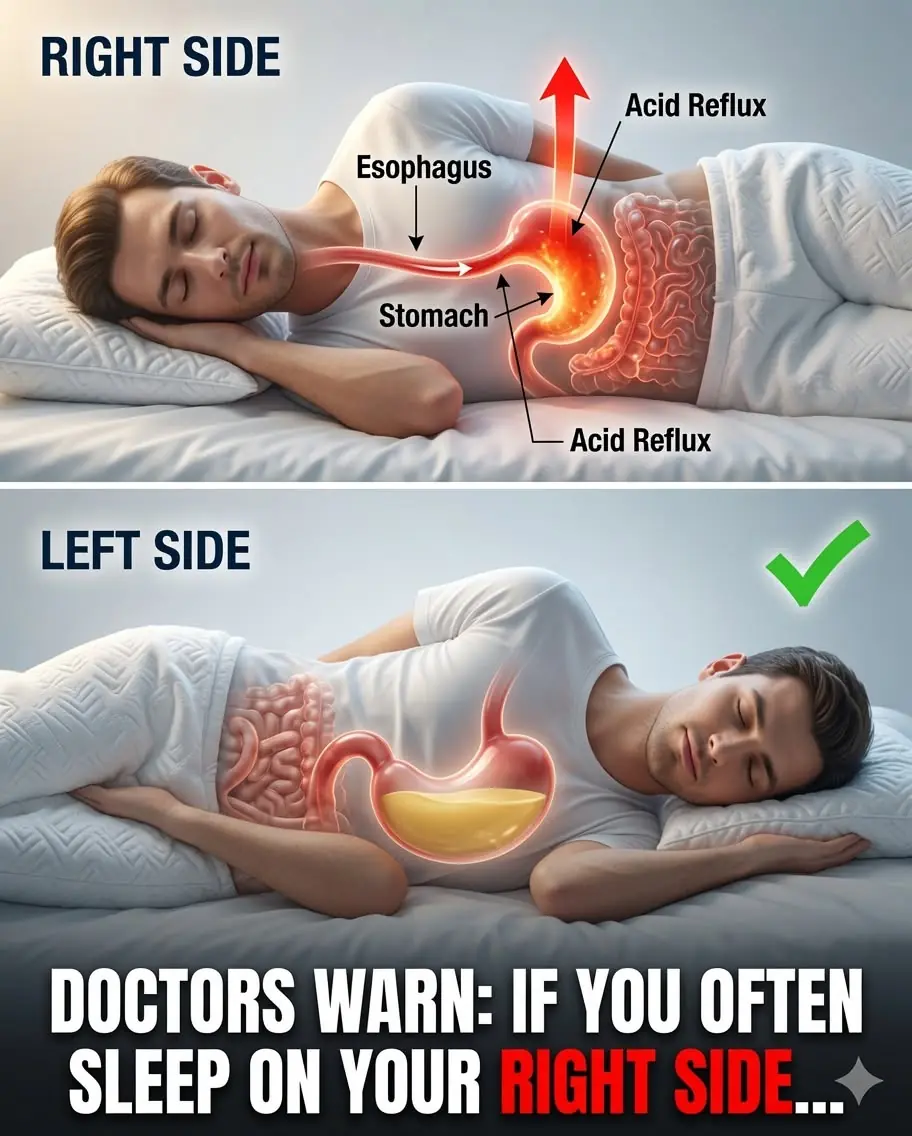
Side Sleeping (The Best for Most): Sleeping on your side keeps your airway open and reduces acid reflux. To protect your spine, pull your knees up slightly toward your chest and place a pillow between your knees to keep your hips aligned.
Back Sleeping (Great for Spine Health): Sleeping flat on your back keeps your spine, neck, and head in a neutral position, avoiding unnecessary pressure points. It also prevents facial wrinkles. However, it can worsen snoring and sleep apnea.
While comfort is important for a good night's rest, the way you sleep matters just as much as how long you sleep. Sleeping on your stomach forces your neck and spine out of alignment, leading to chronic back pain, neck stiffness, and nerve compression. Making an effort to switch to your side or back can significantly improve how your body feels when you wake up.