Metabolic Interventions in Oncology: The Impact of a Ketogenic Diet on Colorectal Tumor Progression
Facts 19/12/2025 00:34
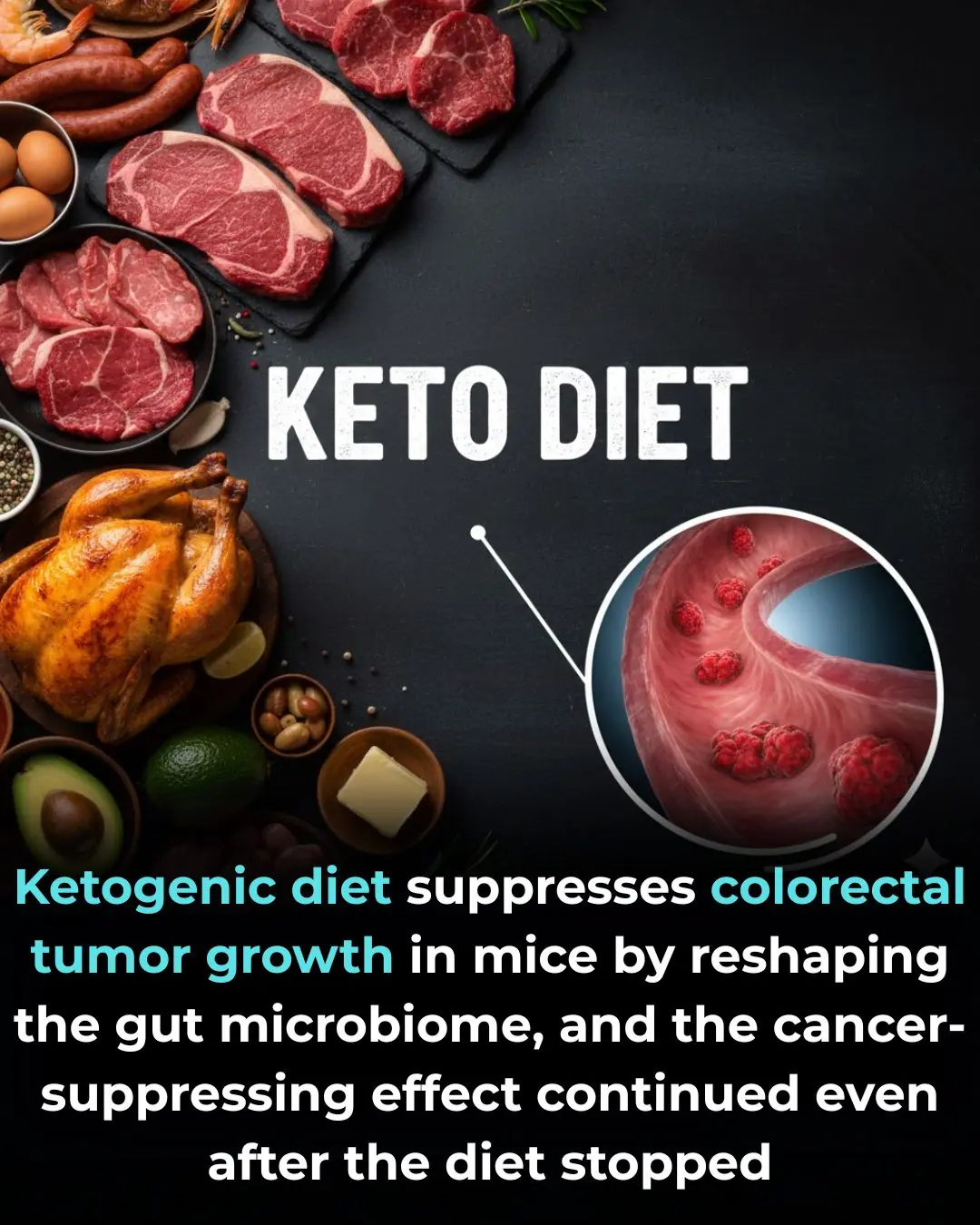
Colorectal cancer (CRC) remains a significant global health challenge, necessitating innovative therapeutic approaches beyond traditional surgery and chemotherapy. Recent scientific inquiries have pivoted toward metabolic interventions, specifically the Ketogenic Diet (KD)—a nutritional regimen characterized by high fat and extremely low carbohydrate intake. Emerging evidence suggests that the KD does not merely act as a weight-loss tool but serves as a biological modulator capable of suppressing tumor progression through the alteration of the gut environment.
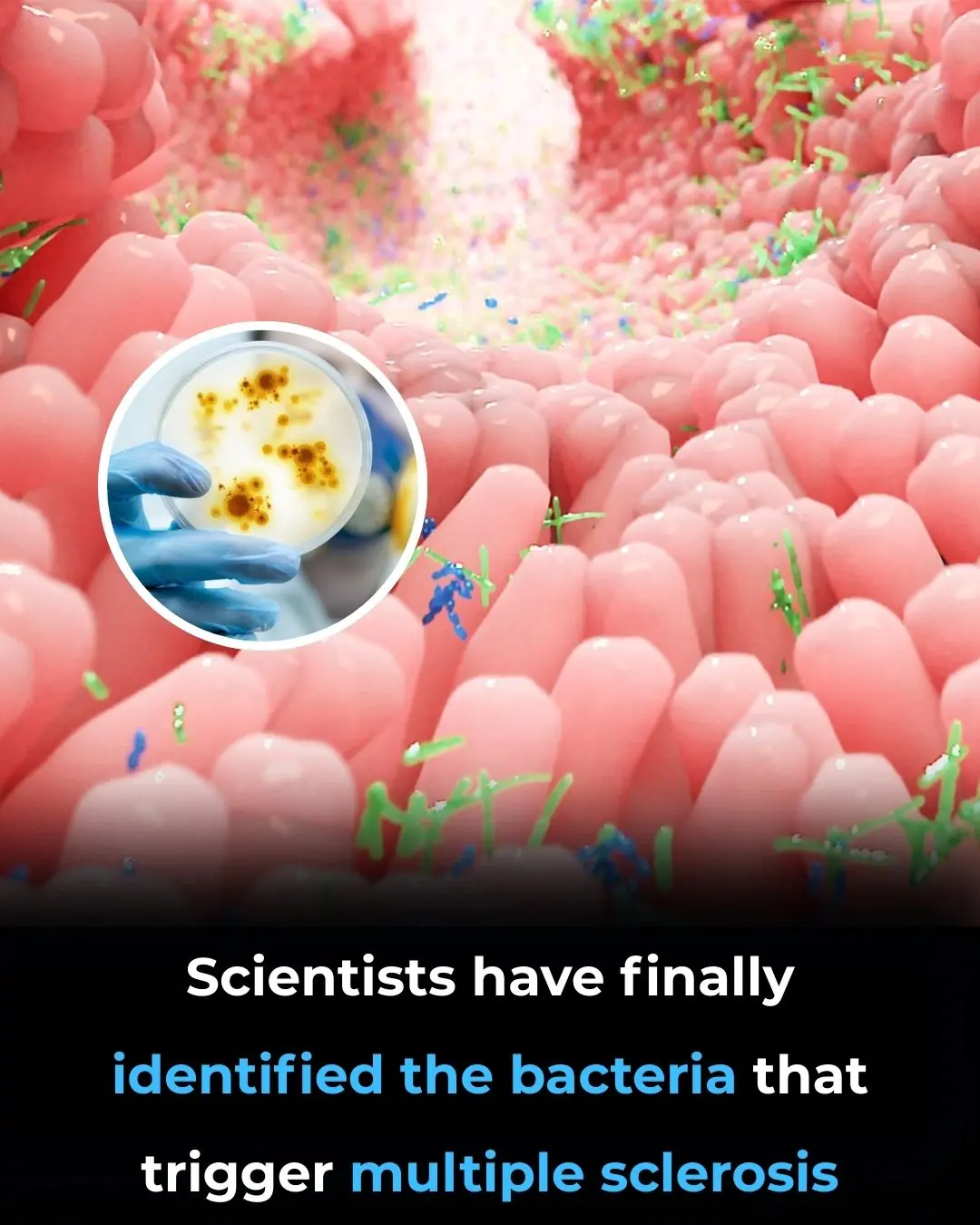
The primary mechanism by which the Ketogenic Diet exerts its anti-cancer effects is through the reshaping of the gut microbiome. The gut microbiota consists of trillions of microorganisms that play a crucial role in host metabolism and immune function. In studies involving murine models (mice), the implementation of a KD led to a fundamental shift in microbial populations.
This shift favors the growth of beneficial bacteria that produce specific metabolites, such as beta-hydroxybutyrate ($\beta HB$), which have been shown to inhibit the proliferation of colorectal cancer cells. By depriving the tumor of its preferred fuel source—glucose—and fostering a microbiome that produces anti-tumor compounds, the diet creates a hostile metabolic landscape for malignancy.
One of the most profound findings in this area of research is the longevity of the dietary impact. Experimental data indicates that the cancer-suppressing effect continued even after the diet stopped. This suggests that the Ketogenic Diet induces a semi-permanent or "legacy" change in the gut's microbial architecture.
This sustained effect implies that periodic or short-term ketogenic interventions might be sufficient to establish a microbial community that continues to protect the host against colorectal tumor growth long after standard carbohydrate consumption is resumed. This "metabolic memory" offers a promising outlook for patients seeking long-term maintenance strategies after initial cancer treatment.
The intersection of nutrition and oncology provides a powerful new frontier in the fight against colorectal cancer. By leveraging the body’s own microbiome through the Ketogenic Diet, researchers have demonstrated a viable path to suppressing tumor growth with lasting results. As we move toward personalized medicine, dietary reprogramming may become a standard pillar of integrative cancer care.