MISTAKE #1 WHEN CHEWING CLOVES (YOUR HEALTH IS IN DANGER)

Cloves have been treasured for centuries—not only as a spice that adds warmth and depth to food but also as a natural remedy for toothaches, digestion, and even boosting immunity. Today, many people chew cloves as a quick home remedy for bad breath or stomach discomfort. But here’s the catch: using cloves the wrong way can do more harm than good.
Recent studies show that while cloves are rich in antioxidants and beneficial oils, improper use can lead to mouth irritation, digestive issues, and even liver problems. In fact, chewing cloves incorrectly is one of the most common mistakes people make when trying to tap into their health benefits. In this article, we’ll uncover the number one mistake people make when chewing cloves, what the risks are, and how to use them safely to protect your health.
What Makes Cloves So Powerful?
Cloves come from the dried flower buds of the Syzygium aromaticum tree and are packed with active compounds. The most important is eugenol, an essential oil that gives cloves their distinctive aroma and potent medicinal properties.
Health benefits of cloves include:
- Natural antiseptic for oral health
- Improves digestion by stimulating enzyme secretion
- Contains antioxidants that fight oxidative stress
- May support liver health in small amounts
- Acts as a mild pain reliever for toothaches and sore throats
Sounds like a super spice, right? Yes—but only if used the right way.
The Biggest Mistake: Chewing Too Many Cloves at Once
Many people believe that “more is better” and chew multiple cloves daily, thinking they’ll get faster results for digestion, immunity, or fresh breath. Unfortunately, this is a dangerous misconception.
Why it’s risky:
- High concentration of eugenol: Excess eugenol can irritate the mouth lining, cause throat burning, or upset the stomach.
- Liver toxicity: Large amounts of eugenol are linked to liver damage in both animal and human studies.
- Increased bleeding risk: Eugenol slows blood clotting, so overuse can be risky for those taking blood thinners or preparing for surgery.
- Allergic reactions: Some people may develop rashes or swelling from clove oil residue.
Bottom line: Chewing too many cloves is not only uncomfortable but can put your overall health in danger.
How to Chew Cloves Safely
If you want to enjoy the health benefits of cloves without side effects, moderation and technique are key.
Guidelines for Safe Use:
- Stick to 1–2 cloves per day – enough to freshen breath and support digestion.
- Chew gently, don’t crush too hard – this prevents an overwhelming release of eugenol.
- Spit out the woody residue – avoid swallowing the hard fiber, which can irritate digestion.
- Use after meals – cloves stimulate digestive enzymes and help reduce bloating.
- Avoid on an empty stomach – concentrated oils may cause nausea.
Safer Alternatives to Excess Chewing
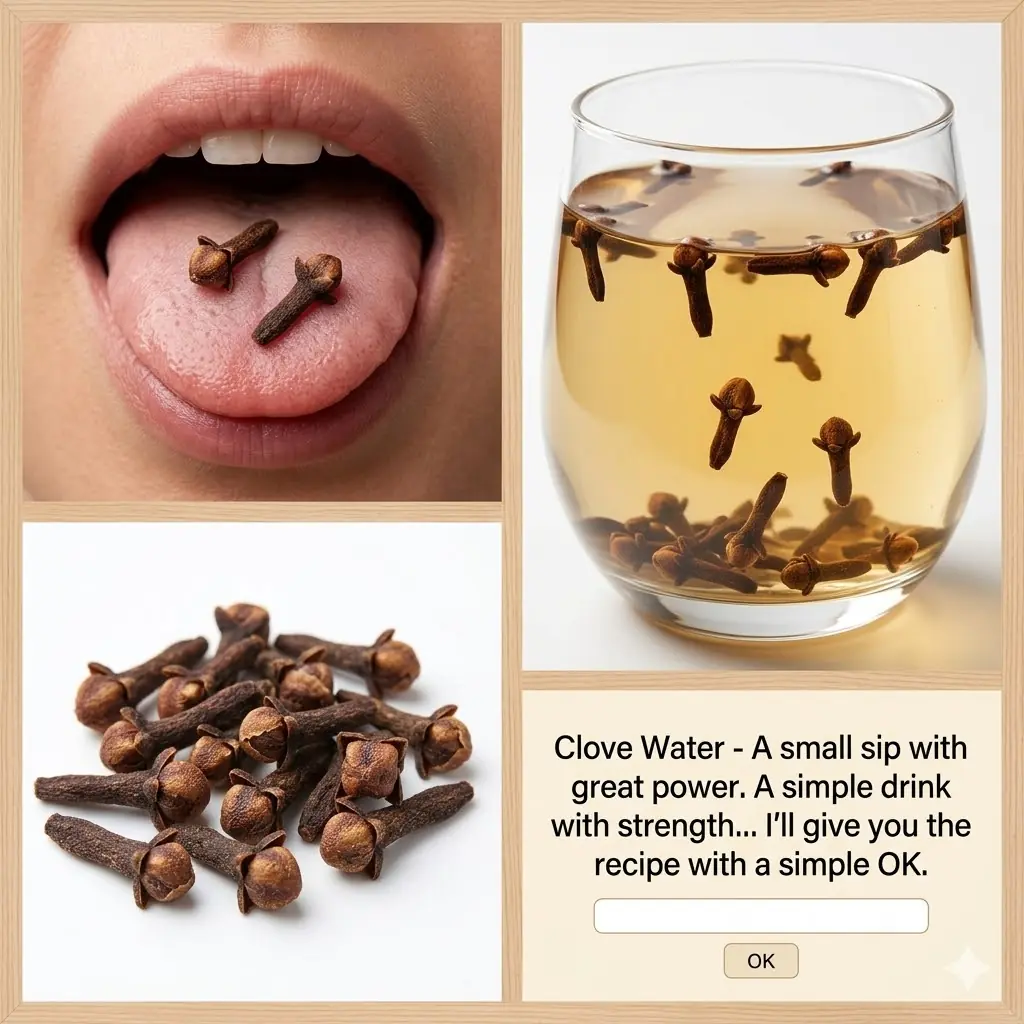
- Clove tea: Steep 2–3 cloves in hot water for a gentle digestive drink.
- Clove powder in honey: A traditional remedy for sore throats.
- Clove-infused oil: Apply topically (diluted) for toothache relief.
Who Should Be Extra Careful?
Not everyone can handle cloves safely. If you fall into any of these groups, talk to a healthcare professional before chewing cloves regularly:
- People taking blood thinners (like warfarin or aspirin)
- Individuals with liver conditions
- Pregnant or breastfeeding women
- Children under 12 (sensitive to essential oils)
- People with a history of allergies to spices
Everyday Tips for Using Cloves Without Risk
- Treat cloves like a supplement, not a snack.
- Balance with other herbs like cardamom, cinnamon, or fennel for digestive support.
- Always start small to test your tolerance.
- Use in cooking instead of raw chewing when in doubt—curries, teas, and broths deliver the benefits in gentler doses.
Conclusion
Cloves are one of nature’s most powerful spices—but chewing them the wrong way can backfire. The number one mistake is consuming too many cloves at once, which can put your liver, digestion, and overall health at risk. Instead, use cloves wisely: chew just one or two after meals, or enjoy them as tea for a safer, more balanced approach.
FAQ
Q: Can chewing cloves really help with bad breath?
A: Yes, clove oil has natural antibacterial properties that freshen breath, but limit to 1–2 cloves.
Q: Is it safe to chew cloves daily?
A: Yes, in small amounts (1–2 cloves), but avoid long-term overuse without medical advice.
Q: Can cloves cure gray hair or other health conditions?
A: No. While cloves are beneficial, they are not a cure-all. They should be part of a healthy lifestyle, not a replacement for medical treatment.
Disclaimer: This article is for informational purposes only. It does not replace professional medical advice. Always consult a healthcare provider before adding new remedies to your routine.

News in the same category


Weird Hacks That Heal Faster Than You Think: Folk Remedies Through a Scientific Lens

4 Subtle Signs in Your Feet That Could Signal Liver Trouble

Why a Gastroenterologist Drinks Tart Cherry Juice Every Day for Gut Health

Rippled Fingernails Reveal Secrets Of Possible Disease

15 visible signs of low thyroid you can see – don’t ignore #7!

6 Physical Changes That Happen When Your Heart is In Serious Danger

Prostate health expert reveals the 5 daily habits men over 50 shouldn’t ignore

If You Want to FLUSH Out Blood Sugar OVERNIGHT, Do THIS!

Top 8 Foods for Stronger Legs (Seniors, Eat Daily!)

Doctors Warn: 10 Silent Signs Your Leg Arteries Are Clogged

1 shot to open arteries instantly (prevent heart attack & stroke)

5 Ancient Ayurvedic Remedies That May Help Cleanse Clogged Arteries Naturally

How to Grow Rosemary Abundantly at Home: Your Aromatic, Memory-Supportive Garden Ally

Blood pressure creeping up? 10 natural fixes before meds

🫁 The Real Causes of Constant Phlegm and Mucus in Throat — And How to Get Rid of It

The Hidden Danger on Your Fruit — and the Simple Method That Can Make It Safer

5 Signs Your Lungs are Being Exposed to Mold

How Cancer Spreads Through The Lymphatic System (And How To Keep It Healthy)

This tasty recipe drops blood pressure by massive amounts naturally
News Post

The Meaning Behind a Single Upside-Down Baluster in a House

Sore Throat Relief: Why Cloves May Be the Natural Remedy You’re Missing

Weird Hacks That Heal Faster Than You Think: Folk Remedies Through a Scientific Lens

4 Subtle Signs in Your Feet That Could Signal Liver Trouble

Why a Gastroenterologist Drinks Tart Cherry Juice Every Day for Gut Health

According to The Guardian

Their prices are just mind-blowing!

Rippled Fingernails Reveal Secrets Of Possible Disease

Surprisingly reduce your electricity bill by placing paper towels in the refrigerator – Anyone can do it!

Super cheap and effective drain cleaning tips using only kitchen ingredients, no plumber needed.

Golden tips for choosing Vietnamese sausage: Identify borax with a simple, absolutely safe method.

WARNING: Counterfeit milk is rampant. Here's a simple way to distinguish between REAL and FAKE powdered milk with just a glass of cold water.

Tips for identifying spinach and other leafy greens contaminated with chemicals.

4 simple, effective, and inexpensive tips for cleaning yellow sweat stains from white shirts.

Revolutionary Discovery: South Korean Scientists Turn Cancer Cells into Healthy Tissue—No Chemotherapy Needed

Revolutionary Drug Could Regrow Your Teeth Naturally – Japan’s World-First Clinical Trial

15 visible signs of low thyroid you can see – don’t ignore #7!

6 Physical Changes That Happen When Your Heart is In Serious Danger

Prostate health expert reveals the 5 daily habits men over 50 shouldn’t ignore