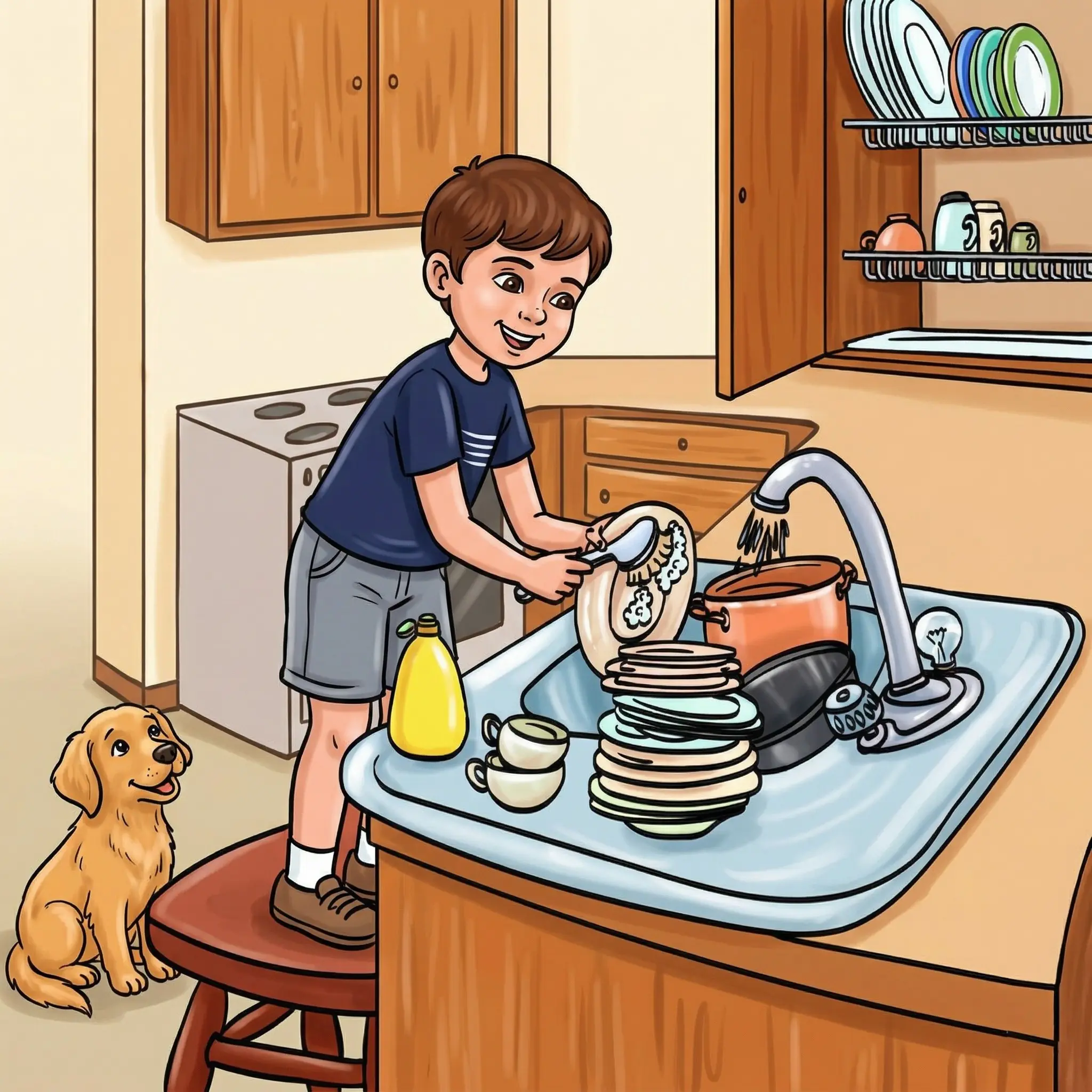
How many number 6 can you find in this picture?
Facts 30/05/2026 22:39

Why Mixing Your Medications in One Pill Box Can Be a Serious Mistake
Keeping your medications organized is essential—especially if you take multiple pills every day. For many people, pill boxes feel like the perfect solution. They help you stay on schedule, avoid missed doses, and simplify your routine.
But there’s one common habit that can quietly turn this helpful tool into a serious risk:
Mixing different medications together in the same compartment without their original packaging.
It might seem convenient at first—but it can lead to confusion, reduced effectiveness, and even dangerous health consequences.
Let’s break down why this small shortcut isn’t worth the risk.
At a glance, many pills look nearly identical.
Similar shapes, similar colors, similar sizes—it’s easier than you think to mix them up once they’re out of their original containers. When multiple medications are stored together, the chances of grabbing the wrong one increase significantly.
This is especially concerning for:
A simple mistake—like taking the wrong pill or doubling a dose—can lead to missed treatment, unexpected side effects, or even emergency situations.
Medication packaging isn’t just there for convenience—it’s there for protection.
Each bottle or box includes essential details like:
Once pills are removed and mixed together, all of that information disappears.
If something goes wrong—like a bad reaction or a missed dose—it becomes much harder to identify what you’ve taken. That can delay treatment and make it more difficult for healthcare professionals to help you quickly and safely.
Not all pills are meant to sit in a basic container.
Many medications are packaged specifically to protect them from:
When you transfer them into a standard pill organizer—or worse, mix them together—you remove that layer of protection.
And where you store them matters too.
Bathrooms and kitchens may seem convenient, but they’re often warm and humid—two things that can quietly reduce a medication’s effectiveness over time. You might think you’re following your treatment correctly, while the medicine itself is no longer working as intended.
When medications share the same space, things can go wrong in subtle ways.
Some pills:
Over time, this makes identification even harder. If a pill breaks and mixes with another, you may not even know what you’re taking anymore.
This becomes especially dangerous with medications that require precise dosing, such as:
With these, even a small mistake can have serious consequences.
Staying organized doesn’t mean taking risks—it just means being more intentional.
If you use a pill organizer:
And most importantly, keep your original medication bottles nearby. They’re your backup for verifying names, doses, and instructions whenever needed.
Mixing medications into one container might seem like a harmless shortcut—but it can create real dangers.
Sometimes, it’s the simplest habits that carry the biggest risks.
Keeping your medications properly labeled, stored, and separated isn’t complicated—but it’s one of the most effective ways to protect your health and avoid preventable mistakes.
Because when it comes to medication safety, clarity isn’t optional—it’s essential.