Waking up with sticky and irritated eyelids can be both uncomfortable and concerning. This common issue affects many people and can stem from a variety of causes ranging from simple environmental factors to more complex health conditions.
Understanding why your eyelids feel sticky and irritated in the morning is the first step toward finding relief. This article explores the common reasons behind this phenomenon and offers guidance on how to manage these symptoms effectively.
Advertisement
1. Overnight Eye Secretions: Why Your Lids Feel Sticky First Thing
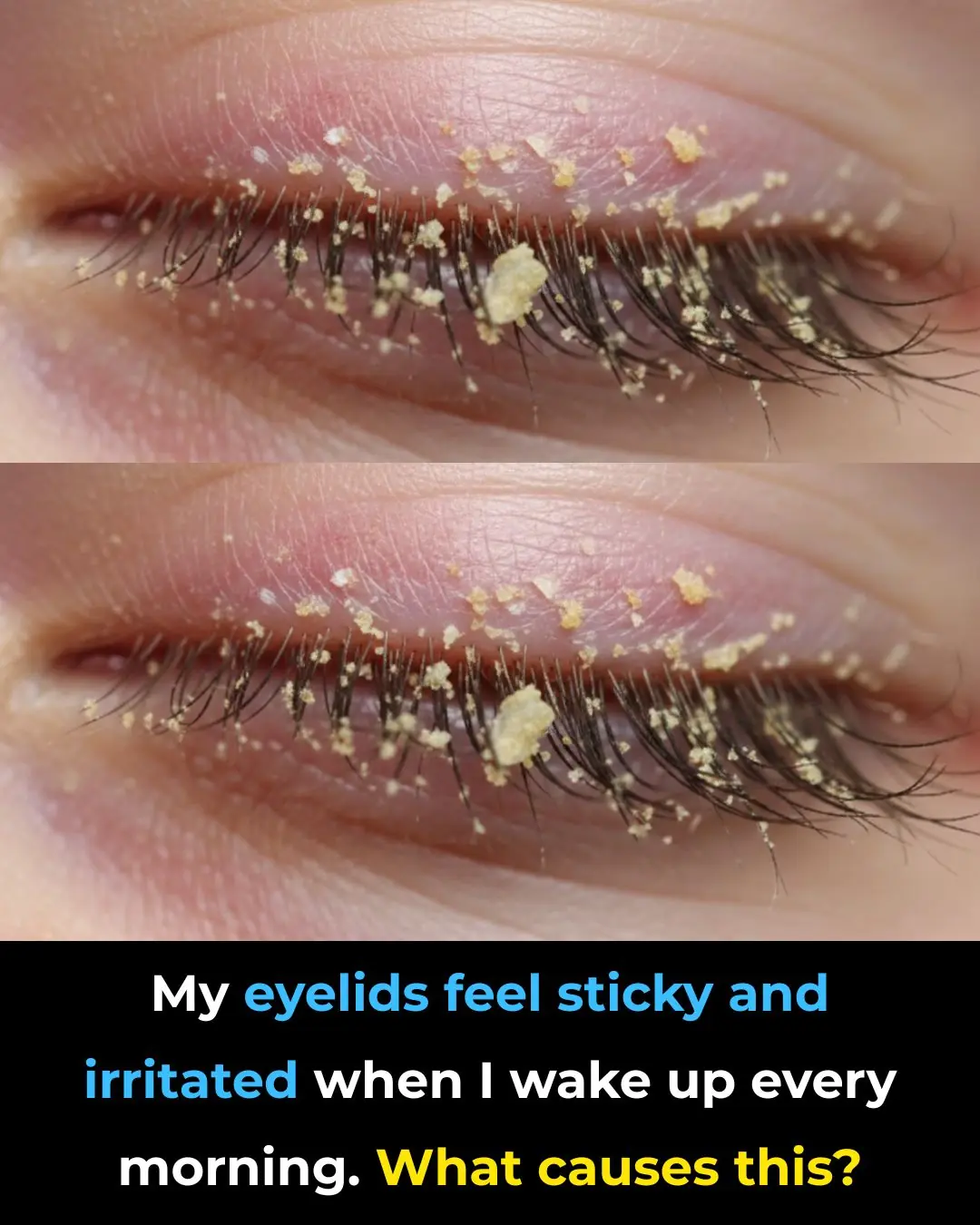
During sleep, your eyes produce a mixture of mucus, oil, and skin cells that can accumulate at the corners of your eyes and along your eyelashes. This substance, commonly referred to as 'eye crust' or 'sleep,' is a natural byproduct of the eye's self-cleaning process.
Normally, tiny glands in your eyes produce tears and oils that form a protective film over the surface of the eye. However, when you're asleep, this process can result in a higher concentration of eye crust, leading to sticky eyelids when you wake up.
2. Blepharitis: The Most Common Culprit Behind Morning Eyelid Irritation
Blepharitis is an inflammation of the eyelid edges, often caused by bacteria, dandruff, or issues with oil glands. This condition is one of the most common reasons for morning eyelid irritation.
Symptoms include red, swollen eyelids, itching, and a sticky sensation. Managing blepharitis involves maintaining good eyelid hygiene, such as regular cleaning with a warm, damp cloth, and in some cases, using medicated ointments or drops prescribed by an eye doctor.
3. Meibomian Gland Dysfunction: When Your Oil Glands Clog Up
The Meibomian glands, located in the eyelids, are responsible for secreting oils that keep the eyes lubricated. When these glands become clogged, it leads to Meibomian Gland Dysfunction (MGD), which can cause dry eyes and irritation.
MGD is a common condition that can make your eyelids feel sticky in the morning due to poor tear film quality. Treatment often includes warm compresses to unclog the glands and improve oil secretion, along with eyelid massages and prescribed therapies.
4. Allergies and Irritants: Pollen, Dust, and Products That Inflame Your Lids
Allergies to environmental factors like pollen, dust, or pet dander can lead to itchy, irritated, and sticky eyelids, especially upon waking. These allergens cause the body to release histamines, leading to inflammation and discomfort.
Additionally, certain skincare products or cosmetics may irritate the delicate skin around the eyes. Identifying and avoiding triggers, along with using antihistamine eye drops, can help alleviate symptoms.
5. Dry Eye Syndrome: How Poor Tear Quality Leads to Sticky Mornings
Dry Eye Syndrome occurs when your eyes do not produce enough tears or when the tears evaporate too quickly. This condition can lead to sticky eyelids due to the accumulation of mucus and debris.
Factors contributing to dry eyes include prolonged screen time, air conditioning, and certain medications. To manage dry eyes, use artificial tears, take regular breaks from screens, and consider adding humidity to your environment.
6. Eye Infections: Pink Eye, Styes, and Other Causes of Crusty Eyelids
Eye infections like conjunctivitis (pink eye) and styes can result in crusty, sticky eyelids. Conjunctivitis is characterized by redness, swelling, and discharge, often making the eyes feel glued shut in the morning.
Styes are painful, red lumps near the edge of the eyelid caused by bacterial infection of oil glands. Treatment involves maintaining cleanliness, using warm compresses, and in some cases, antibiotics prescribed by a healthcare professional.
7. Contact Lenses and Makeup: Everyday Habits That Aggravate Your Eyelids
Wearing contact lenses for extended periods or not cleaning them properly can lead to irritation and sticky eyelids. Similarly, failing to remove makeup before bed can clog pores and exacerbate eye irritation.
Make sure to follow proper lens hygiene and always remove makeup thoroughly before sleeping to prevent irritation. Additionally, consider using hypoallergenic products to minimize the risk of reactions.
8. Skin Conditions Like Rosacea and Seborrheic Dermatitis Around the Eyes
Skin conditions such as rosacea and seborrheic dermatitis can affect the eyelids, causing redness, flakiness, and irritation. These conditions can contribute to the sensation of sticky eyelids, particularly in the morning.
Treatment involves managing the underlying skin condition with appropriate skincare routines and medications prescribed by a dermatologist.
9. When Sticky Eyelids Signal an Underlying Health Issue
Sometimes, sticky eyelids can indicate more serious health problems such as autoimmune disorders or chronic conditions like diabetes. These underlying issues can affect tear production and eye health.
If you experience persistent symptoms that do not improve with standard treatments, it's important to consult a healthcare provider to rule out any systemic health concerns.
10. At-Home Care: Warm Compresses, Lid Hygiene, and Other Simple Fixes
Many cases of sticky eyelids can be managed with simple at-home remedies. Applying a warm compress to your eyes can help loosen debris and improve oil flow from the glands.
Regularly cleaning your eyelids with a gentle cleanser and maintaining good eyelid hygiene can also prevent irritation. Over-the-counter artificial tears can provide additional relief for dry eyes.
11. When to See an Eye Doctor and What Treatment to Expect
If your symptoms persist despite at-home care, it's important to see an eye doctor for a comprehensive evaluation. An eye specialist can diagnose underlying conditions and recommend appropriate treatments, which may include prescription medications or specialized therapies.
Early intervention can prevent complications and improve your quality of life, so do not hesitate to seek professional advice if you have concerns about your eye health.