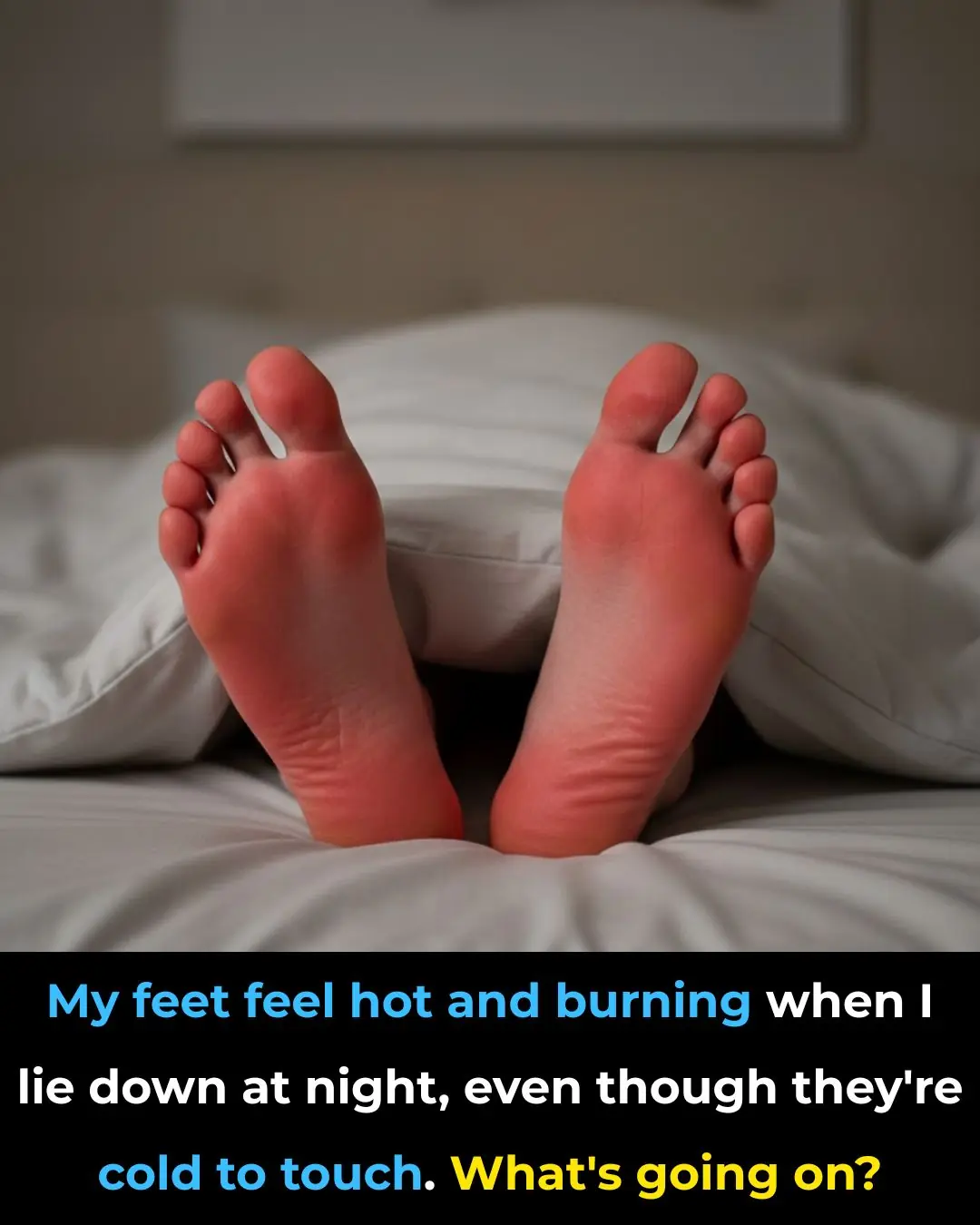
The sensation of hot, burning feet at night can be both perplexing and distressing, especially when the skin feels cold to the touch. This paradoxical experience often leaves individuals wondering about the underlying causes. While it might seem like a simple issue of temperature regulation, the phenomenon often involves complex interactions between the nervous and circulatory systems.
Understanding what causes your feet to feel hot and burning, even though they are cold to touch, requires a closer look at your body's internal systems. From nerve-related issues to circulatory problems, various factors can contribute to this sensation. Identifying the root cause is crucial not only for finding relief but also for addressing any underlying health conditions.
Advertisement
1. Why Your Feet Can Feel Burning Hot Yet Be Cold to the Touch
This phenomenon occurs due to a disconnect between sensory perception and actual physical conditions. The nerves responsible for sensing temperature may be sending mixed signals to the brain. When your feet feel hot and burning but are cold to the touch, the issue often lies with the peripheral nerves. These nerves can become hypersensitive, sending erroneous messages to the brain that manifest as a burning sensation.
Another contributing factor is the lack of adequate blood flow. Poor circulation can cause your extremities to feel cold while the nerves in the area respond as if they are burning. This is particularly common in cooler environments or at night when circulation naturally slows down. The body’s temperature regulation can also be affected by hormonal changes or stress, which can exacerbate the sensation.
2. How Peripheral Neuropathy Triggers Nighttime Burning Feet
Peripheral neuropathy is a condition where the peripheral nerves are damaged, leading to symptoms such as tingling, numbness, and burning sensations in the extremities, commonly the feet. This condition often worsens at night, when the body's natural cooling processes and changes in circulation patterns can exacerbate symptoms.
Neuropathy can result from various causes, including diabetes, infections, and exposure to toxins. The damaged nerves misfire, sending pain signals even when there's no apparent cause. This can make the feet feel like they are burning, despite being cold to the touch due to reduced blood flow and physical inactivity during sleep.
3. Circulation Issues: When Blood Flow Confuses Your Temperature Signals
Circulation issues can play a significant role in why your feet feel hot and burning. Conditions such as peripheral artery disease (PAD) can reduce blood flow to the extremities, causing them to feel cold. However, the lack of proper circulation can also lead to nerve stress, resulting in a burning sensation.
Additionally, venous insufficiency, where the veins have problems sending blood from the limbs back to the heart, can cause similar symptoms. The pooling of blood in the lower extremities can lead to feelings of heaviness and burning, especially when lying down at night, as gravity affects circulation.
4. Nerve Misfires From Diabetes, Prediabetes, and Metabolic Syndrome
Diabetes and prediabetes are among the most common causes of peripheral neuropathy. High blood sugar levels can damage nerves over time, leading to symptoms like burning, tingling, and numbness in the feet. This condition is known as diabetic neuropathy and often presents more intensely at night.
Metabolic syndrome, a cluster of conditions including insulin resistance, high blood pressure, and abnormal cholesterol levels, can also contribute to nerve damage and circulation issues. These factors combine to create the sensation of burning feet, even when they are cold to touch.
5. Vitamin Deficiencies, Alcohol, and Other Lifestyle Triggers
Certain vitamin deficiencies, particularly B vitamins like B12, B6, and folate, can lead to neuropathy and symptoms such as burning feet. These vitamins are crucial for nerve health, and their deficiency can lead to nerve damage.
Excessive alcohol consumption is another common cause of neuropathy. Alcohol can be toxic to nerve tissue and exacerbate vitamin deficiencies, leading to burning sensations in the feet. Lifestyle factors like poor diet and lack of exercise can also contribute to circulation problems and nerve health issues, making these sensations more pronounced.
6. Medications, Toxins, and Hidden Side Effects in Your Nerves
Certain medications can have side effects that affect nerve function, leading to symptoms such as burning feet. Chemotherapy drugs, for example, are known to cause peripheral neuropathy. Other medications that may have similar side effects include some antibiotics and antivirals.
Exposure to toxins, whether environmental or occupational, can also damage nerves and lead to burning sensations. Heavy metals like lead and mercury are known neurotoxins that can contribute to neuropathy.
7. When Back Problems or Pinched Nerves Show Up as Burning Feet
Issues with the spine, such as herniated discs or spinal stenosis, can lead to nerve compression that affects the feet. When nerves in the lower back are pinched, they can send pain signals that manifest as burning sensations in the feet.
Sciatica, a condition where the sciatic nerve is compressed, can also lead to similar symptoms. The discomfort often radiates down the leg to the foot, causing burning sensations, even though the feet themselves may feel cold.
8. Simple At-Home Checks to Tell If It’s More Than Just Cold Feet
Performing simple checks at home can help determine if your burning feet are due to nerve or circulation issues. One way is to check for color changes in the feet. Pale or bluish color can indicate poor circulation, while redness may suggest inflammation or nerve issues.
Another method is to perform a temperature test by placing a warm cloth on your feet and observing if the sensation differs from other parts of your body. Additionally, checking for loss of sensation by lightly touching your feet with a feather or cotton ball can indicate nerve damage.
9. When to See a Doctor (And What Tests to Expect)
If you experience persistent burning sensations in your feet, especially if accompanied by other symptoms like numbness or weakness, it is crucial to seek medical advice. A healthcare professional can perform a thorough examination and may recommend tests such as nerve conduction studies, blood tests for diabetes or vitamin deficiencies, and imaging tests like MRIs to check for structural issues.
Early diagnosis and treatment are essential to prevent further nerve damage and address any underlying health conditions contributing to your symptoms.
10. Nighttime Relief: Practical Ways to Soothe Burning, Cold-Feeling Feet
To relieve burning sensations in your feet at night, try elevating your legs to improve circulation. Using a fan or cool cloth can help soothe the burning sensation. Over-the-counter pain relievers or topical creams containing capsaicin or lidocaine may provide relief.
Gentle foot massages and stretching exercises can also help improve blood flow and reduce symptoms. Ensuring your feet are warm (but not overheated) with socks or a light blanket can also help mitigate the cold feeling.
11. Long-Term Strategies to Protect Your Nerves and Prevent Progression
Protecting your nerves involves managing underlying health conditions, such as keeping blood sugar levels in check if you have diabetes. Incorporating a balanced diet rich in B vitamins and antioxidants can support nerve health.
Regular exercise improves circulation and overall vascular health, reducing the risk of neuropathy. Limiting alcohol intake and avoiding smoking are also critical steps in nerve protection. Regular check-ups with your healthcare provider can help monitor your progress and adjust your management plan as needed.