Reducing Prostate Discomfort Naturally with a Tomato and Garlic Drink
Health 01/03/2026 22:37
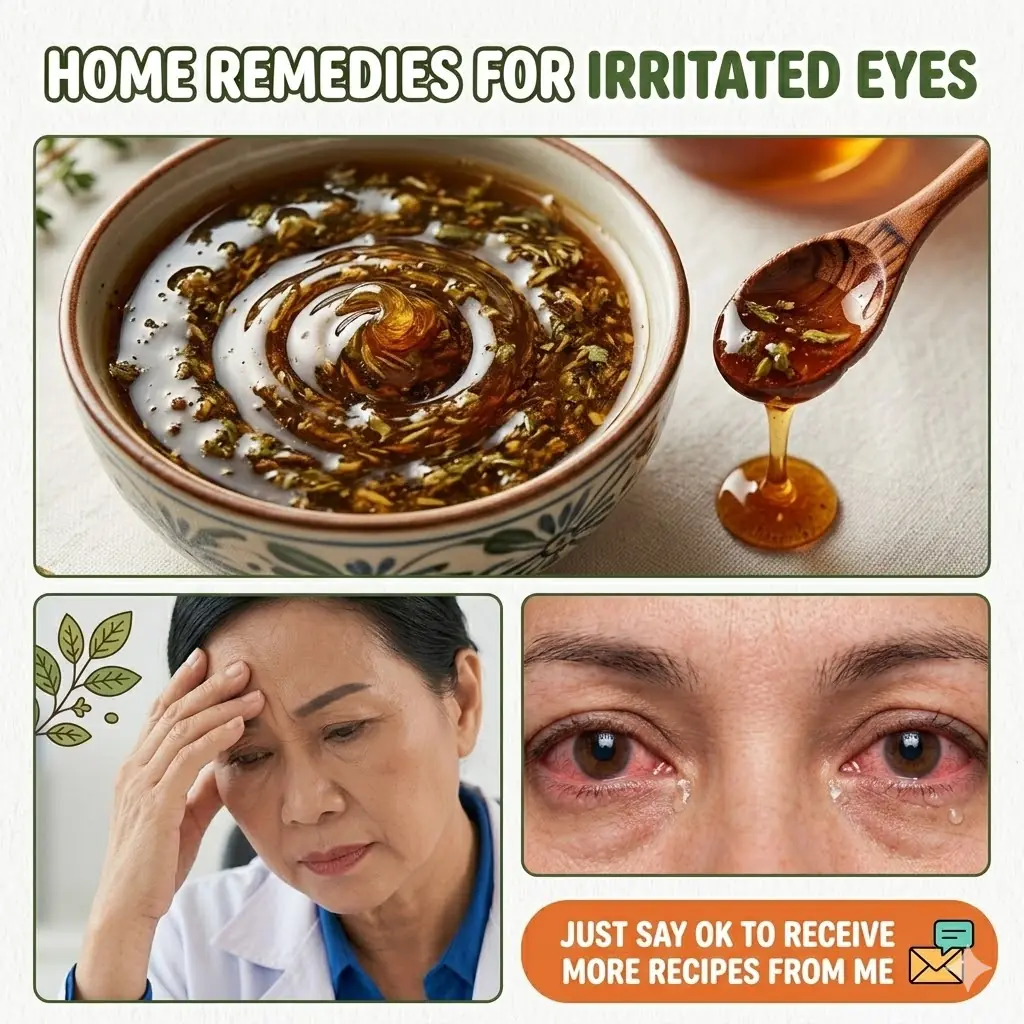
Waking up with sticky, irritated eyelids can be uncomfortable, frustrating, and sometimes even alarming. You may find your eyes partially sealed shut, your lashes clumped together, or your lids feeling swollen and itchy. While this issue is very common, the causes can range from harmless overnight buildup to underlying eye or systemic health conditions.
Understanding why your eyelids feel sticky in the morning is the first step toward finding the right solution. In many cases, the cause is mild and manageable. In others, persistent symptoms may signal inflammation, infection, or tear film imbalance that requires attention.
Let’s break down the most common reasons behind sticky, irritated eyelids — and what you can do about them.
While you sleep, your eyes continue their natural maintenance process. Tears, oils, mucus, and shed skin cells accumulate along the lash line and in the corners of your eyes. Because you’re not blinking during sleep, these secretions aren’t cleared away efficiently.
This dried mixture — commonly called “sleep” or eye crust — is usually harmless. However, if production increases or tear balance is disrupted, you may wake up with noticeably sticky lids.
Small oil glands along your eyelids help create a protective tear film. If the balance between oil, water, and mucus shifts overnight, debris becomes thicker and more adhesive.
Occasional mild crusting is normal. Excessive stickiness, however, may suggest irritation or gland dysfunction.
Blepharitis is inflammation of the eyelid margins and one of the most common reasons for persistent morning stickiness.
It can be triggered by:
Bacterial overgrowth
Dandruff (seborrheic dermatitis)
Blocked oil glands
Skin conditions like rosacea
Symptoms often include:
Red, swollen eyelids
Burning or itching
Flaky skin at the lash base
A gritty or sticky feeling upon waking
Blepharitis tends to be chronic and may flare periodically. Consistent eyelid hygiene is key — including warm compresses and gentle cleansing of the lash line. In moderate cases, prescription antibiotic or anti-inflammatory drops may be needed.
The Meibomian glands, located inside your eyelids, produce the oil layer of your tear film. This oil prevents tears from evaporating too quickly.
When these glands become clogged or inflamed, the tear film becomes unstable. This leads to:
Dryness
Irritation
Sticky residue
Blurred vision upon waking
MGD is extremely common, especially in people who spend long hours on screens or live in dry climates. Warm compresses help melt thickened oil, and gentle lid massage encourages healthy secretion.
If left untreated, MGD can worsen dry eye symptoms over time.
Allergic reactions are another frequent cause of sticky eyelids in the morning. During the night, allergens such as:
Dust mites
Pollen
Pet dander
Mold spores
can accumulate on bedding and irritate the eyes.
Your body responds by releasing histamines, causing inflammation, itchiness, redness, and watery or sticky discharge.
Cosmetics, skincare products, or even shampoo residue can also irritate the delicate eyelid skin. Switching to hypoallergenic products and washing pillowcases regularly can significantly reduce symptoms.
Antihistamine eye drops may help during allergy seasons.
Dry Eye Syndrome occurs when your eyes either don’t produce enough tears or produce tears that evaporate too quickly.
At night, tear production naturally decreases. If your tear film is already unstable, mucus and debris may accumulate more easily, leading to sticky lids by morning.
Contributing factors include:
Prolonged screen use
Air conditioning or heating
Hormonal changes
Certain medications
Aging
Using preservative-free artificial tears during the day and a lubricating eye ointment at night can improve comfort.
If your eyes feel glued shut in the morning, especially with yellow or green discharge, infection may be involved.
Conjunctivitis (pink eye) often presents with:
Redness
Swelling
Thick discharge
Light sensitivity
Bacterial conjunctivitis commonly causes heavy crusting. Viral conjunctivitis may cause watery discharge and irritation.
Styes are localized infections of oil glands, forming painful red bumps along the lid edge. They can contribute to swelling and stickiness.
Medical treatment may include antibiotic drops or ointment, depending on the cause.
Poor contact lens hygiene can irritate the eye surface and lead to discharge. Sleeping in lenses, extending wear beyond recommended time, or inadequate cleaning increases risk.
Similarly, failing to remove eye makeup thoroughly before bed can clog oil glands and trap bacteria along the lash line.
Adopting strict hygiene habits can dramatically reduce morning symptoms.
Conditions such as:
Rosacea
Seborrheic dermatitis
Eczema
can affect the eyelids. These inflammatory skin disorders often extend to the lash line, causing flaking, redness, and irritation that worsens overnight.
Managing the underlying skin condition is essential to improving eye symptoms.
In rare cases, persistent eyelid irritation may be linked to broader health concerns, including:
Autoimmune disorders
Thyroid dysfunction
Diabetes
Chronic inflammatory conditions
Systemic diseases can alter tear production, immune response, and gland function. If symptoms are persistent, worsening, or accompanied by vision changes, professional evaluation is important.
Many cases improve with consistent care:
Apply a warm compress for 5–10 minutes
Gently clean the lash line with diluted baby shampoo or lid wipes
Use preservative-free artificial tears
Replace old makeup products
Wash bedding weekly in hot water
Avoid rubbing your eyes
Good eyelid hygiene can prevent recurring buildup and inflammation.
Seek professional care if you experience:
Persistent symptoms lasting more than 1–2 weeks
Significant swelling or pain
Thick colored discharge
Blurred vision
Sensitivity to light
Recurrent infections
An eye doctor may perform:
Tear film evaluation
Gland function assessment
Allergy testing
Cultures for infection
Imaging in complex cases
Early treatment prevents complications and preserves long-term eye comfort.
Sticky, irritated eyelids in the morning are common — but they are not random. They are often signals that your tear film, oil glands, immune system, or hygiene routine needs attention.
Most cases are manageable with consistent care. However, persistent or severe symptoms should never be ignored. Paying attention early can prevent chronic inflammation and protect your long-term eye health.
If your mornings frequently begin with discomfort, your eyes may simply be asking for a little extra care — and possibly a closer look.