Mexico Ends Marine Animal Shows and Sparks a Health Centered Conservation Shift
News 07/01/2026 10:38
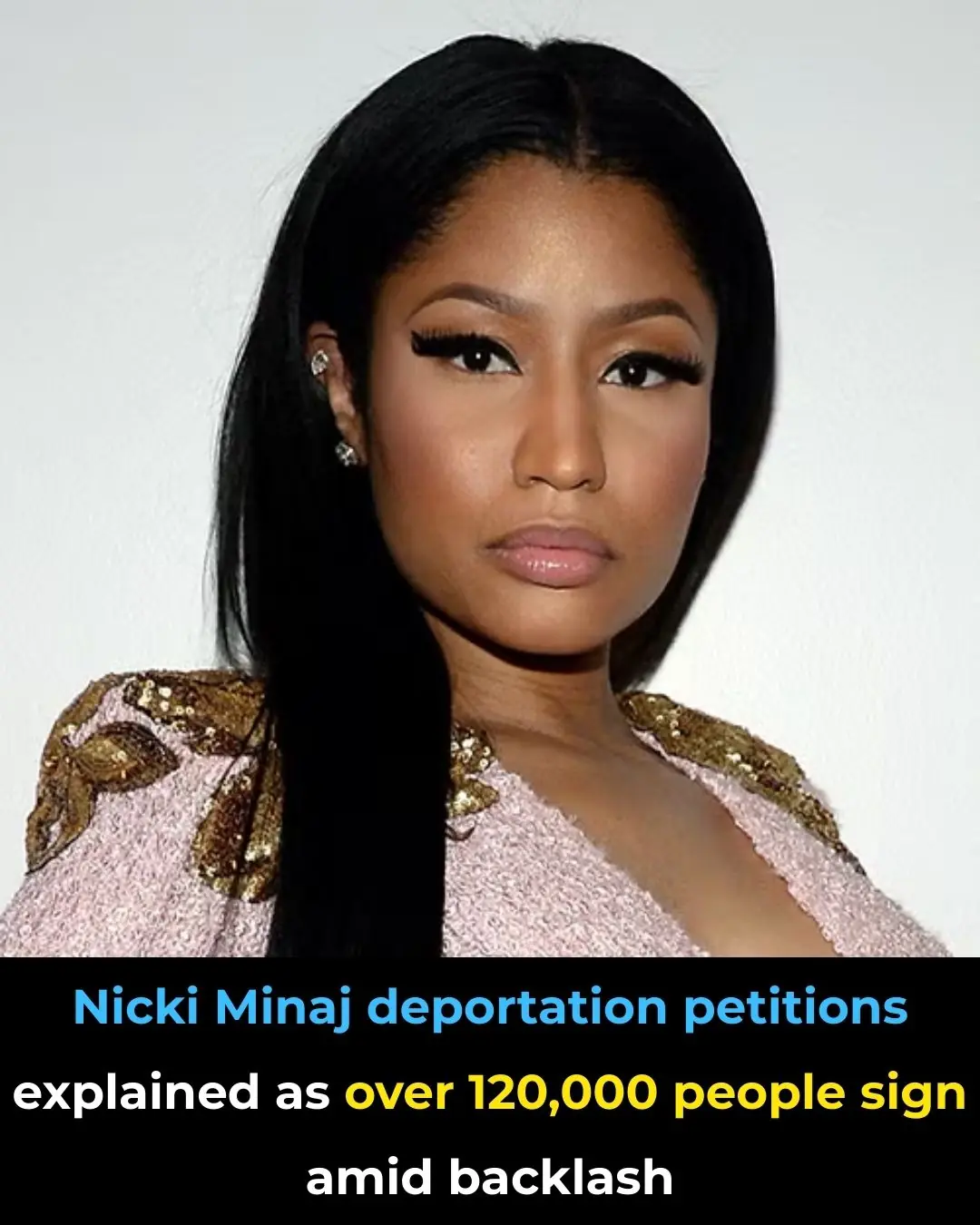
Nicki Minaj Faces Mounting Backlash as Fans Launch Deportation Petitions Following Political Controversy
Nicki Minaj, one of the most influential and commercially successful artists of the past decade, is facing an unprecedented wave of backlash from former fans after a series of political appearances and comments sparked outrage across social media. The controversy has escalated to the point where multiple online petitions are now calling for the rapper to be deported from the United States.
The 43-year-old Trinidad-born artist has recently drawn criticism for openly supporting conservative political figures, including former U.S. President Donald Trump and Vice President JD Vance. While Minaj has previously maintained a relatively fluid political stance and expressed support for LGBTQ+ communities, her recent actions have left many fans feeling shocked and betrayed.
The backlash intensified in December when Minaj made a surprise appearance at a Turning Point USA event in Phoenix, Arizona. During the event, she shared the stage with Erika Kirk, the widow of conservative activist Charlie Kirk. The appearance was widely circulated online and immediately condemned by fans who viewed it as a sharp departure from Minaj’s earlier public values.
Tensions rose further after Minaj made an awkward verbal misstep while praising conservative role models for young men. In her remarks, she referred to Vice President JD Vance using the word “killer” in a positive context—an unfortunate choice of words given that Erika Kirk’s husband had been assassinated at a Turning Point event just months earlier. Although Minaj quickly realized her mistake and was reassured by Kirk onstage, the moment went viral and was widely criticized as insensitive and deeply inappropriate.
In the days that followed, Minaj appeared to delete her Instagram account entirely. While she has previously deactivated her account on multiple occasions, many observers believe the timing was directly linked to the growing backlash. According to social media analytics cited by People, the incident triggered tens of thousands of negative posts within hours, with hashtags calling for accountability trending across X (formerly Twitter).
The controversy soon escalated beyond criticism into organized action. Two petitions were launched on Change.org demanding that Minaj be deported to Trinidad and Tobago, her country of birth. One petition has garnered more than 46,000 signatures, while another has surpassed 87,000. Supporters of the petitions cite Minaj’s political alignment, public comments, and past statements about her immigration status as justification.
Minaj has previously stated that she entered the United States illegally at the age of five. In a 2018 Instagram post criticizing Trump’s immigration policies, she wrote: “I came to this country as an illegal immigrant. I cannot imagine the terror of being in a strange place and being separated from your parents at five years old.” In a 2024 TikTok livestream, she further revealed that she had never officially become a U.S. citizen, despite paying millions of dollars in taxes over the course of her career.
However, legal experts have been quick to point out that the petitions hold no real legal authority. According to reporting by Reuters and Associated Press, Minaj is believed to be a lawful permanent resident and holds a U.S. green card, which grants her the right to live and work in the country indefinitely. Deportation cannot be triggered by political opinions or public speech alone.
The American Civil Liberties Union (ACLU) has previously emphasized that freedom of expression is protected under the First Amendment regardless of immigration status. “Criticizing U.S. policy or expressing political views is constitutionally protected speech,” the organization has stated. “Immigration enforcement cannot be used as punishment for political expression.”
Despite the legal reality, the petitions reflect a broader cultural reckoning over celebrity influence and political responsibility. Many former fans argue that Minaj’s alignment with figures associated with restrictive immigration policies and anti-transgender legislation contradicts her past advocacy and the values embraced by much of her fanbase.
Others, however, have defended the rapper, noting that her streaming numbers remain strong and that losing a portion of her audience is unlikely to significantly impact her career. As reported by BBC, Minaj continues to rank among the most-streamed female rappers globally, even amid controversy.
At present, there is no indication that the petitions will result in any official action. Still, the episode underscores the increasingly volatile intersection of celebrity culture, politics, and public accountability in the digital age—where fan support can quickly turn into organized opposition, even against one of music’s most powerful figures.
Sources: People, Reuters, Associated Press, BBC News, American Civil Liberties Union (ACLU)