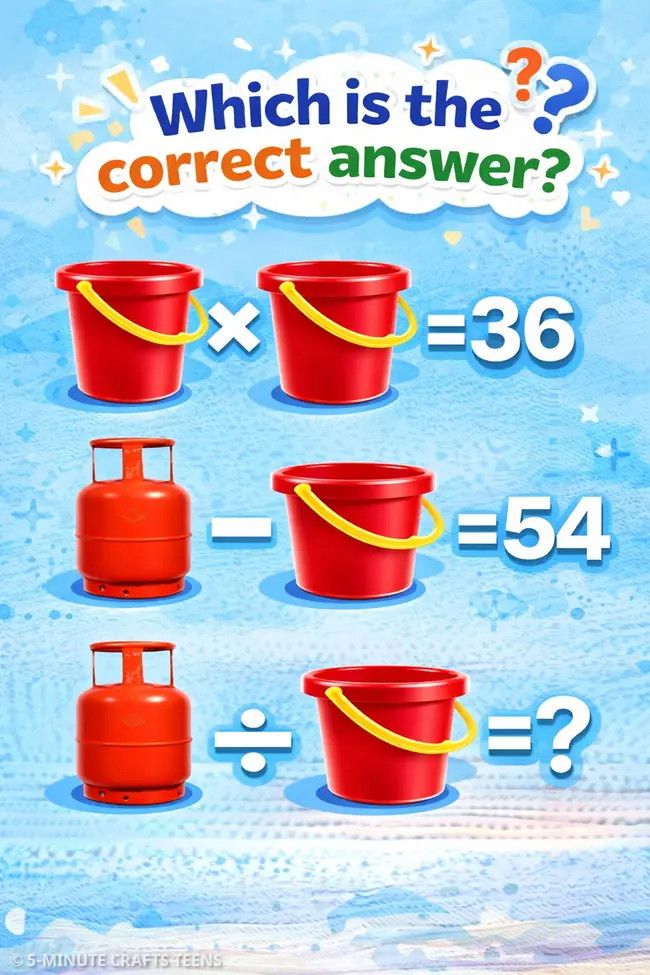
How to Solve the Red Bucket and Gas Tank Math Puzzle
Tips 01/04/2026 10:58
Psychology Says These Signs Reveal When a Friend Is Distancing Themselves from You
Friendship is one of the most meaningful relationships people experience in life.
Good friends provide emotional support, shared memories, trust, and companionship.
However, like all relationships, friendships can change over time. Sometimes people grow apart naturally because their priorities, lifestyles, or emotional needs evolve. In other situations, a friend may slowly begin to distance themselves without clearly explaining why.
Psychology suggests that there are certain behavioral patterns that often appear when someone is emotionally withdrawing from a friendship.
Recognizing these signs can help you understand what may be happening and decide how to respond in a healthy way.
One of the most noticeable signs that a friend may be distancing themselves is a sudden change in communication patterns.
Communication is the foundation of any strong relationship. When a friend begins replying less often, taking much longer to respond to messages, or giving very short and uninterested answers, it may indicate emotional withdrawal.
Psychologists explain that when people value a relationship, they usually make an effort to maintain regular contact.
If communication becomes consistently one-sided, where you are always the person initiating conversations, it could suggest that the other person’s level of investment in the friendship has decreased.
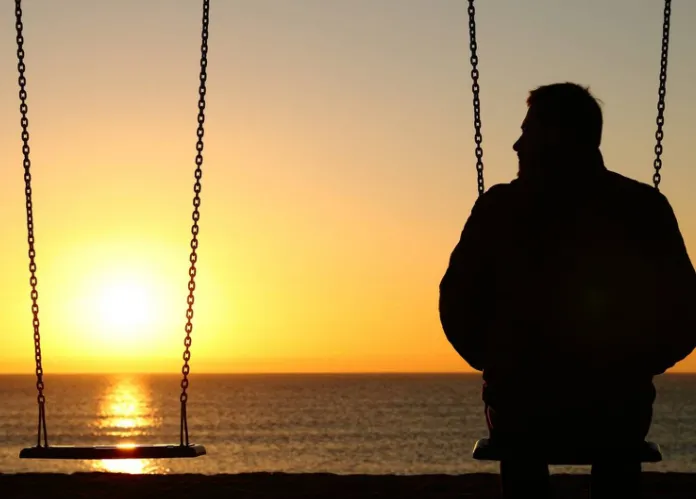
Another common sign is a reduction in shared time. Friends who once enjoyed spending time together may suddenly become unavailable more often.
They might frequently cancel plans, postpone meetings, or say they are too busy.
While everyone goes through busy periods, repeated cancellations without attempts to reschedule can signal a deeper issue.
According to social psychology, people naturally prioritize relationships that feel important to them.
When someone repeatedly avoids making time for you, it may indicate that their emotional connection to the friendship is weakening.
Changes in emotional openness can also reveal distancing behavior.
In close friendships, people often share personal thoughts, worries, and life updates.
This emotional exchange helps strengthen trust and intimacy.
When a friend stops sharing their feelings or important events in their life, it may suggest that they are creating emotional distance.
They may begin keeping conversations more superficial, focusing only on small talk instead of deeper discussions.
Psychologists describe this as emotional withdrawal, a common defense mechanism people use when they are gradually detaching from a relationship.
Body language and tone can also provide subtle clues. When people feel comfortable and connected, their body language tends to be open and relaxed.
They maintain eye contact, smile naturally, and engage in active listening. If a friend begins showing signs of disinterest during conversations—such as frequently checking their phone, avoiding eye contact, or appearing distracted—it may reflect a shift in their emotional engagement.
While occasional distractions are normal, repeated patterns of disengagement can suggest that the person’s attention and emotional energy are moving elsewhere.
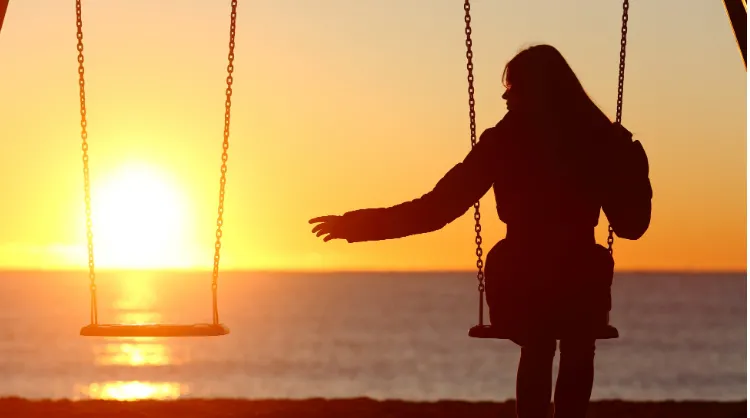
Another sign often mentioned in psychological discussions is reduced enthusiasm. A friend who once seemed excited to talk with you or spend time together may begin responding in a neutral or indifferent way.
For example, they might respond politely but without warmth or interest.
The energy in conversations may feel different, almost as if the connection that once existed is fading.
This change can sometimes be subtle at first, but over time it becomes more noticeable.
Social behavior changes can also reveal distancing. A friend who used to include you in social gatherings or group activities may start leaving you out.
You might notice that they are spending more time with other people while involving you less often.
This does not necessarily mean they dislike you, but it may indicate that their social priorities have shifted. Psychologists note that as people grow and change, their social circles sometimes evolve as well. However, consistently excluding someone who was previously close can be a sign of emotional separation.
Another indicator can be the absence of support during difficult moments.
True friendships often become stronger during challenging times because friends offer comfort, advice, or simply a listening ear.
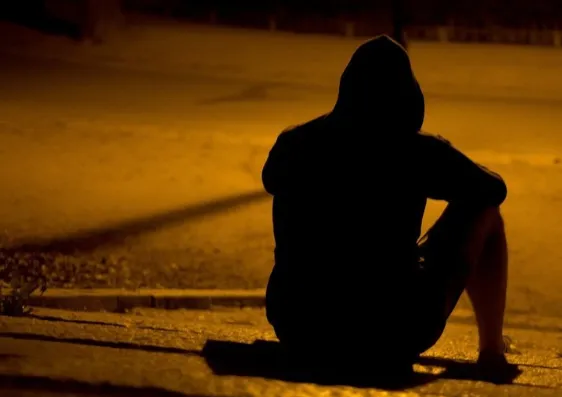
If a friend who once provided support suddenly becomes distant or uninterested when you share problems, it may indicate a weakening emotional bond.
Supportive behavior requires emotional investment, and when that investment declines, people may become less responsive to others’ needs.
Psychologists also emphasize that sometimes distancing occurs because a person is dealing with personal struggles rather than intentionally ending a friendship. Stress, mental health challenges, major life changes, or personal conflicts can cause individuals to withdraw socially.
In these cases, the distance may not be about the friendship itself but about the person’s internal struggles.
Understanding this possibility is important because it encourages empathy rather than immediate assumptions.
It is also worth noting that some friendships naturally evolve as people move through different stages of life.
Careers, family responsibilities, relocation, or changing priorities can shift how much time and energy people can devote to certain relationships.
In these situations, the distance may not reflect a negative feeling toward the friendship but simply a natural change in life circumstances.
If you notice signs that a friend may be distancing themselves, psychologists recommend approaching the situation calmly and openly. Honest communication can often clarify misunderstandings. Asking how they are feeling or whether something has changed can provide an opportunity for both people to express their perspectives. In some cases, a simple conversation can help rebuild the connection or at least provide closure.
However, it is also important to respect boundaries. If someone clearly chooses to step back from a friendship, forcing the relationship may only create more tension. Healthy relationships require mutual effort. When one person is no longer willing to invest in the connection, it may be healthier to accept the change and focus on relationships that provide mutual respect and support.
Ultimately, friendships are dynamic and can change over time. Recognizing the psychological signs of distancing—such as reduced communication, decreased emotional openness, lack of enthusiasm, and fewer shared experiences—can help people better understand what may be happening in their relationships. While it can be painful to feel a friendship fading, it can also open space for personal growth and new connections that align more closely with where you are in life.