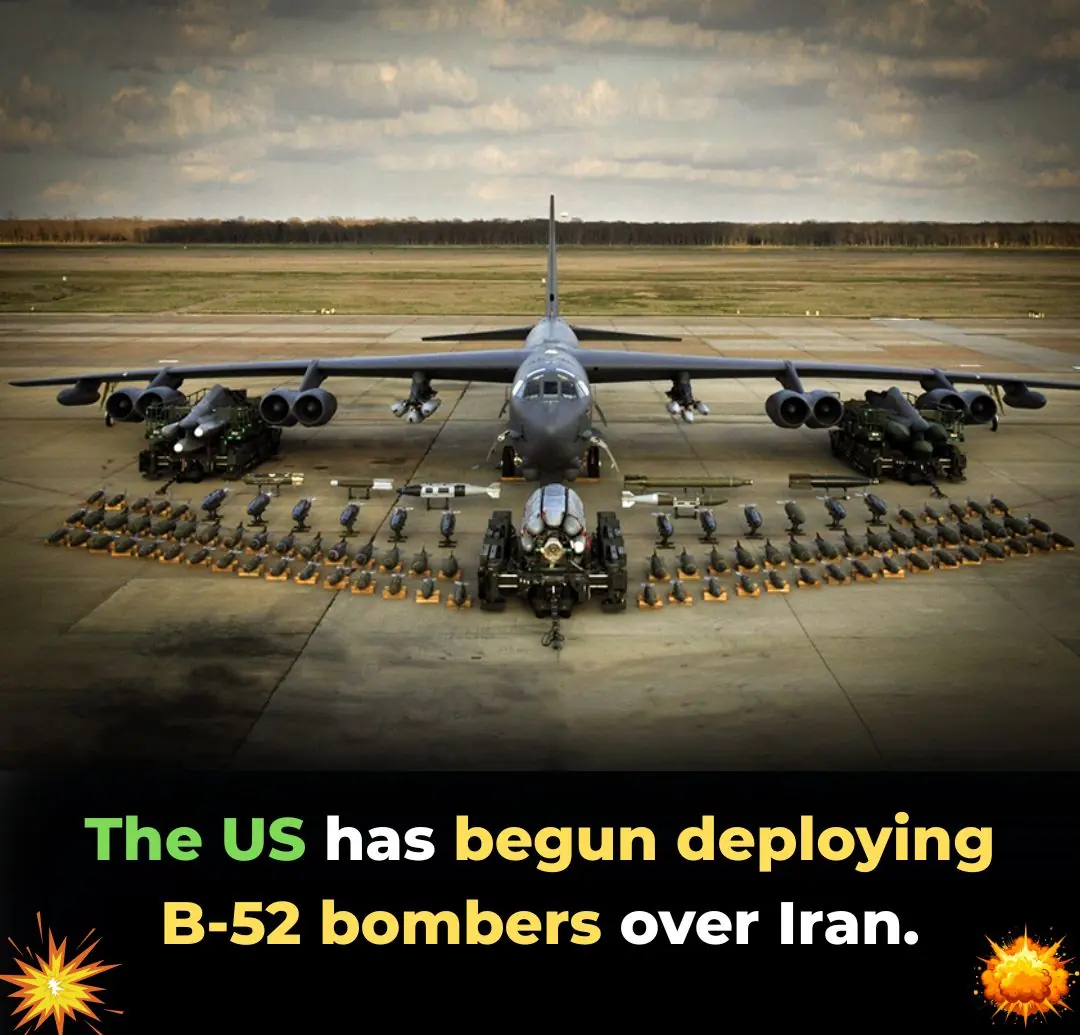
US Deploys B-52 Bombers Over Iran as Military Shifts to 'Dynamic Targets'
News 01/04/2026 10:24
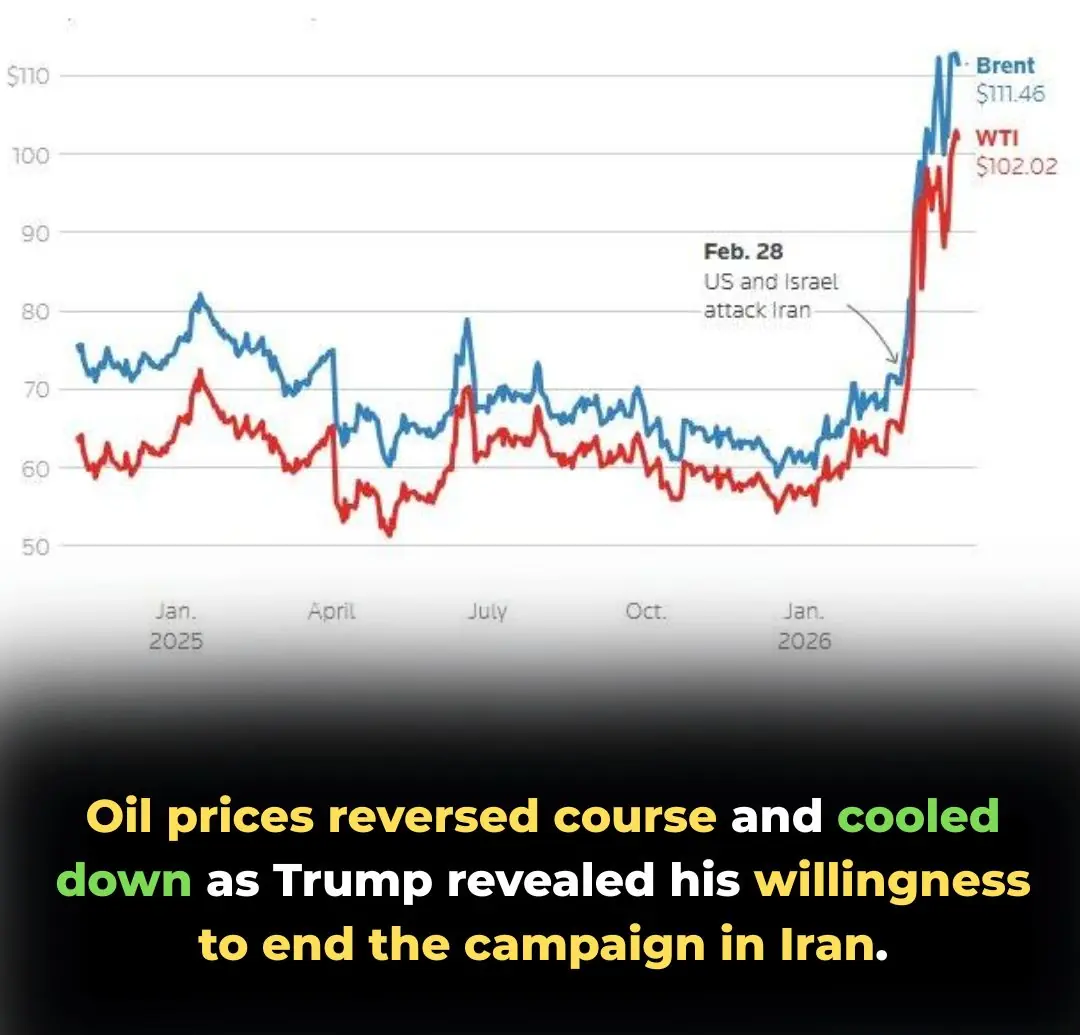
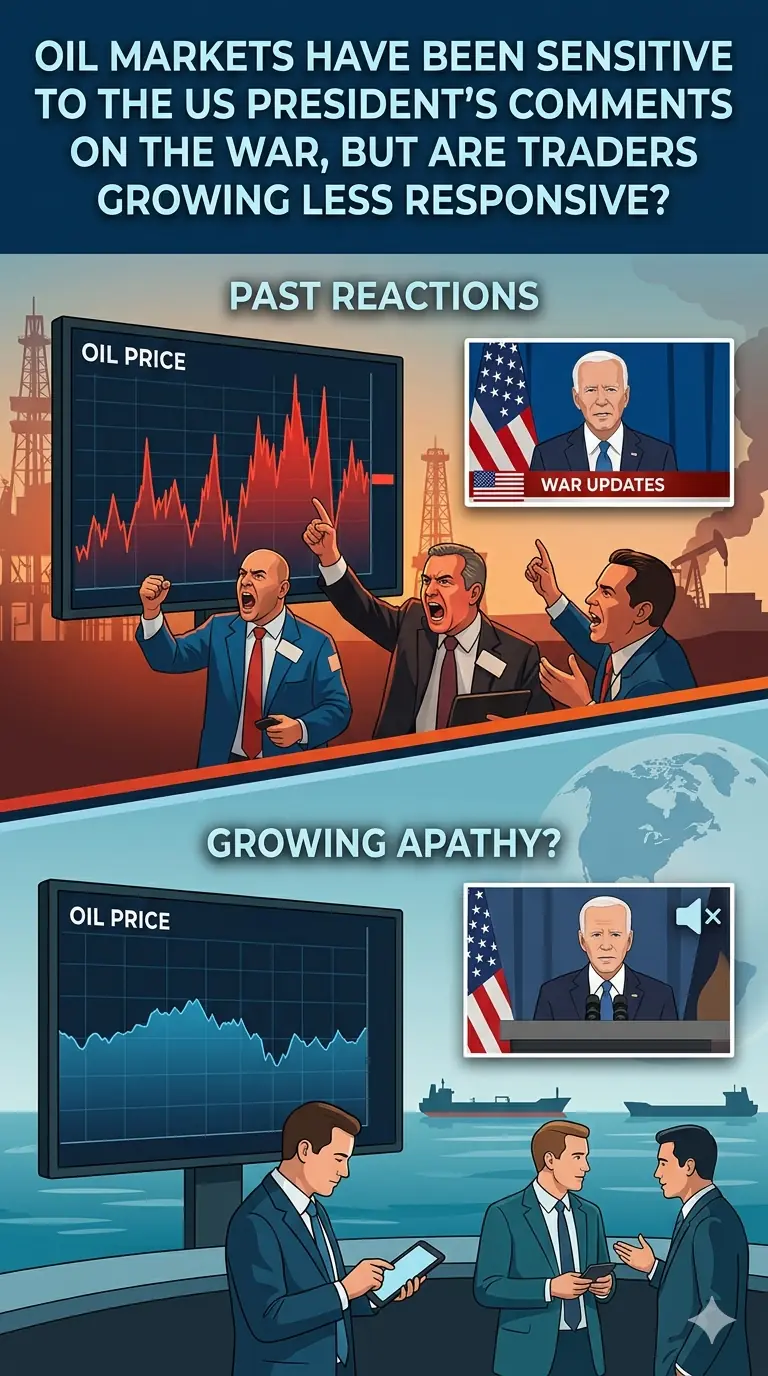
The volatile global energy market witnessed a sudden shift this week. After weeks of soaring prices driven by geopolitical tensions, crude oil prices have begun to "cool down" following surprising remarks from U.S. President Donald Trump regarding the future of military operations in Iran. Investors are now recalibrating their positions as the prospect of de-escalation enters the frame.
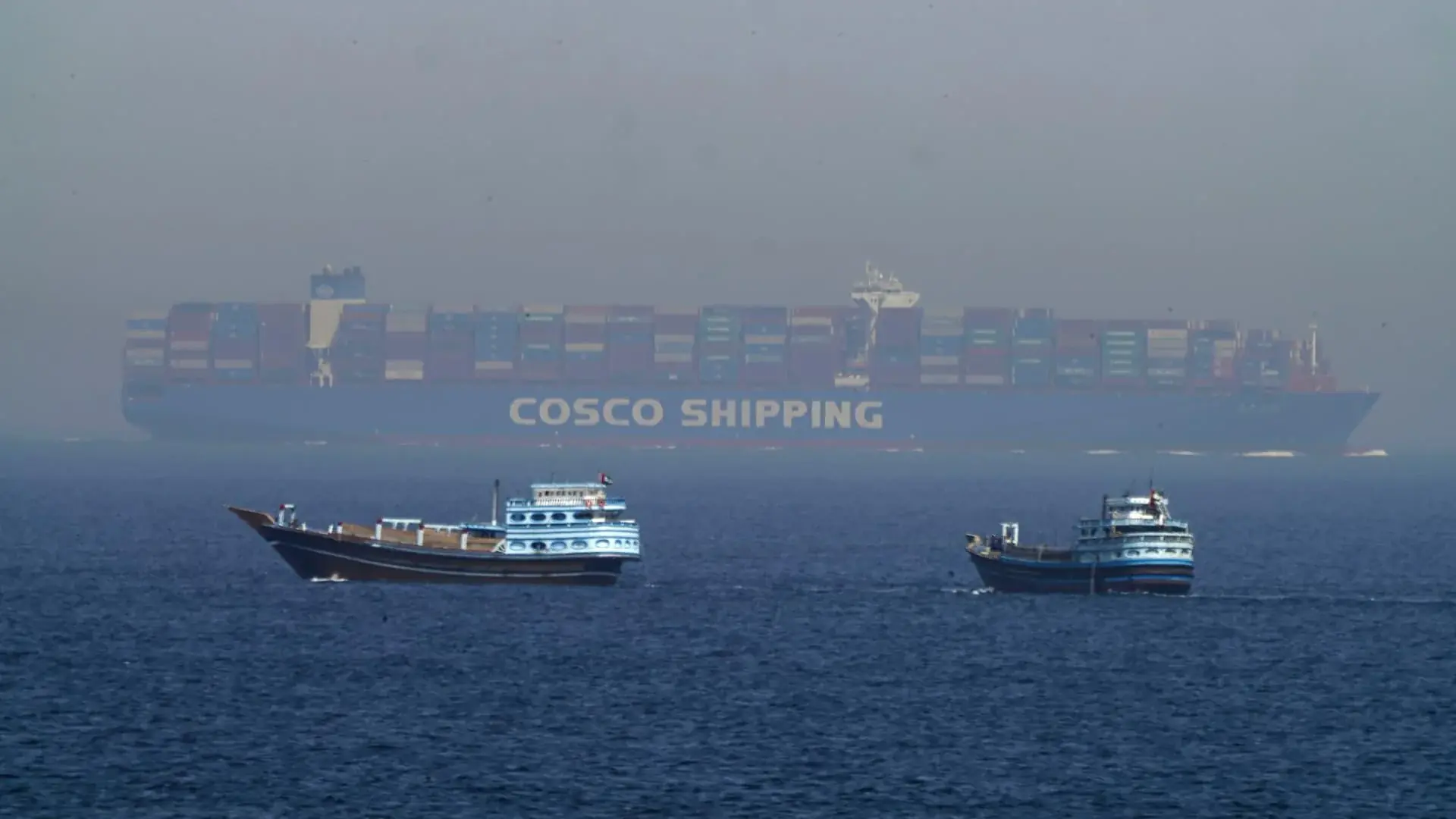
For much of March 2026, the energy sector remained in a state of high alert. Brent crude and WTI had been trading at multi-year highs, fueled by fears of a total blockade of the Strait of Hormuz and damage to critical energy infrastructure. However, the narrative shifted abruptly on March 31, 2026.
According to market data, oil prices began to "reverse gear" shortly after news broke that the U.S. administration might be looking for an exit strategy. Brent crude, which had hovered near $115–$120 per barrel, saw a noticeable dip toward the $104–$107 range as speculators reacted to the cooling rhetoric from the White House.
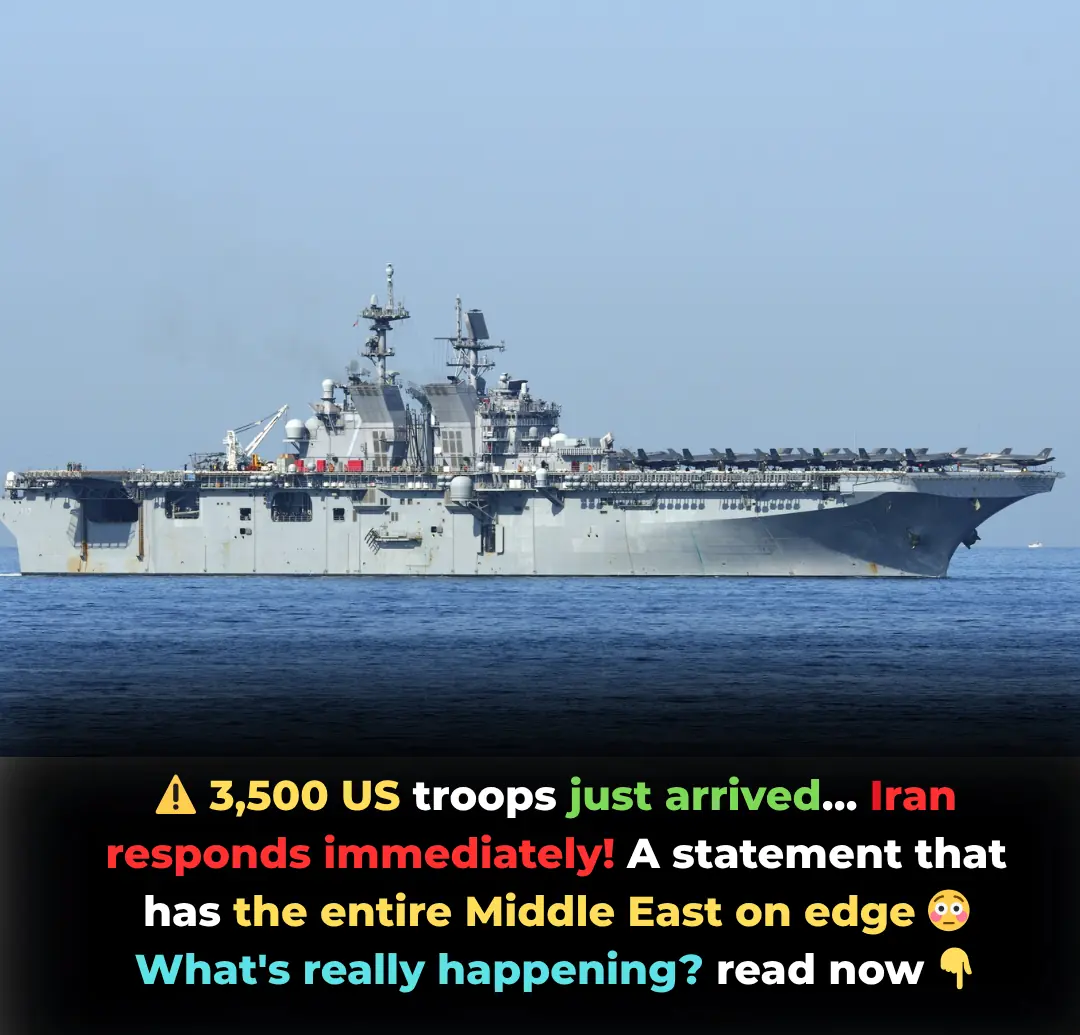
The primary catalyst for this market pivot was a series of statements made by Donald Trump. During interviews and social media posts, the President suggested that the military objectives in Iran were nearing completion, stating that Iran had been "essentially decimated" and that U.S. forces would not be there "for too much longer."
Willingness to Withdraw: Trump indicated a readiness to end the active "destruction phase" of energy plants, even offering a 10-day pause to negotiate.
Allied Responsibility: In a move typical of his "America First" stance, he urged allies (particularly in Europe) to take over the responsibility of securing their own oil routes, famously telling them to "Go get your own oil!"
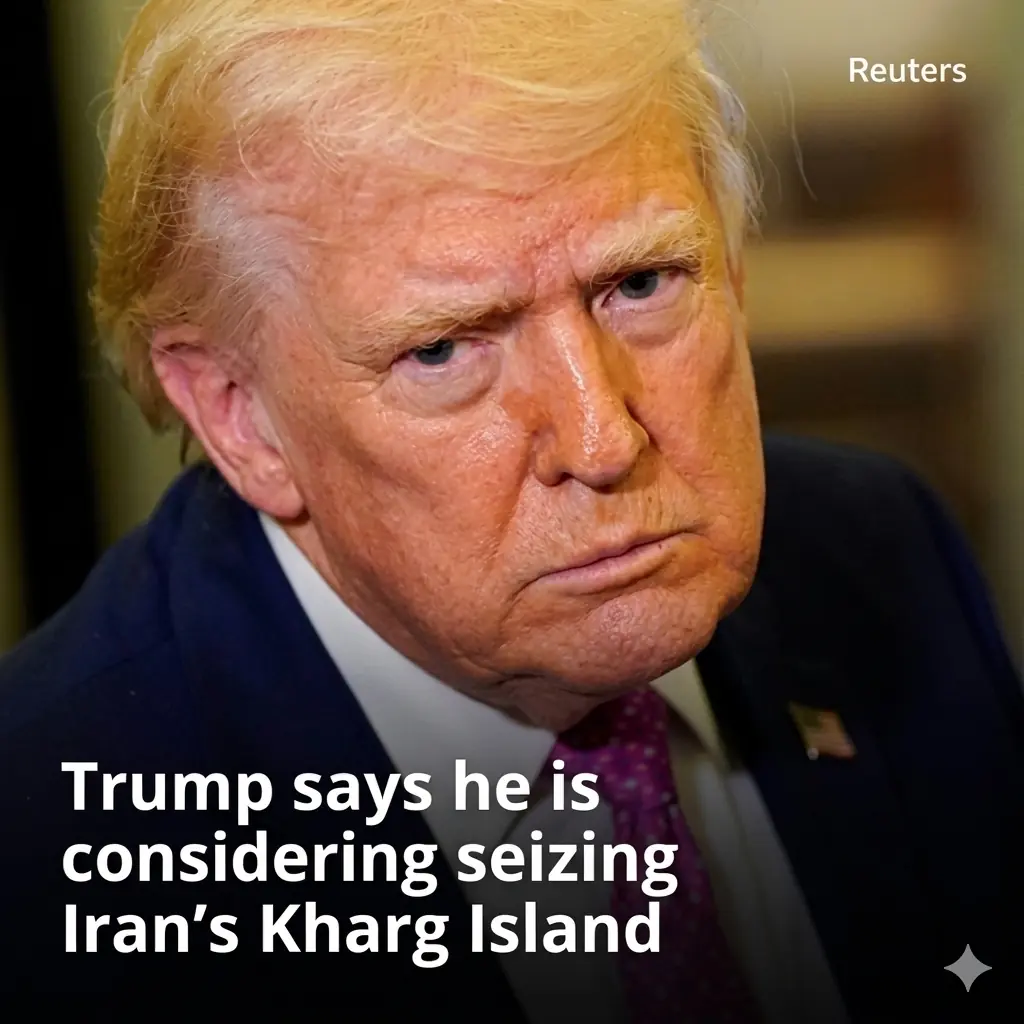
The "Take the Oil" Strategy: Despite the talk of withdrawal, Trump hinted at a long-term interest in controlling Iranian export hubs like Kharg Island to ensure global supply stability under U.S. oversight.
Markets hate uncertainty, but they fear prolonged conflict even more. The cooling of prices reflects a "sigh of relief" among traders for several reasons:
De-escalation Premium: The "war premium" that had added $20–$30 to every barrel is starting to erode as the threat of a wider, multi-year regional war diminishes.
Strategic Reserves and Alternatives: With the U.S. being a leading producer, Trump’s confidence suggests that domestic supply and strategic releases might be enough to bridge the gap if Iranian exports remain sanctioned but the "shooting war" stops.
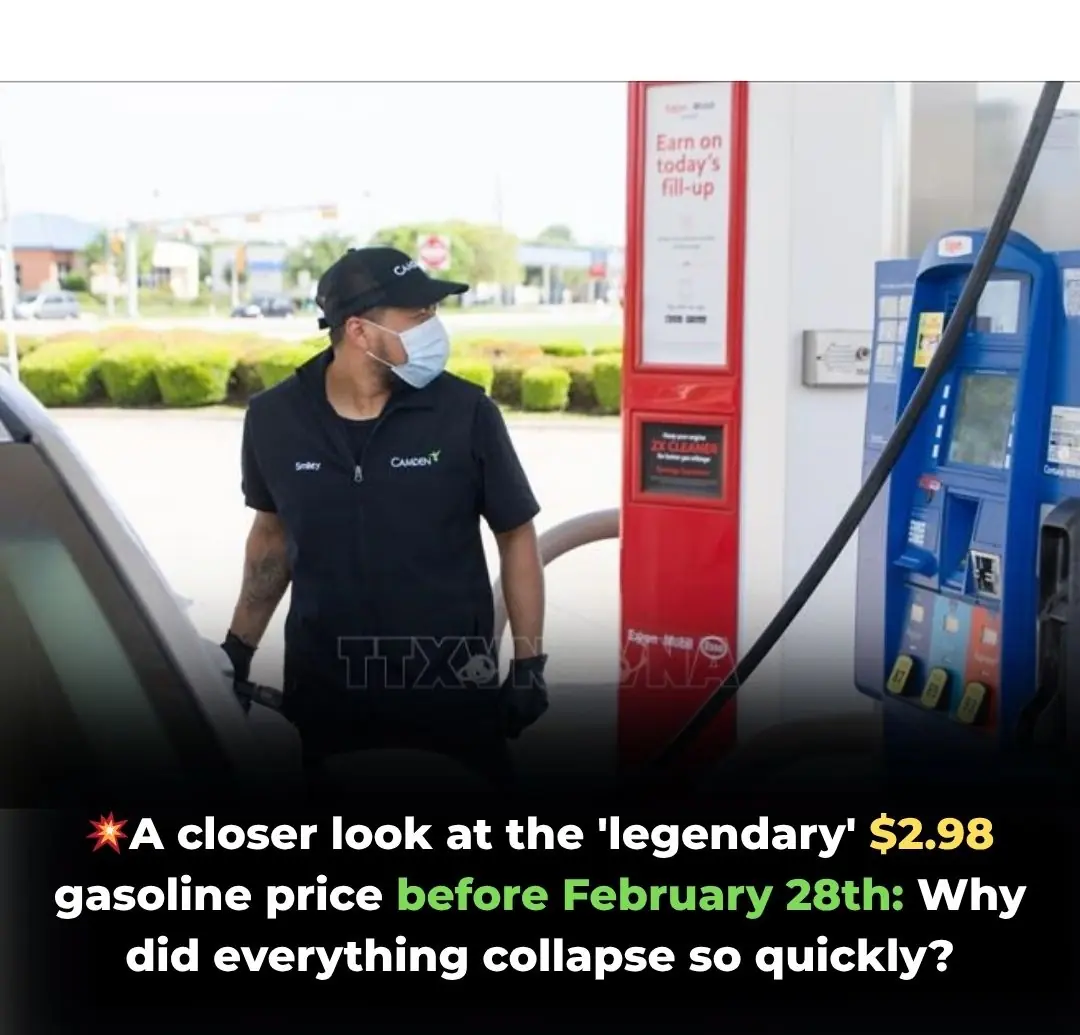
Economic Pressure: With U.S. gas prices crossing the $4.00 per gallon mark, the political pressure on the administration to stabilize the market ahead of the 2026 midterm elections is immense.
While the initial reaction to Trump's comments is positive for consumers, energy analysts warn that a full return to "normalcy" is still far off.
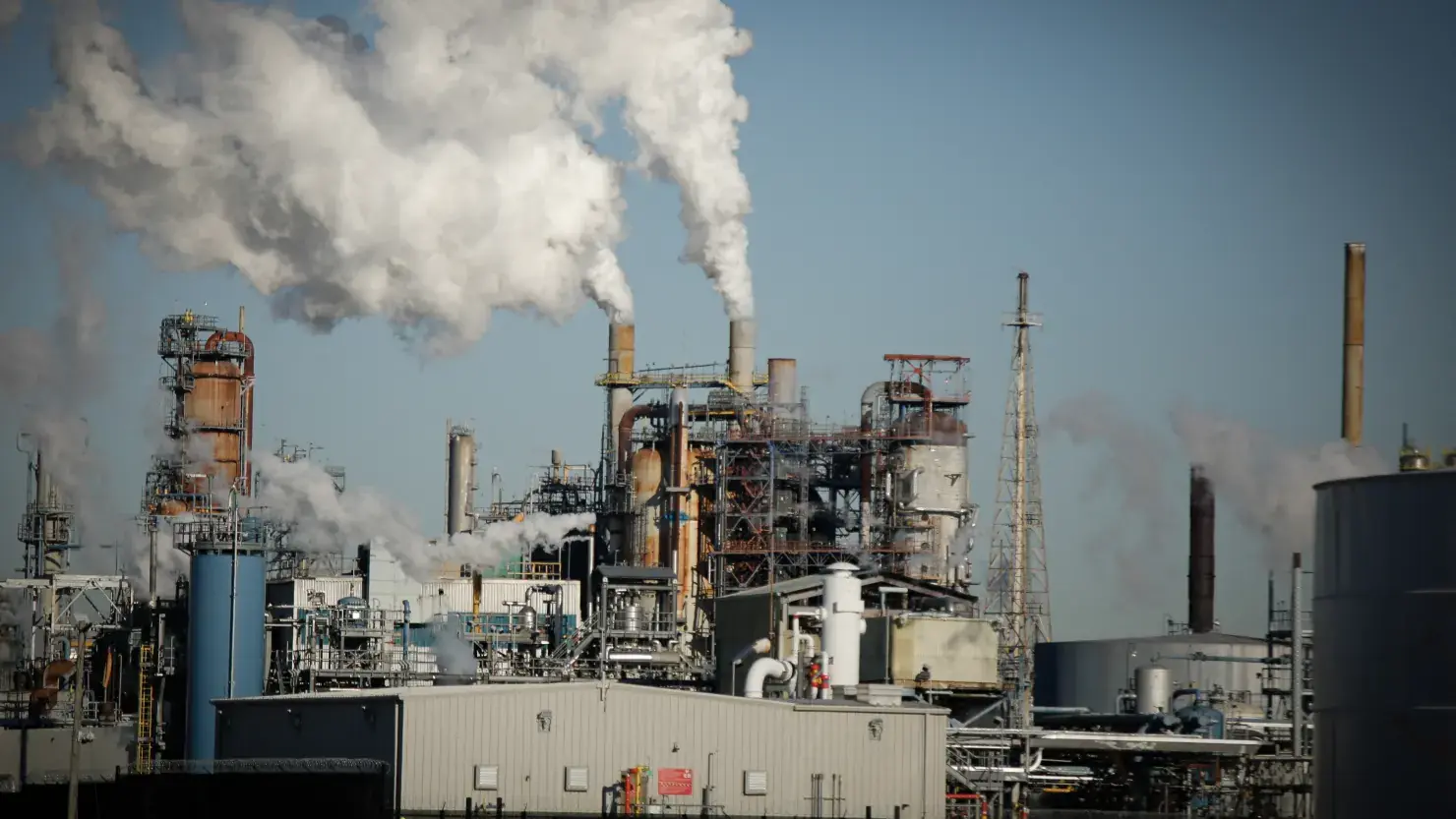
Even if a ceasefire is reached, the physical damage to Iranian and regional energy infrastructure is significant. Experts at the International Energy Agency (IEA) note that restoring capacity at refineries and export terminals will take months, if not years.
The Strait remains a "choke point." If the U.S. withdraws without a clear security framework in place, the risk of asymmetric attacks by militias or remaining Iranian naval units keeps the "risk at sea" high, maintaining a floor under how far prices can actually fall.
For those looking at the 2026 energy market, the "Trump Factor" remains the single largest variable.
Short-term: Expect high volatility. Every tweet or "leak" regarding the April 6 deadline for a deal will cause $2–$5 swings in daily trading.
Long-term: The focus will shift from "supply disruption" to "reconstruction and redistribution." If the U.S. successfully pivots to a democratic or controlled Iranian oil model, we could see a massive "trillion-dollar opportunity" for Western energy firms.
The reversal in oil prices provides a much-needed breather for a global economy struggling with inflation. President Trump’s signaling of a potential end to the Iran campaign has successfully punctured the "fear bubble" in the commodities market. However, until a formal deal is signed and the Strait of Hormuz is declared safe for all commercial transit, the "cooling" of oil prices remains fragile.