South Korean Scientists Reprogram Cancer Cells Back to Health — No Chemotherapy Required
In a groundbreaking discovery, researchers in South Korea have unveiled an astonishing method to reprogram cancer cells into healthy tissue, eliminating the need for traditional treatments like chemotherapy, radiation, or surgery. This breakthrough opens the door to a new era in cancer treatment, where therapies may be more targeted, less invasive, and have far fewer side effects.
The Role of Artificial Intelligence in Cancer Research
At the heart of this innovation is the use of a cutting-edge artificial intelligence (AI) system called BENEIN, developed by scientists at the Korea Advanced Institute of Science and Technology (KAIST). By leveraging this AI, the team was able to map out the intricate genetic wiring of cancer cells. Through this analysis, they identified three critical genes—MYB, HDAC2, and FOXA2—that serve as “master switches” in cancer development.
These genes play a vital role in regulating the behavior of cancer cells. By silencing all three of these genes, the scientists did not merely slow the growth of the cancer; they successfully transformed malignant tumor cells into normal, healthy intestinal cells. This represents a monumental shift in the way we approach cancer treatment, moving away from traditional methods focused on destroying cancer cells to a more restorative approach that aims to repair them.
Encouraging Results in Animal Models
The new approach has shown remarkable promise in preclinical animal studies. In experiments with mice, tumors treated with this AI-driven method shrank by an impressive 70%. Under the microscope, the tissue that had previously been cancerous began to resemble healthy tissue, no longer displaying the abnormal features associated with cancer. This dramatic change suggests that genetic reprogramming could be a viable therapeutic option in the future, significantly altering the trajectory of cancer care.
Such findings are not only encouraging but also point to the possibility of a future where cancer treatment is less invasive and more personalized. Unlike conventional therapies, which can be harsh and indiscriminate, this method targets only the cancerous cells, offering a more refined and less damaging alternative.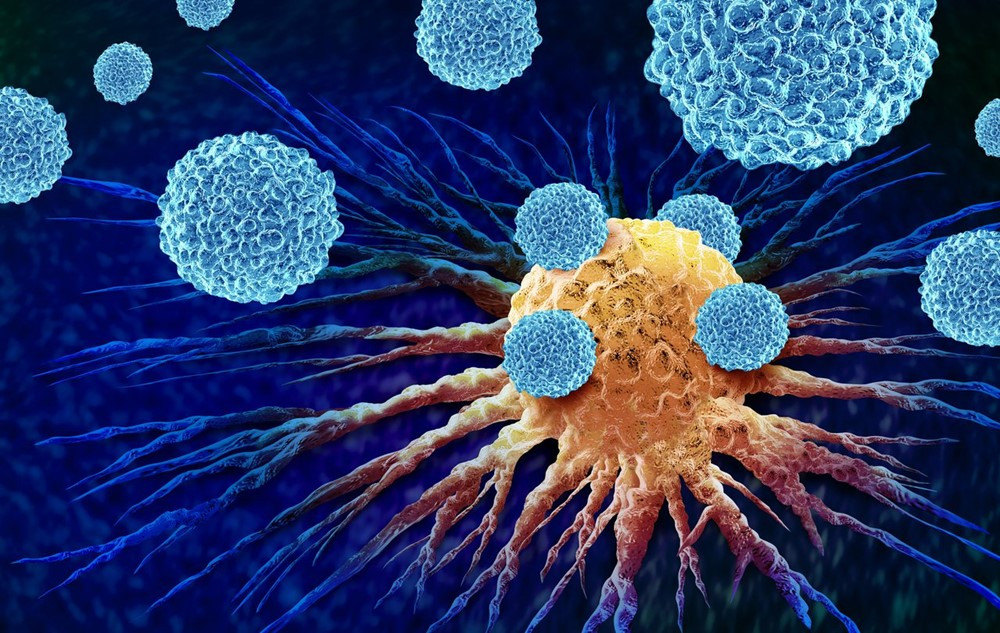
The Significance of the Discovery
The implications of this discovery are profound. First, it offers the possibility of eliminating the need for chemotherapy and radiation, both of which come with toxic side effects that can severely affect a patient’s quality of life. These treatments are known to cause a range of adverse reactions, including fatigue, nausea, hair loss, and immune suppression. With the new genetic reprogramming approach, patients may be able to avoid these debilitating side effects entirely.
Furthermore, the reprogramming of cancer cells opens up new possibilities for gentler, more targeted therapies. Traditional cancer treatments, while effective in some cases, are often broad and affect both cancerous and healthy cells, leading to collateral damage in the body. In contrast, by reprogramming only the cancer cells, the treatment could potentially avoid harming healthy tissue, increasing the overall efficacy and reducing unwanted side effects.
This method could also lead to lower healthcare costs. Chemotherapy, radiation, and surgery are expensive, and the long-term care needed to manage their side effects can significantly raise the overall cost of cancer treatment. With a more targeted approach that focuses on repairing the cancer cells, the overall burden on patients and healthcare systems could be reduced, making treatment more accessible to a wider range of individuals.
Moreover, this research represents a paradigm shift in the way we view cancer treatment. The focus is no longer solely on eradicating cancer cells through aggressive methods, but rather on repairing and restoring the body’s natural health. This change in perspective could lead to the development of therapies that are not only more effective but also more in tune with the body’s ability to heal itself.
Next Steps and Future Potential
While the results in animal models are promising, this research is still in its early stages. The next step will involve clinical trials on humans to assess the safety and effectiveness of this approach. It will also be important to test whether this method can be applied to different types of cancer, as each cancer type has a distinct genetic profile and may respond differently to this reprogramming technique.
Additionally, the role of AI in cancer treatment is still being explored. The potential for AI to assist in diagnosing and tailoring personalized treatments for cancer patients is vast. With further advancements in machine learning and genomics, we may see AI systems become essential tools in the development of precision medicine, where treatments are customized to the genetic makeup of each patient.
Sources and Further Reading
This breakthrough was published in the 2025 edition of Advanced Science, under the title Control of Cellular Differentiation Trajectories for Cancer Reversion (DOI: 10.1002/advs.202402132). The study has sparked significant interest within the scientific community and is expected to be widely discussed at major oncology and biotechnology conferences in the coming years. It has also been referenced by other top-tier journals like Nature Cancer and The Lancet Oncology, which have both highlighted the significance of AI in cancer research.
For more information on AI’s growing role in healthcare, refer to research published by reputable organizations like the National Institutes of Health (NIH) and the American Cancer Society (ACS). Both organizations have been instrumental in advancing cancer research and are continually exploring new methods for treatment, including genetic therapies and AI applications in healthcare.
Conclusion
The discovery made by South Korean scientists is a monumental leap forward in the quest for more effective and less invasive cancer treatments. By harnessing the power of AI and genetic reprogramming, the researchers have not only made strides in understanding cancer at a molecular level but have also created a new potential treatment strategy that could revolutionize cancer care. As this research progresses, it is likely to pave the way for a future where cancer can be treated more gently, more effectively, and with fewer side effects, offering hope for millions of patients worldwide.